

Environments
Discover our products in a real-life context and find the inspiration you need.
Immerse yourself in a unique experience where you can explore our designer products in a real-life setting. Visualize how they fit into your home and discover their versatility. Be inspired by the different options and find the furniture that best suits your tastes and needs.
Explore, imagine and create your ideal home.
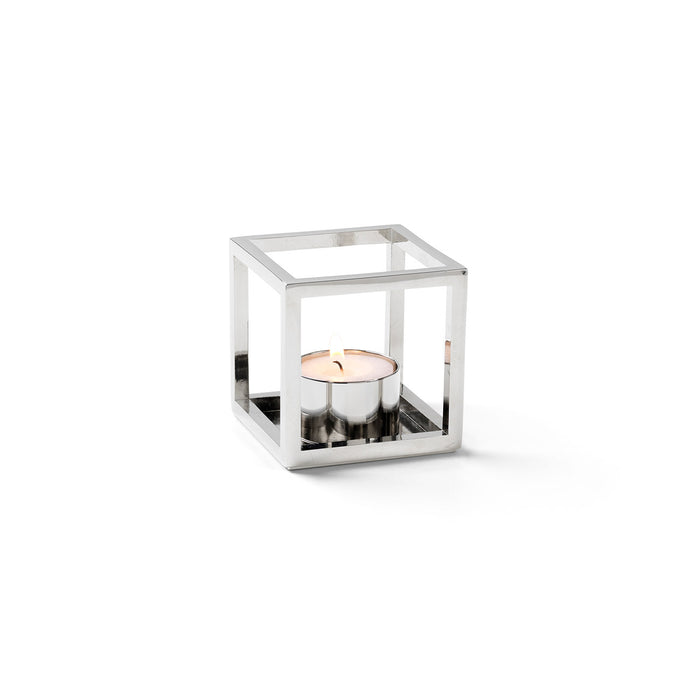

Kubus T Nickel Candle Holder
The KUBUS T candle holder has been an icon of Danish design since its creation in 1962 by architect Mogens Lassen. Its simple and elegant design, featuring a metal cube on a pedestal, makes it a perfect addition to any home.
The KUBUS T candle holder is a versatile piece that can be used for a variety of occasions. It's perfect for a romantic dinner, a movie night, or simply enjoying a cup of coffee in the morning.
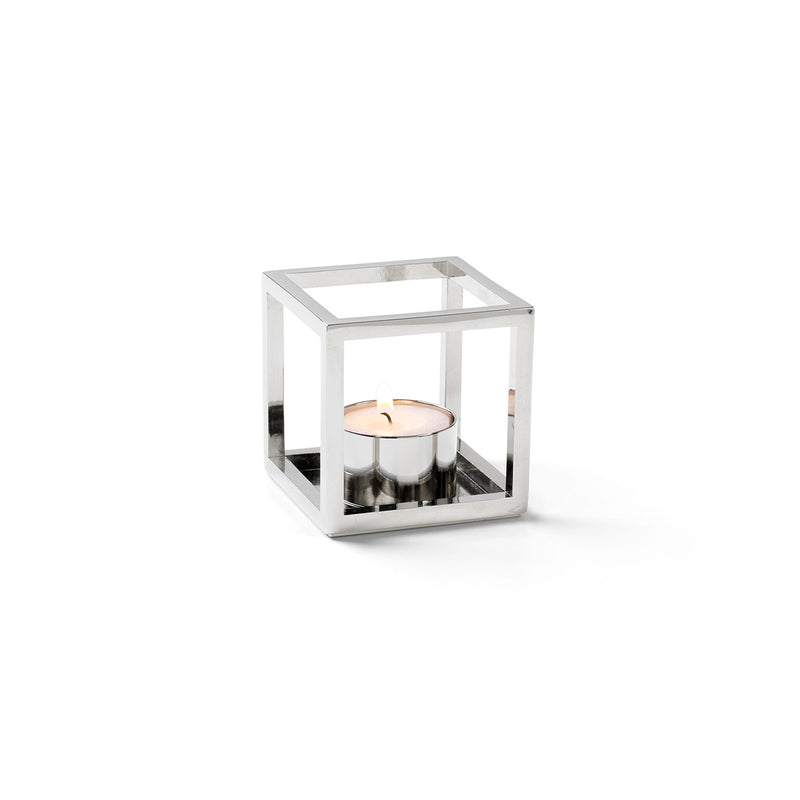
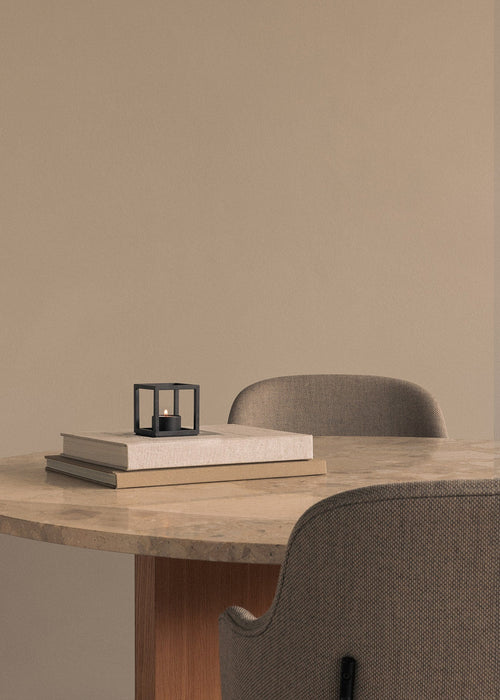
Kubus T Nickel Candle Holder
The KUBUS T candle holder has been an icon of Danish design since its creation in 1962 by architect Mogens Lassen. Its simple and elegant design, featuring a metal cube on a pedestal, makes it a perfect addition to any home.
The KUBUS T candle holder is a versatile piece that can be used for a variety of occasions. It's perfect for a romantic dinner, a movie night, or simply enjoying a cup of coffee in the morning.
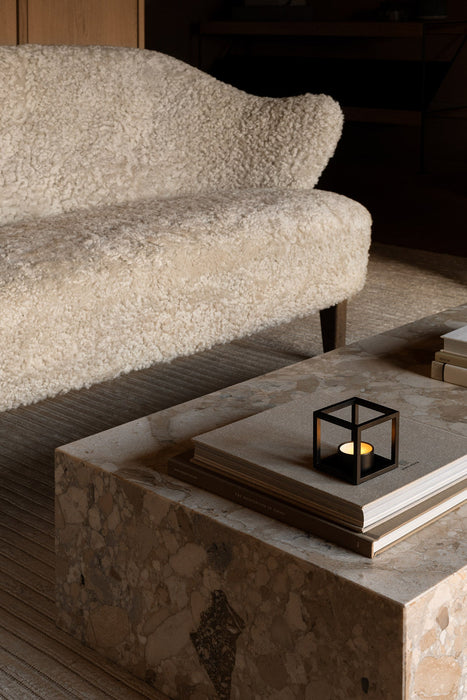
Kubus T Nickel Candle Holder
The KUBUS T candle holder has been an icon of Danish design since its creation in 1962 by architect Mogens Lassen. Its simple and elegant design, featuring a metal cube on a pedestal, makes it a perfect addition to any home.
The KUBUS T candle holder is a versatile piece that can be used for a variety of occasions. It's perfect for a romantic dinner, a movie night, or simply enjoying a cup of coffee in the morning.
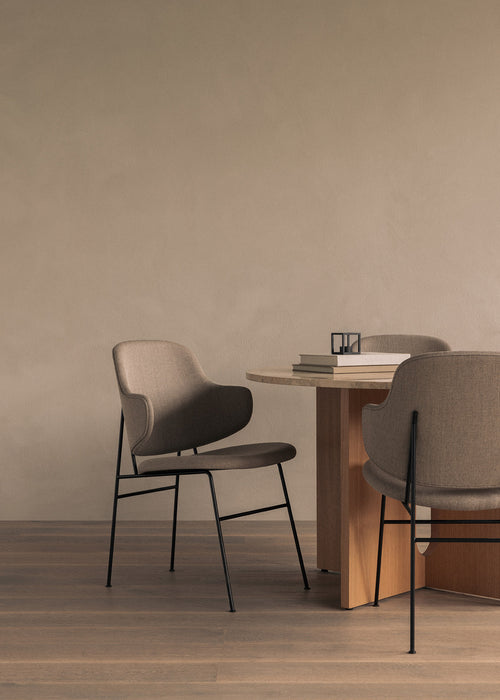
Kubus T Nickel Candle Holder
The KUBUS T candle holder has been an icon of Danish design since its creation in 1962 by architect Mogens Lassen. Its simple and elegant design, featuring a metal cube on a pedestal, makes it a perfect addition to any home.
The KUBUS T candle holder is a versatile piece that can be used for a variety of occasions. It's perfect for a romantic dinner, a movie night, or simply enjoying a cup of coffee in the morning.
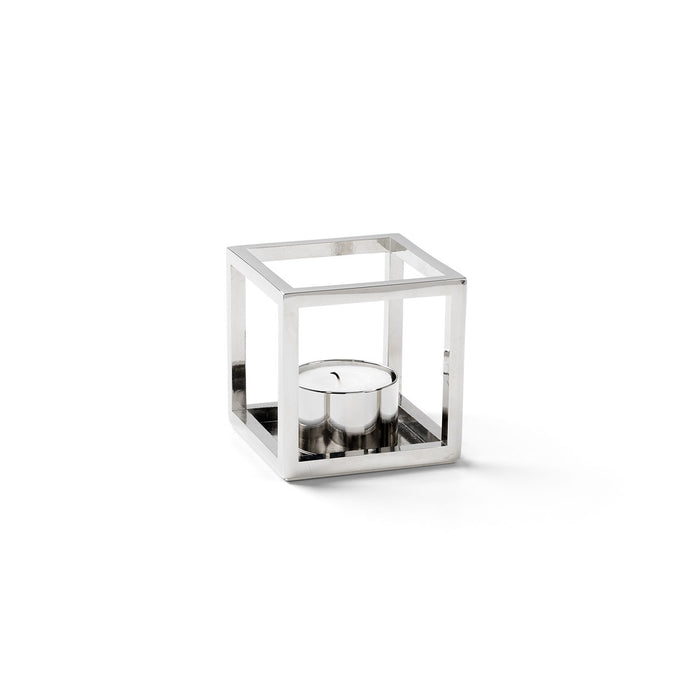
Kubus T Nickel Candle Holder
The KUBUS T candle holder has been an icon of Danish design since its creation in 1962 by architect Mogens Lassen. Its simple and elegant design, featuring a metal cube on a pedestal, makes it a perfect addition to any home.
The KUBUS T candle holder is a versatile piece that can be used for a variety of occasions. It's perfect for a romantic dinner, a movie night, or simply enjoying a cup of coffee in the morning.
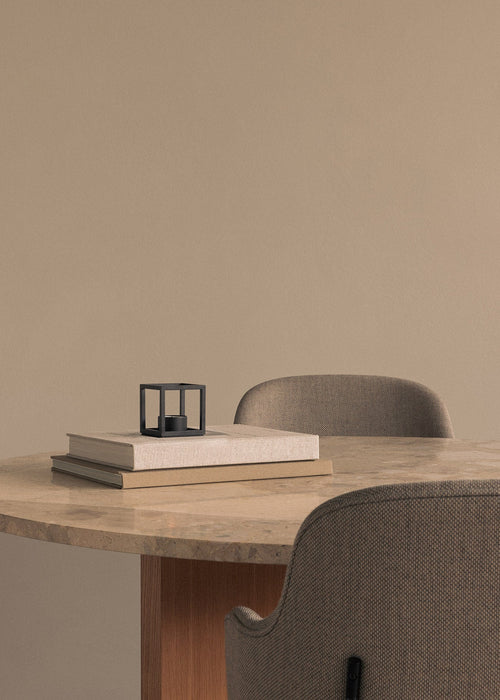
Kubus T Nickel Candle Holder
The KUBUS T candle holder has been an icon of Danish design since its creation in 1962 by architect Mogens Lassen. Its simple and elegant design, featuring a metal cube on a pedestal, makes it a perfect addition to any home.
The KUBUS T candle holder is a versatile piece that can be used for a variety of occasions. It's perfect for a romantic dinner, a movie night, or simply enjoying a cup of coffee in the morning.
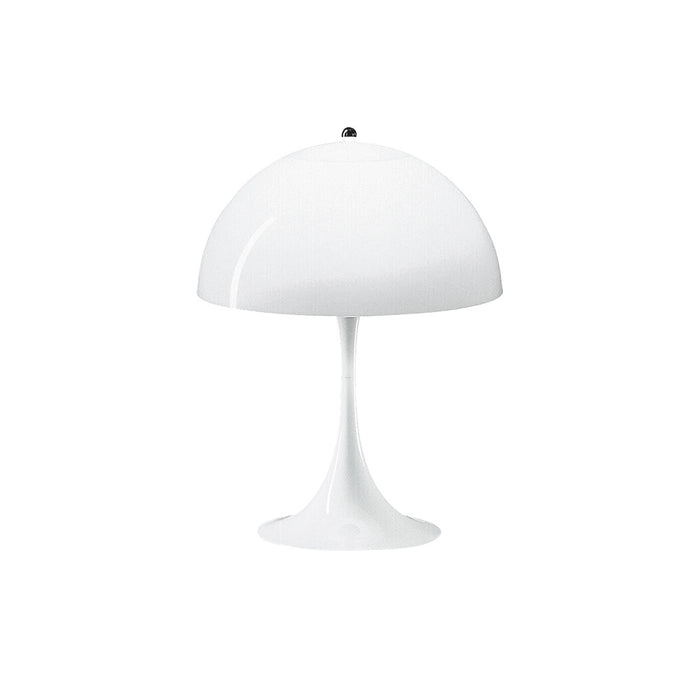

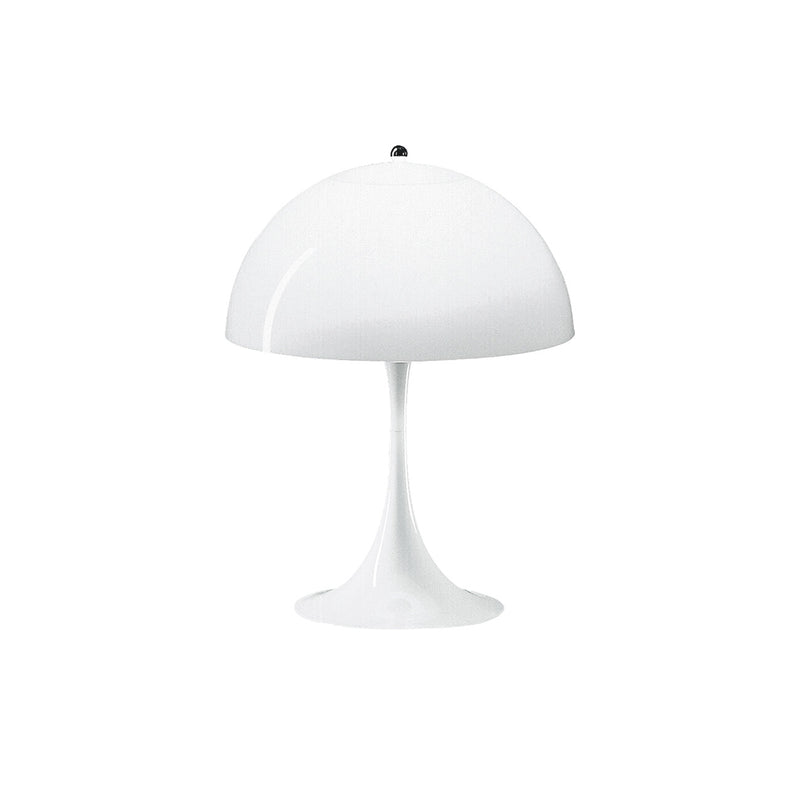
Panthella 400 table lamp
With its unique expression, the Panthella lamp is one of Verner Panton's most recognizable design icons. Designed in 1971 with the Danish designer's signature organic forms, it features a unique expression in which both the base and the shade serve as reflectors. Combined with the opal white color, this makes it not only a piece of great beauty but also functional, providing a pleasantly diffused and reflected light. The Panthella 400 Table Lamp is a popular choice, with its opal white color combination and 400 mm diameter shade.
*This product is usually in stock and can be delivered within 5 to 7 days. Occasionally, delivery may take several weeks. If this is the case, we will notify you immediately.

Panthella 400 table lamp
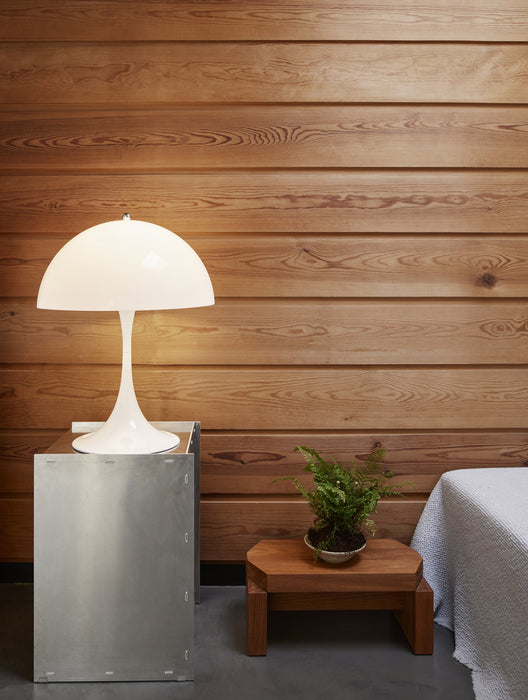
With its unique expression, the Panthella lamp is one of Verner Panton's most recognizable design icons. Designed in 1971 with the Danish designer's signature organic forms, it features a unique expression in which both the base and the shade serve as reflectors. Combined with the opal white color, this makes it not only a piece of great beauty but also functional, providing a pleasantly diffused and reflected light. The Panthella 400 Table Lamp is a popular choice, with its opal white color combination and 400 mm diameter shade.
*This product is usually in stock and can be delivered within 5 to 7 days. Occasionally, delivery may take several weeks. If this is the case, we will notify you immediately.
Panthella 400 table lamp
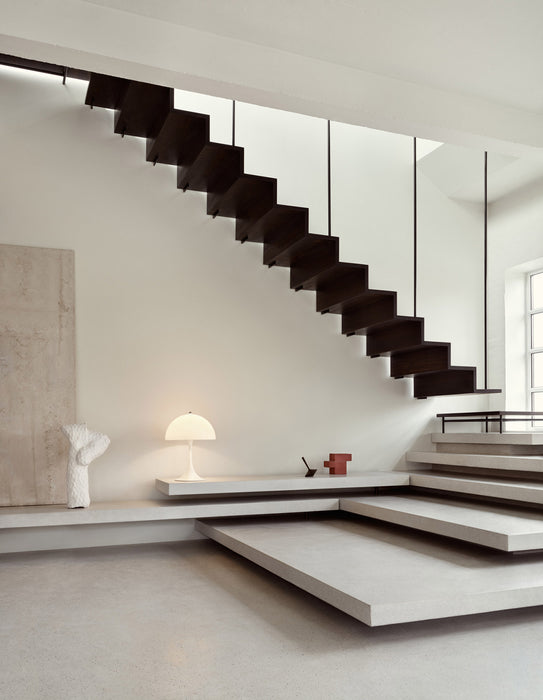
With its unique expression, the Panthella lamp is one of Verner Panton's most recognizable design icons. Designed in 1971 with the Danish designer's signature organic forms, it features a unique expression in which both the base and the shade serve as reflectors. Combined with the opal white color, this makes it not only a piece of great beauty but also functional, providing a pleasantly diffused and reflected light. The Panthella 400 Table Lamp is a popular choice, with its opal white color combination and 400 mm diameter shade.
*This product is usually in stock and can be delivered within 5 to 7 days. Occasionally, delivery may take several weeks. If this is the case, we will notify you immediately.

Panthella 400 table lamp
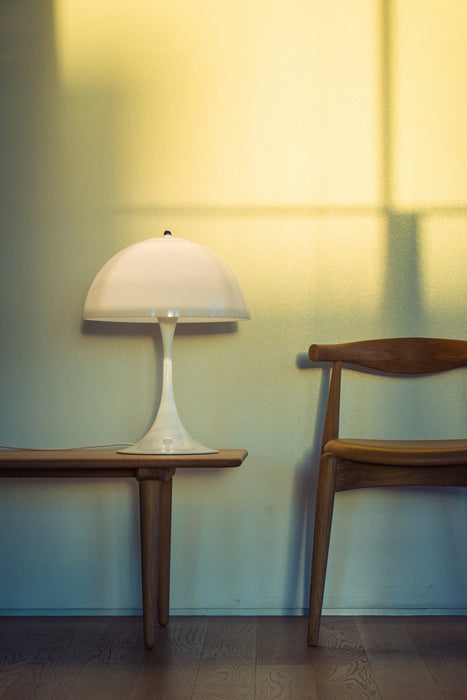
With its unique expression, the Panthella lamp is one of Verner Panton's most recognizable design icons. Designed in 1971 with the Danish designer's signature organic forms, it features a unique expression in which both the base and the shade serve as reflectors. Combined with the opal white color, this makes it not only a piece of great beauty but also functional, providing a pleasantly diffused and reflected light. The Panthella 400 Table Lamp is a popular choice, with its opal white color combination and 400 mm diameter shade.
*This product is usually in stock and can be delivered within 5 to 7 days. Occasionally, delivery may take several weeks. If this is the case, we will notify you immediately.
Panthella 400 table lamp
With its unique expression, the Panthella lamp is one of Verner Panton's most recognizable design icons. Designed in 1971 with the Danish designer's signature organic forms, it features a unique expression in which both the base and the shade serve as reflectors. Combined with the opal white color, this makes it not only a piece of great beauty but also functional, providing a pleasantly diffused and reflected light. The Panthella 400 Table Lamp is a popular choice, with its opal white color combination and 400 mm diameter shade.
*This product is usually in stock and can be delivered within 5 to 7 days. Occasionally, delivery may take several weeks. If this is the case, we will notify you immediately.

Panthella 400 table lamp
With its unique expression, the Panthella lamp is one of Verner Panton's most recognizable design icons. Designed in 1971 with the Danish designer's signature organic forms, it features a unique expression in which both the base and the shade serve as reflectors. Combined with the opal white color, this makes it not only a piece of great beauty but also functional, providing a pleasantly diffused and reflected light. The Panthella 400 Table Lamp is a popular choice, with its opal white color combination and 400 mm diameter shade.
*This product is usually in stock and can be delivered within 5 to 7 days. Occasionally, delivery may take several weeks. If this is the case, we will notify you immediately.
Panthella 400 table lamp
With its unique expression, the Panthella lamp is one of Verner Panton's most recognizable design icons. Designed in 1971 with the Danish designer's signature organic forms, it features a unique expression in which both the base and the shade serve as reflectors. Combined with the opal white color, this makes it not only a piece of great beauty but also functional, providing a pleasantly diffused and reflected light. The Panthella 400 Table Lamp is a popular choice, with its opal white color combination and 400 mm diameter shade.
*This product is usually in stock and can be delivered within 5 to 7 days. Occasionally, delivery may take several weeks. If this is the case, we will notify you immediately.
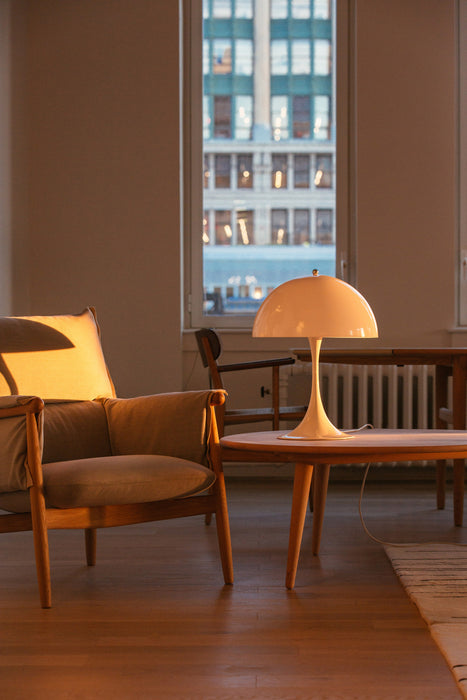
Panthella 400 table lamp
With its unique expression, the Panthella lamp is one of Verner Panton's most recognizable design icons. Designed in 1971 with the Danish designer's signature organic forms, it features a unique expression in which both the base and the shade serve as reflectors. Combined with the opal white color, this makes it not only a piece of great beauty but also functional, providing a pleasantly diffused and reflected light. The Panthella 400 Table Lamp is a popular choice, with its opal white color combination and 400 mm diameter shade.
*This product is usually in stock and can be delivered within 5 to 7 days. Occasionally, delivery may take several weeks. If this is the case, we will notify you immediately.
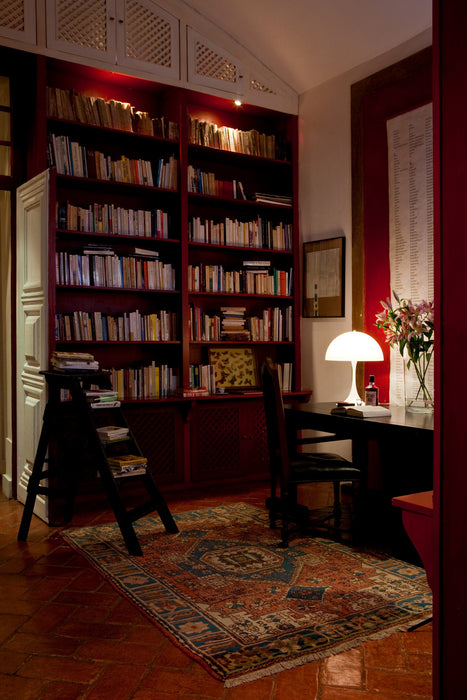
Panthella 400 table lamp
With its unique expression, the Panthella lamp is one of Verner Panton's most recognizable design icons. Designed in 1971 with the Danish designer's signature organic forms, it features a unique expression in which both the base and the shade serve as reflectors. Combined with the opal white color, this makes it not only a piece of great beauty but also functional, providing a pleasantly diffused and reflected light. The Panthella 400 Table Lamp is a popular choice, with its opal white color combination and 400 mm diameter shade.
*This product is usually in stock and can be delivered within 5 to 7 days. Occasionally, delivery may take several weeks. If this is the case, we will notify you immediately.
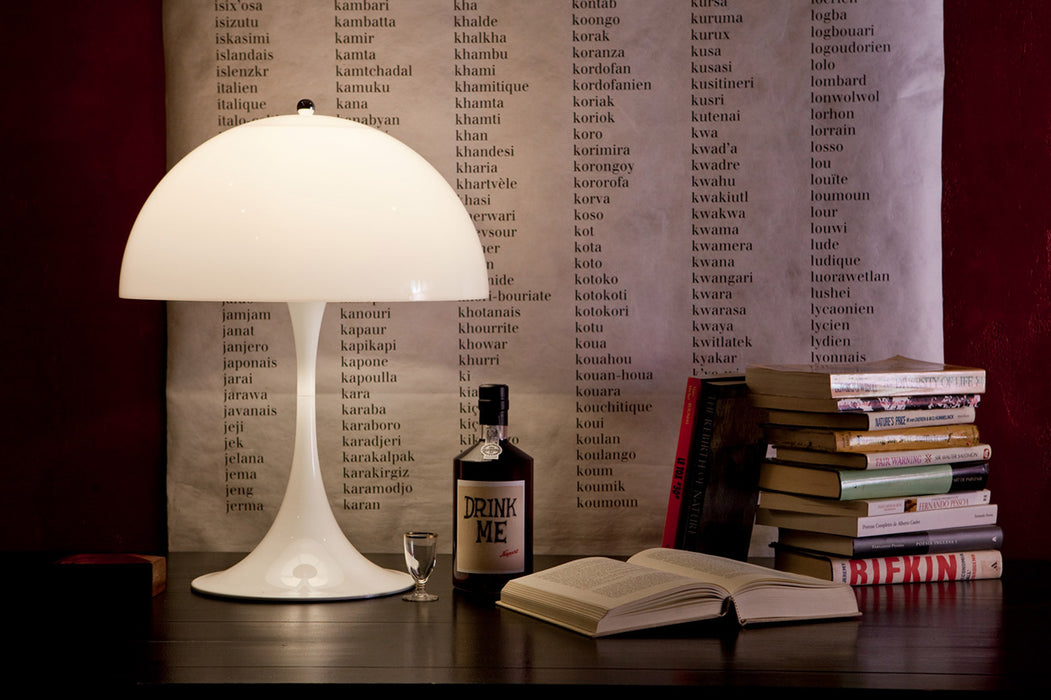
Panthella 400 table lamp
With its unique expression, the Panthella lamp is one of Verner Panton's most recognizable design icons. Designed in 1971 with the Danish designer's signature organic forms, it features a unique expression in which both the base and the shade serve as reflectors. Combined with the opal white color, this makes it not only a piece of great beauty but also functional, providing a pleasantly diffused and reflected light. The Panthella 400 Table Lamp is a popular choice, with its opal white color combination and 400 mm diameter shade.
*This product is usually in stock and can be delivered within 5 to 7 days. Occasionally, delivery may take several weeks. If this is the case, we will notify you immediately.

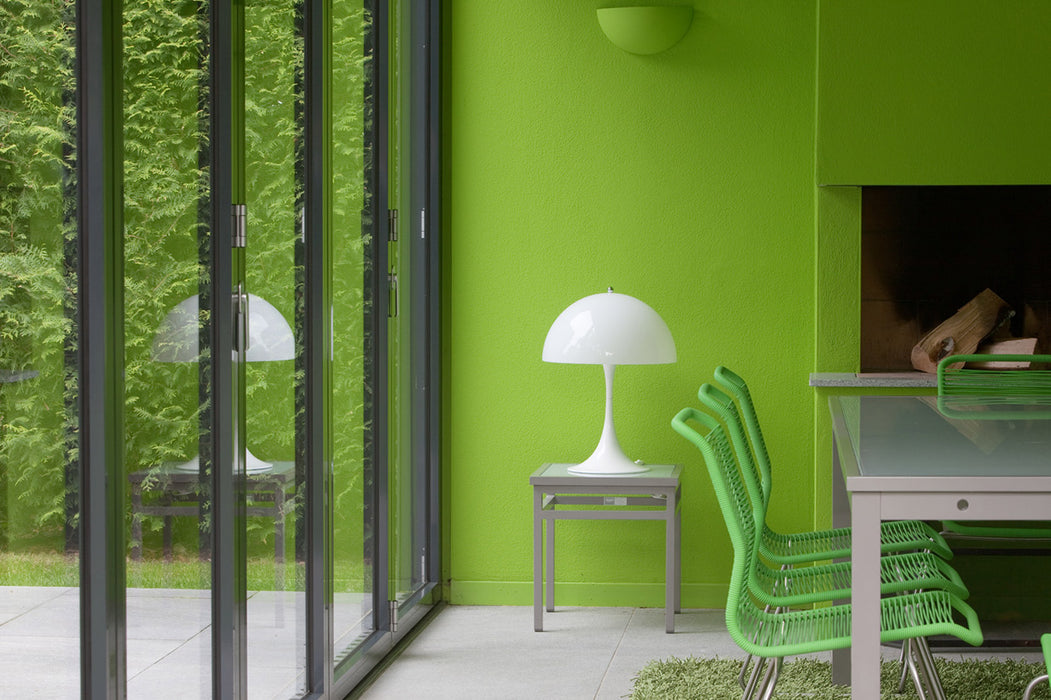
Panthella 400 table lamp
With its unique expression, the Panthella lamp is one of Verner Panton's most recognizable design icons. Designed in 1971 with the Danish designer's signature organic forms, it features a unique expression in which both the base and the shade serve as reflectors. Combined with the opal white color, this makes it not only a piece of great beauty but also functional, providing a pleasantly diffused and reflected light. The Panthella 400 Table Lamp is a popular choice, with its opal white color combination and 400 mm diameter shade.
*This product is usually in stock and can be delivered within 5 to 7 days. Occasionally, delivery may take several weeks. If this is the case, we will notify you immediately.
Panthella 400 table lamp
With its unique expression, the Panthella lamp is one of Verner Panton's most recognizable design icons. Designed in 1971 with the Danish designer's signature organic forms, it features a unique expression in which both the base and the shade serve as reflectors. Combined with the opal white color, this makes it not only a piece of great beauty but also functional, providing a pleasantly diffused and reflected light. The Panthella 400 Table Lamp is a popular choice, with its opal white color combination and 400 mm diameter shade.
*This product is usually in stock and can be delivered within 5 to 7 days. Occasionally, delivery may take several weeks. If this is the case, we will notify you immediately.
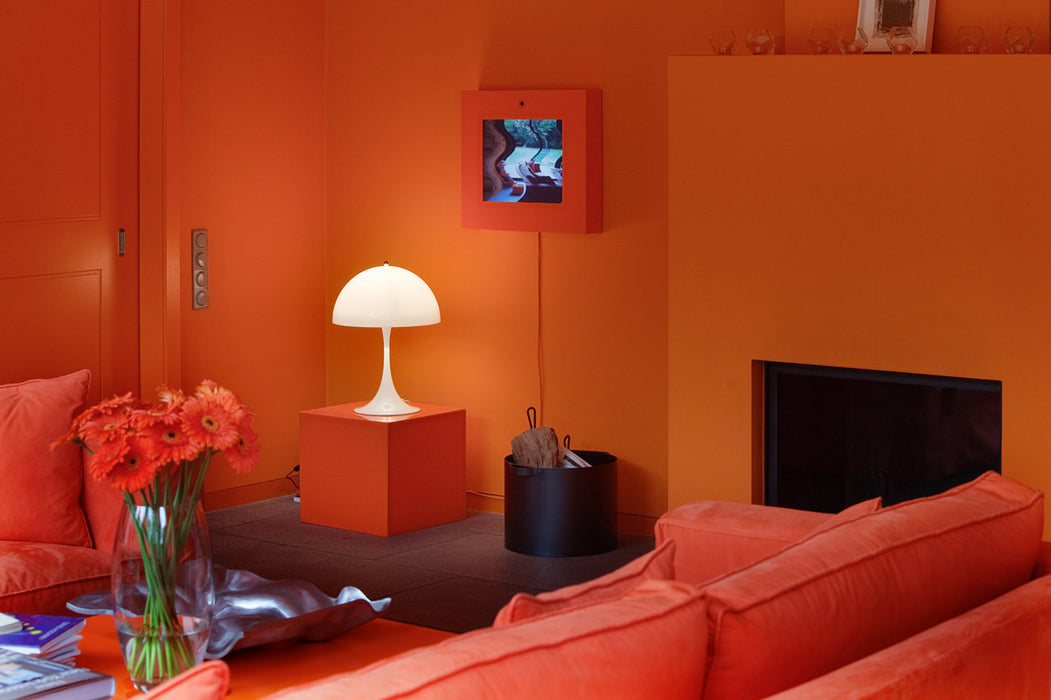
Panthella 400 table lamp
With its unique expression, the Panthella lamp is one of Verner Panton's most recognizable design icons. Designed in 1971 with the Danish designer's signature organic forms, it features a unique expression in which both the base and the shade serve as reflectors. Combined with the opal white color, this makes it not only a piece of great beauty but also functional, providing a pleasantly diffused and reflected light. The Panthella 400 Table Lamp is a popular choice, with its opal white color combination and 400 mm diameter shade.
*This product is usually in stock and can be delivered within 5 to 7 days. Occasionally, delivery may take several weeks. If this is the case, we will notify you immediately.
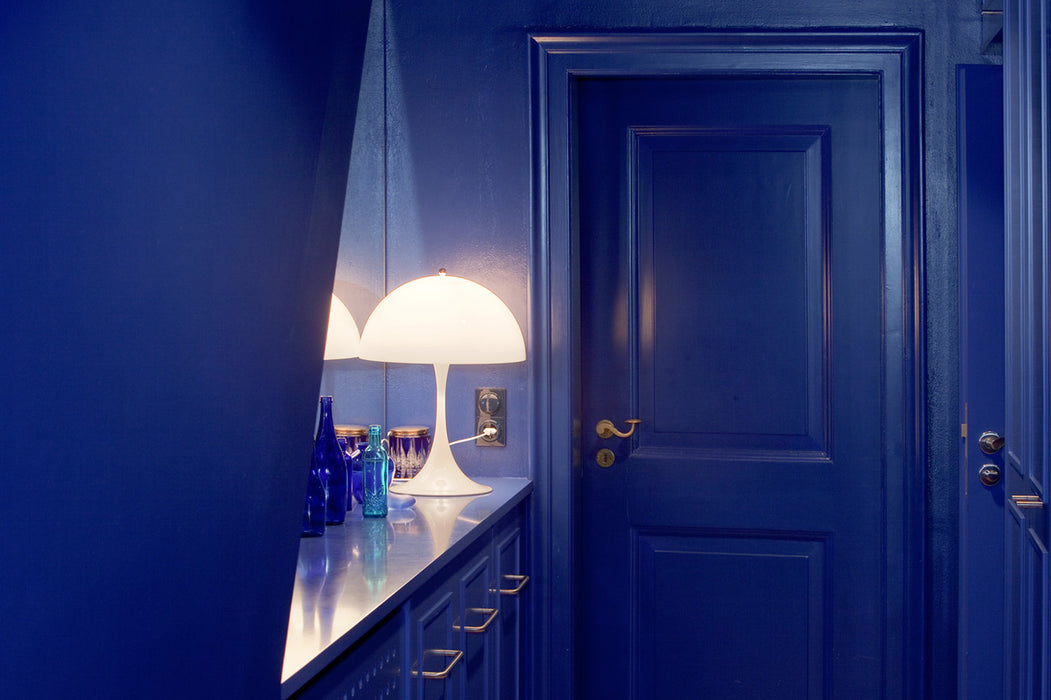
Panthella 400 table lamp
With its unique expression, the Panthella lamp is one of Verner Panton's most recognizable design icons. Designed in 1971 with the Danish designer's signature organic forms, it features a unique expression in which both the base and the shade serve as reflectors. Combined with the opal white color, this makes it not only a piece of great beauty but also functional, providing a pleasantly diffused and reflected light. The Panthella 400 Table Lamp is a popular choice, with its opal white color combination and 400 mm diameter shade.
*This product is usually in stock and can be delivered within 5 to 7 days. Occasionally, delivery may take several weeks. If this is the case, we will notify you immediately.

Panthella 400 table lamp
With its unique expression, the Panthella lamp is one of Verner Panton's most recognizable design icons. Designed in 1971 with the Danish designer's signature organic forms, it features a unique expression in which both the base and the shade serve as reflectors. Combined with the opal white color, this makes it not only a piece of great beauty but also functional, providing a pleasantly diffused and reflected light. The Panthella 400 Table Lamp is a popular choice, with its opal white color combination and 400 mm diameter shade.
*This product is usually in stock and can be delivered within 5 to 7 days. Occasionally, delivery may take several weeks. If this is the case, we will notify you immediately.
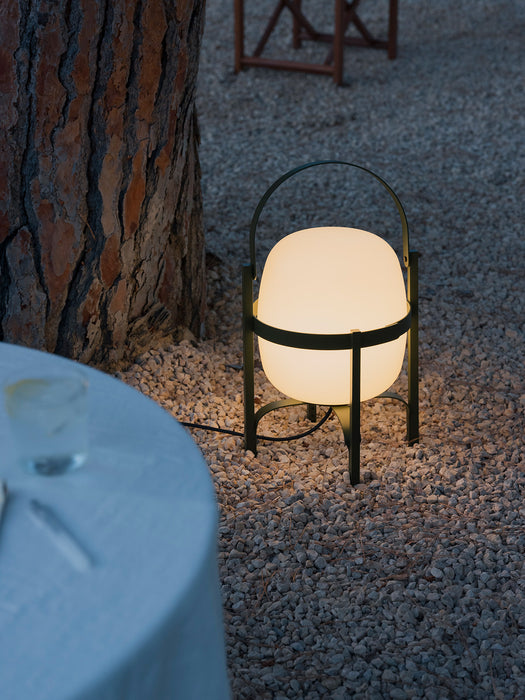

Outdoor Basket Lamp
Strolling through Barcelona in the 1960s, designer Miguel Milá found an abandoned opaline globe in front of a glass factory. He decided to take it in, and over the years it became the epicenter of a large family. As its name suggests, Cesta emerged as a response to the need to embrace this fragile piece.
After decades of producing Miguel Milá's iconic design, an outdoor version is now available. Featuring the same aesthetic features as the original and equal lighting efficiency, it comes with an aluminum frame in black or olive green and a polyethylene shade, two water-resistant materials suitable for outdoor use.
Based on the traditional lantern that illuminates coastal homes, country estates, and open terraces, the Cesta is one of Miguel Milá's most iconic lamps. This lamp-object finds its place equally on a table or on the floor, a light that accompanies you.
Note: Some Santa & Cole products may temporarily have an estimated delivery time of 3-7 weeks due to high demand. For more information, please do not hesitate to contact us. We will be happy to help you.
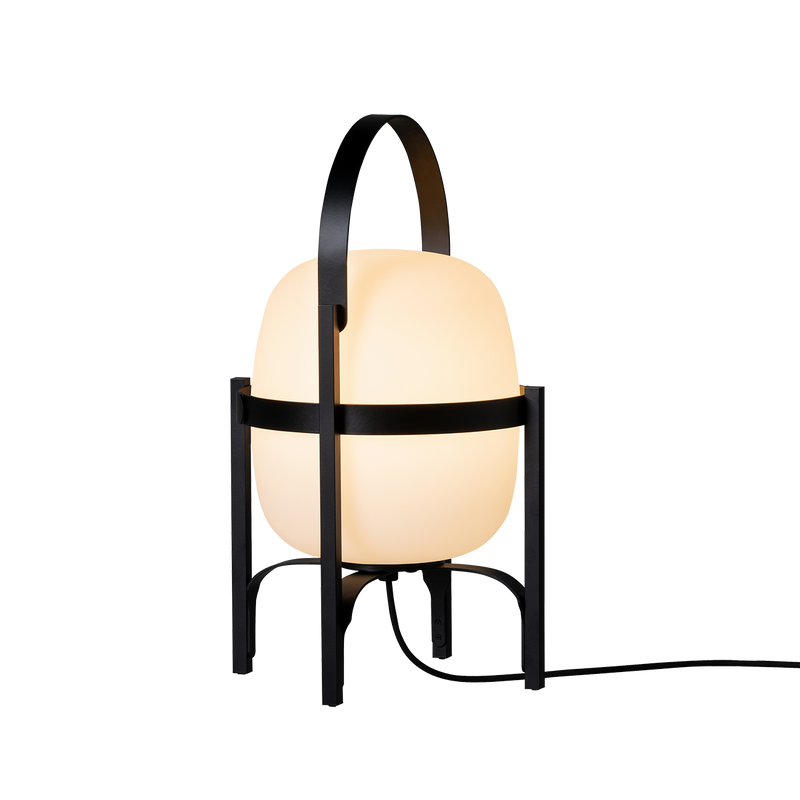

Outdoor Basket Lamp
Strolling through Barcelona in the 1960s, designer Miguel Milá found an abandoned opaline globe in front of a glass factory. He decided to take it in, and over the years it became the epicenter of a large family. As its name suggests, Cesta emerged as a response to the need to embrace this fragile piece.
After decades of producing Miguel Milá's iconic design, an outdoor version is now available. Featuring the same aesthetic features as the original and equal lighting efficiency, it comes with an aluminum frame in black or olive green and a polyethylene shade, two water-resistant materials suitable for outdoor use.
Based on the traditional lantern that illuminates coastal homes, country estates, and open terraces, the Cesta is one of Miguel Milá's most iconic lamps. This lamp-object finds its place equally on a table or on the floor, a light that accompanies you.
Note: Some Santa & Cole products may temporarily have an estimated delivery time of 3-7 weeks due to high demand. For more information, please do not hesitate to contact us. We will be happy to help you.

Outdoor Basket Lamp
Strolling through Barcelona in the 1960s, designer Miguel Milá found an abandoned opaline globe in front of a glass factory. He decided to take it in, and over the years it became the epicenter of a large family. As its name suggests, Cesta emerged as a response to the need to embrace this fragile piece.
After decades of producing Miguel Milá's iconic design, an outdoor version is now available. Featuring the same aesthetic features as the original and equal lighting efficiency, it comes with an aluminum frame in black or olive green and a polyethylene shade, two water-resistant materials suitable for outdoor use.
Based on the traditional lantern that illuminates coastal homes, country estates, and open terraces, the Cesta is one of Miguel Milá's most iconic lamps. This lamp-object finds its place equally on a table or on the floor, a light that accompanies you.
Note: Some Santa & Cole products may temporarily have an estimated delivery time of 3-7 weeks due to high demand. For more information, please do not hesitate to contact us. We will be happy to help you.

Outdoor Basket Lamp
Strolling through Barcelona in the 1960s, designer Miguel Milá found an abandoned opaline globe in front of a glass factory. He decided to take it in, and over the years it became the epicenter of a large family. As its name suggests, Cesta emerged as a response to the need to embrace this fragile piece.
After decades of producing Miguel Milá's iconic design, an outdoor version is now available. Featuring the same aesthetic features as the original and equal lighting efficiency, it comes with an aluminum frame in black or olive green and a polyethylene shade, two water-resistant materials suitable for outdoor use.
Based on the traditional lantern that illuminates coastal homes, country estates, and open terraces, the Cesta is one of Miguel Milá's most iconic lamps. This lamp-object finds its place equally on a table or on the floor, a light that accompanies you.
Note: Some Santa & Cole products may temporarily have an estimated delivery time of 3-7 weeks due to high demand. For more information, please do not hesitate to contact us. We will be happy to help you.

Outdoor Basket Lamp
Strolling through Barcelona in the 1960s, designer Miguel Milá found an abandoned opaline globe in front of a glass factory. He decided to take it in, and over the years it became the epicenter of a large family. As its name suggests, Cesta emerged as a response to the need to embrace this fragile piece.
After decades of producing Miguel Milá's iconic design, an outdoor version is now available. Featuring the same aesthetic features as the original and equal lighting efficiency, it comes with an aluminum frame in black or olive green and a polyethylene shade, two water-resistant materials suitable for outdoor use.
Based on the traditional lantern that illuminates coastal homes, country estates, and open terraces, the Cesta is one of Miguel Milá's most iconic lamps. This lamp-object finds its place equally on a table or on the floor, a light that accompanies you.
Note: Some Santa & Cole products may temporarily have an estimated delivery time of 3-7 weeks due to high demand. For more information, please do not hesitate to contact us. We will be happy to help you.

Outdoor Basket Lamp
Strolling through Barcelona in the 1960s, designer Miguel Milá found an abandoned opaline globe in front of a glass factory. He decided to take it in, and over the years it became the epicenter of a large family. As its name suggests, Cesta emerged as a response to the need to embrace this fragile piece.
After decades of producing Miguel Milá's iconic design, an outdoor version is now available. Featuring the same aesthetic features as the original and equal lighting efficiency, it comes with an aluminum frame in black or olive green and a polyethylene shade, two water-resistant materials suitable for outdoor use.
Based on the traditional lantern that illuminates coastal homes, country estates, and open terraces, the Cesta is one of Miguel Milá's most iconic lamps. This lamp-object finds its place equally on a table or on the floor, a light that accompanies you.
Note: Some Santa & Cole products may temporarily have an estimated delivery time of 3-7 weeks due to high demand. For more information, please do not hesitate to contact us. We will be happy to help you.

Outdoor Basket Lamp
Strolling through Barcelona in the 1960s, designer Miguel Milá found an abandoned opaline globe in front of a glass factory. He decided to take it in, and over the years it became the epicenter of a large family. As its name suggests, Cesta emerged as a response to the need to embrace this fragile piece.
After decades of producing Miguel Milá's iconic design, an outdoor version is now available. Featuring the same aesthetic features as the original and equal lighting efficiency, it comes with an aluminum frame in black or olive green and a polyethylene shade, two water-resistant materials suitable for outdoor use.
Based on the traditional lantern that illuminates coastal homes, country estates, and open terraces, the Cesta is one of Miguel Milá's most iconic lamps. This lamp-object finds its place equally on a table or on the floor, a light that accompanies you.
Note: Some Santa & Cole products may temporarily have an estimated delivery time of 3-7 weeks due to high demand. For more information, please do not hesitate to contact us. We will be happy to help you.

Outdoor Basket Lamp
Strolling through Barcelona in the 1960s, designer Miguel Milá found an abandoned opaline globe in front of a glass factory. He decided to take it in, and over the years it became the epicenter of a large family. As its name suggests, Cesta emerged as a response to the need to embrace this fragile piece.
After decades of producing Miguel Milá's iconic design, an outdoor version is now available. Featuring the same aesthetic features as the original and equal lighting efficiency, it comes with an aluminum frame in black or olive green and a polyethylene shade, two water-resistant materials suitable for outdoor use.
Based on the traditional lantern that illuminates coastal homes, country estates, and open terraces, the Cesta is one of Miguel Milá's most iconic lamps. This lamp-object finds its place equally on a table or on the floor, a light that accompanies you.
Note: Some Santa & Cole products may temporarily have an estimated delivery time of 3-7 weeks due to high demand. For more information, please do not hesitate to contact us. We will be happy to help you.

Outdoor Basket Lamp
Strolling through Barcelona in the 1960s, designer Miguel Milá found an abandoned opaline globe in front of a glass factory. He decided to take it in, and over the years it became the epicenter of a large family. As its name suggests, Cesta emerged as a response to the need to embrace this fragile piece.
After decades of producing Miguel Milá's iconic design, an outdoor version is now available. Featuring the same aesthetic features as the original and equal lighting efficiency, it comes with an aluminum frame in black or olive green and a polyethylene shade, two water-resistant materials suitable for outdoor use.
Based on the traditional lantern that illuminates coastal homes, country estates, and open terraces, the Cesta is one of Miguel Milá's most iconic lamps. This lamp-object finds its place equally on a table or on the floor, a light that accompanies you.
Note: Some Santa & Cole products may temporarily have an estimated delivery time of 3-7 weeks due to high demand. For more information, please do not hesitate to contact us. We will be happy to help you.

Outdoor Basket Lamp
Strolling through Barcelona in the 1960s, designer Miguel Milá found an abandoned opaline globe in front of a glass factory. He decided to take it in, and over the years it became the epicenter of a large family. As its name suggests, Cesta emerged as a response to the need to embrace this fragile piece.
After decades of producing Miguel Milá's iconic design, an outdoor version is now available. Featuring the same aesthetic features as the original and equal lighting efficiency, it comes with an aluminum frame in black or olive green and a polyethylene shade, two water-resistant materials suitable for outdoor use.
Based on the traditional lantern that illuminates coastal homes, country estates, and open terraces, the Cesta is one of Miguel Milá's most iconic lamps. This lamp-object finds its place equally on a table or on the floor, a light that accompanies you.
Note: Some Santa & Cole products may temporarily have an estimated delivery time of 3-7 weeks due to high demand. For more information, please do not hesitate to contact us. We will be happy to help you.

Outdoor Basket Lamp
Strolling through Barcelona in the 1960s, designer Miguel Milá found an abandoned opaline globe in front of a glass factory. He decided to take it in, and over the years it became the epicenter of a large family. As its name suggests, Cesta emerged as a response to the need to embrace this fragile piece.
After decades of producing Miguel Milá's iconic design, an outdoor version is now available. Featuring the same aesthetic features as the original and equal lighting efficiency, it comes with an aluminum frame in black or olive green and a polyethylene shade, two water-resistant materials suitable for outdoor use.
Based on the traditional lantern that illuminates coastal homes, country estates, and open terraces, the Cesta is one of Miguel Milá's most iconic lamps. This lamp-object finds its place equally on a table or on the floor, a light that accompanies you.
Note: Some Santa & Cole products may temporarily have an estimated delivery time of 3-7 weeks due to high demand. For more information, please do not hesitate to contact us. We will be happy to help you.

Outdoor Basket Lamp
Strolling through Barcelona in the 1960s, designer Miguel Milá found an abandoned opaline globe in front of a glass factory. He decided to take it in, and over the years it became the epicenter of a large family. As its name suggests, Cesta emerged as a response to the need to embrace this fragile piece.
After decades of producing Miguel Milá's iconic design, an outdoor version is now available. Featuring the same aesthetic features as the original and equal lighting efficiency, it comes with an aluminum frame in black or olive green and a polyethylene shade, two water-resistant materials suitable for outdoor use.
Based on the traditional lantern that illuminates coastal homes, country estates, and open terraces, the Cesta is one of Miguel Milá's most iconic lamps. This lamp-object finds its place equally on a table or on the floor, a light that accompanies you.
Note: Some Santa & Cole products may temporarily have an estimated delivery time of 3-7 weeks due to high demand. For more information, please do not hesitate to contact us. We will be happy to help you.

Outdoor Basket Lamp
Strolling through Barcelona in the 1960s, designer Miguel Milá found an abandoned opaline globe in front of a glass factory. He decided to take it in, and over the years it became the epicenter of a large family. As its name suggests, Cesta emerged as a response to the need to embrace this fragile piece.
After decades of producing Miguel Milá's iconic design, an outdoor version is now available. Featuring the same aesthetic features as the original and equal lighting efficiency, it comes with an aluminum frame in black or olive green and a polyethylene shade, two water-resistant materials suitable for outdoor use.
Based on the traditional lantern that illuminates coastal homes, country estates, and open terraces, the Cesta is one of Miguel Milá's most iconic lamps. This lamp-object finds its place equally on a table or on the floor, a light that accompanies you.
Note: Some Santa & Cole products may temporarily have an estimated delivery time of 3-7 weeks due to high demand. For more information, please do not hesitate to contact us. We will be happy to help you.

Outdoor Basket Lamp
Strolling through Barcelona in the 1960s, designer Miguel Milá found an abandoned opaline globe in front of a glass factory. He decided to take it in, and over the years it became the epicenter of a large family. As its name suggests, Cesta emerged as a response to the need to embrace this fragile piece.
After decades of producing Miguel Milá's iconic design, an outdoor version is now available. Featuring the same aesthetic features as the original and equal lighting efficiency, it comes with an aluminum frame in black or olive green and a polyethylene shade, two water-resistant materials suitable for outdoor use.
Based on the traditional lantern that illuminates coastal homes, country estates, and open terraces, the Cesta is one of Miguel Milá's most iconic lamps. This lamp-object finds its place equally on a table or on the floor, a light that accompanies you.
Note: Some Santa & Cole products may temporarily have an estimated delivery time of 3-7 weeks due to high demand. For more information, please do not hesitate to contact us. We will be happy to help you.

Outdoor Basket Lamp
Strolling through Barcelona in the 1960s, designer Miguel Milá found an abandoned opaline globe in front of a glass factory. He decided to take it in, and over the years it became the epicenter of a large family. As its name suggests, Cesta emerged as a response to the need to embrace this fragile piece.
After decades of producing Miguel Milá's iconic design, an outdoor version is now available. Featuring the same aesthetic features as the original and equal lighting efficiency, it comes with an aluminum frame in black or olive green and a polyethylene shade, two water-resistant materials suitable for outdoor use.
Based on the traditional lantern that illuminates coastal homes, country estates, and open terraces, the Cesta is one of Miguel Milá's most iconic lamps. This lamp-object finds its place equally on a table or on the floor, a light that accompanies you.
Note: Some Santa & Cole products may temporarily have an estimated delivery time of 3-7 weeks due to high demand. For more information, please do not hesitate to contact us. We will be happy to help you.

Norm Oval Wall Mirror
Inspired by vintage dressing room mirrors, the Norm Oval mirror is simple and stylish. A practical and versatile mirror, perfect for placing in the bathroom, hallway, or dressing room. This mirror is part of a collection by Norm Architects. Each mirror is made with a powder-coated metal frame and has gently rounded corners.
Ver producto relacionado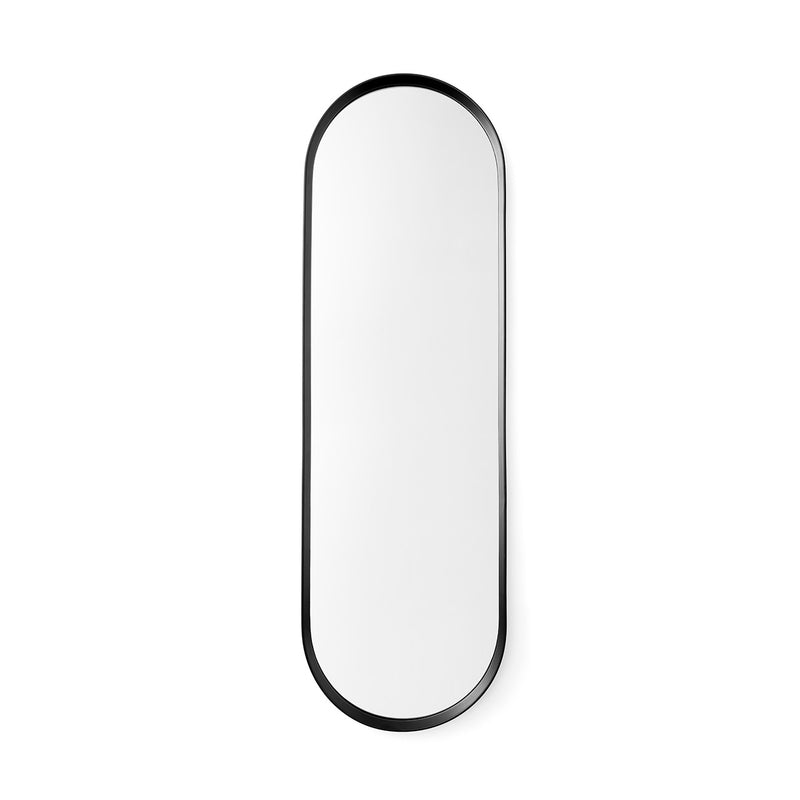
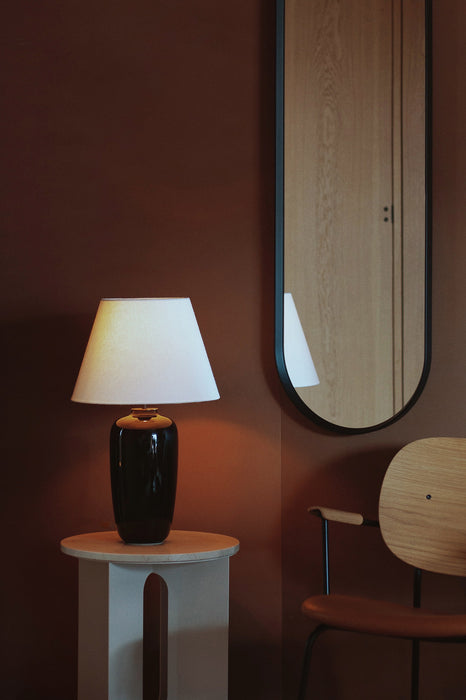
Norm Oval Wall Mirror
Inspired by vintage dressing room mirrors, the Norm Oval mirror is simple and stylish. A practical and versatile mirror, perfect for placing in the bathroom, hallway, or dressing room. This mirror is part of a collection by Norm Architects. Each mirror is made with a powder-coated metal frame and has gently rounded corners.
Ver producto relacionado
Norm Oval Wall Mirror
Inspired by vintage dressing room mirrors, the Norm Oval mirror is simple and stylish. A practical and versatile mirror, perfect for placing in the bathroom, hallway, or dressing room. This mirror is part of a collection by Norm Architects. Each mirror is made with a powder-coated metal frame and has gently rounded corners.
Ver producto relacionado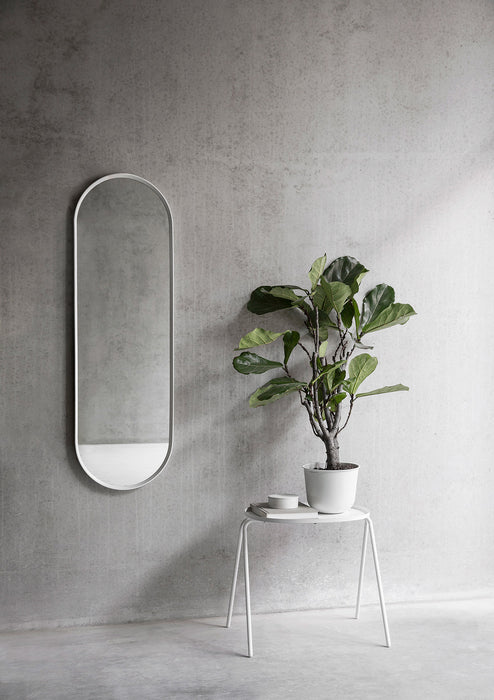
Norm Oval Wall Mirror
Inspired by vintage dressing room mirrors, the Norm Oval mirror is simple and stylish. A practical and versatile mirror, perfect for placing in the bathroom, hallway, or dressing room. This mirror is part of a collection by Norm Architects. Each mirror is made with a powder-coated metal frame and has gently rounded corners.
Ver producto relacionado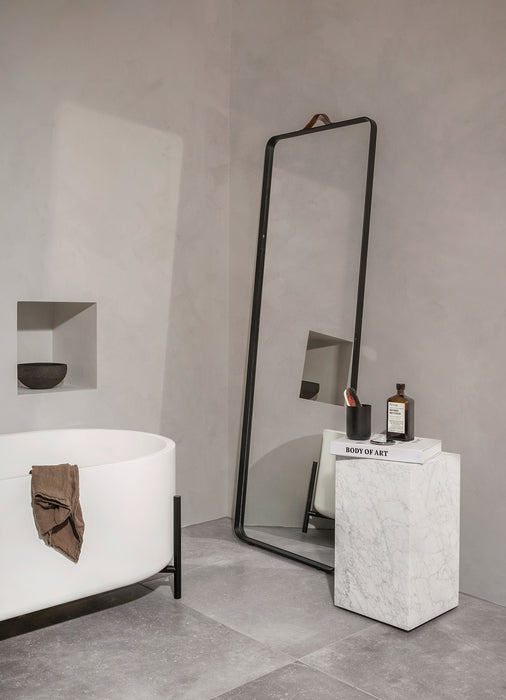
Norm Floor Mirror
The compact design of this vanity-style bathroom mirror makes it a highly elegant accessory for a home's entryway, bedroom, or bathroom. Whether mounted on the wall or placed above a dresser or cupboard, it comes in two finishes: black and white. Its generous dimensions are designed to provide the right perspective while visually expanding a space.
Ver producto relacionado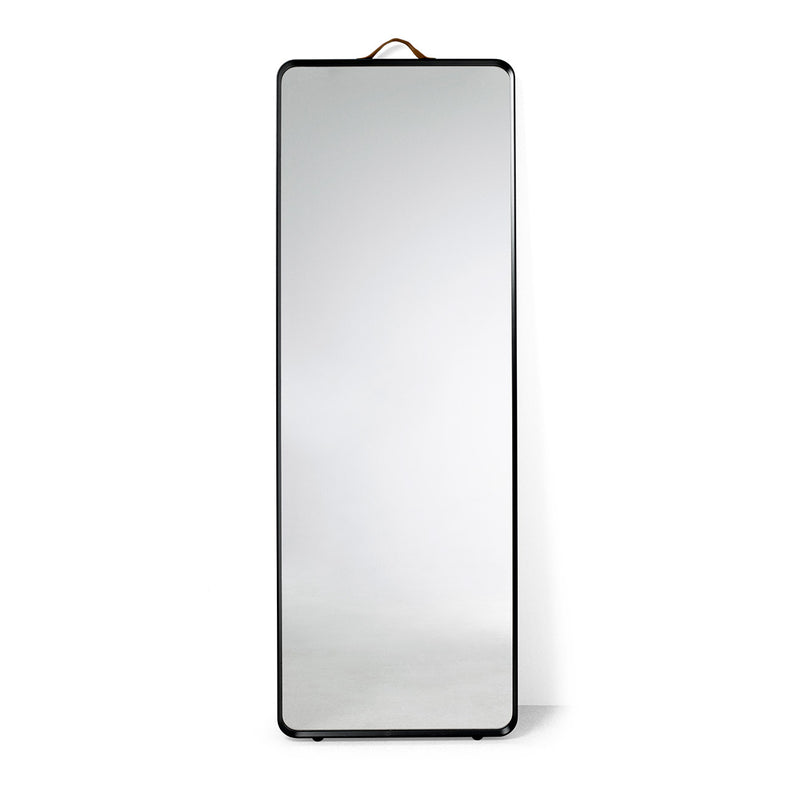
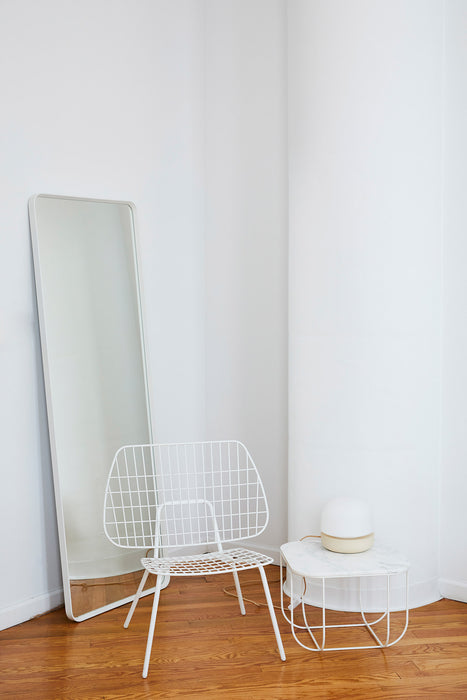
Norm Floor Mirror
The compact design of this vanity-style bathroom mirror makes it a highly elegant accessory for a home's entryway, bedroom, or bathroom. Whether mounted on the wall or placed above a dresser or cupboard, it comes in two finishes: black and white. Its generous dimensions are designed to provide the right perspective while visually expanding a space.
Ver producto relacionado
Norm Floor Mirror
The compact design of this vanity-style bathroom mirror makes it a highly elegant accessory for a home's entryway, bedroom, or bathroom. Whether mounted on the wall or placed above a dresser or cupboard, it comes in two finishes: black and white. Its generous dimensions are designed to provide the right perspective while visually expanding a space.
Ver producto relacionado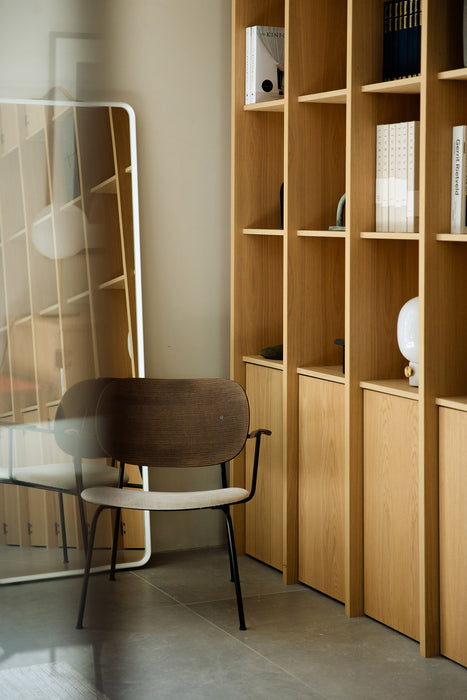
Norm Floor Mirror
The compact design of this vanity-style bathroom mirror makes it a highly elegant accessory for a home's entryway, bedroom, or bathroom. Whether mounted on the wall or placed above a dresser or cupboard, it comes in two finishes: black and white. Its generous dimensions are designed to provide the right perspective while visually expanding a space.
Ver producto relacionado
Norm Floor Mirror
The compact design of this vanity-style bathroom mirror makes it a highly elegant accessory for a home's entryway, bedroom, or bathroom. Whether mounted on the wall or placed above a dresser or cupboard, it comes in two finishes: black and white. Its generous dimensions are designed to provide the right perspective while visually expanding a space.
Ver producto relacionado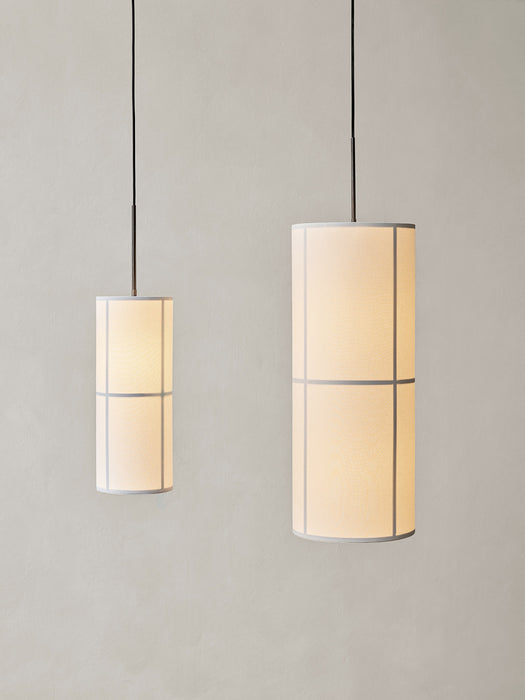
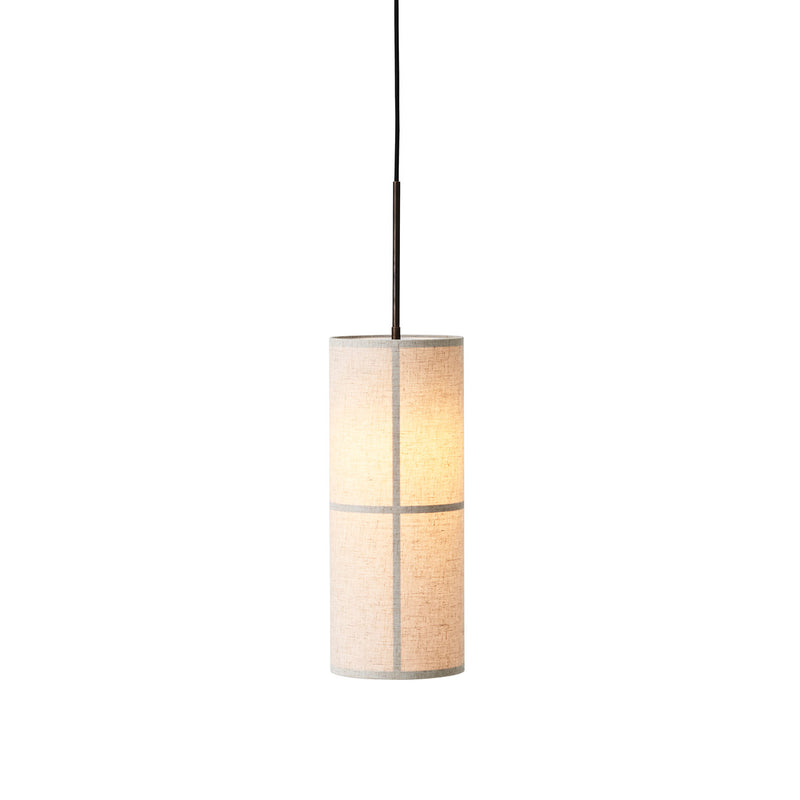
Hashira ceiling lamp
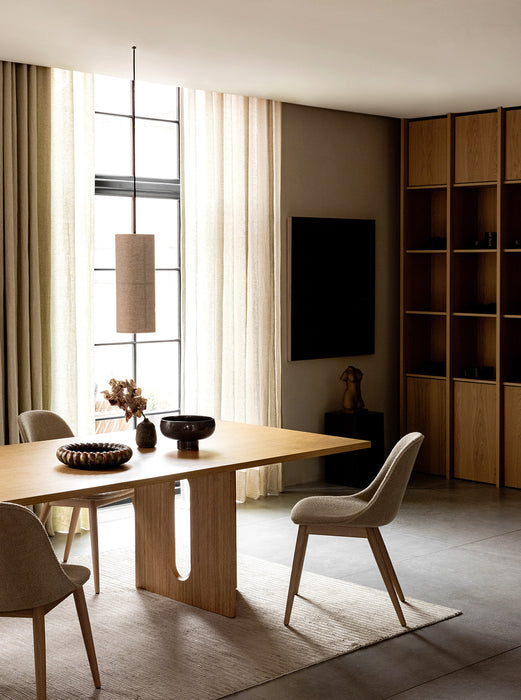
The Hashira collection's pendant lamp is created in the same column shape as the floor and table lamps, carefully covered with translucent fabric that reveals the interior's graphic structure and suspended from the ceiling by a textile cord. Emitting a diffused light into the room, it becomes a functional pendant lamp over a dining table, in a reception area, or in a hotel room.
Audo Copenhagen's Hashira collection is a modern Nordic take on traditional Japanese rice paper lanterns. Fusing East and West, tradition and modernity, the luminaires designed by Norm Architects strike a perfect balance between simplicity and character.
Hashira ceiling lamp
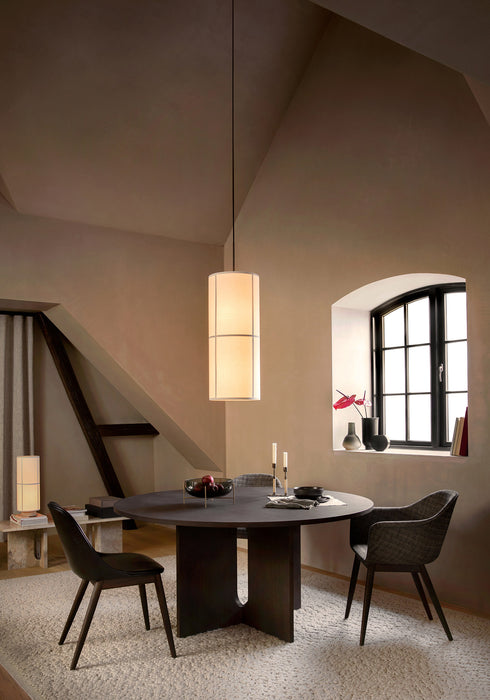
The Hashira collection's pendant lamp is created in the same column shape as the floor and table lamps, carefully covered with translucent fabric that reveals the interior's graphic structure and suspended from the ceiling by a textile cord. Emitting a diffused light into the room, it becomes a functional pendant lamp over a dining table, in a reception area, or in a hotel room.
Audo Copenhagen's Hashira collection is a modern Nordic take on traditional Japanese rice paper lanterns. Fusing East and West, tradition and modernity, the luminaires designed by Norm Architects strike a perfect balance between simplicity and character.
Hashira ceiling lamp
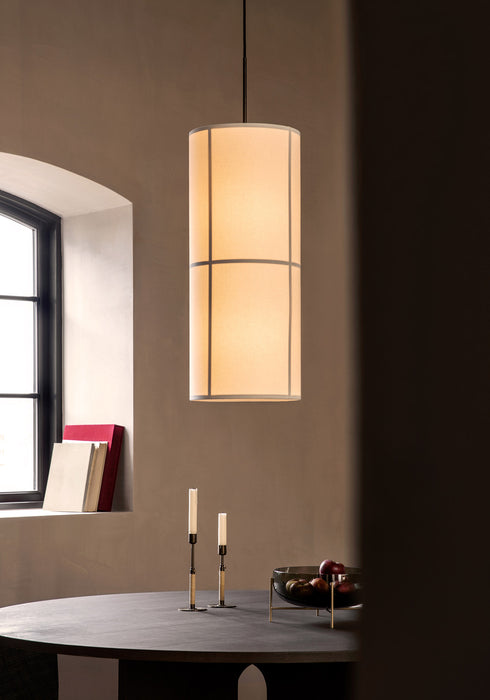
The Hashira collection's pendant lamp is created in the same column shape as the floor and table lamps, carefully covered with translucent fabric that reveals the interior's graphic structure and suspended from the ceiling by a textile cord. Emitting a diffused light into the room, it becomes a functional pendant lamp over a dining table, in a reception area, or in a hotel room.
Audo Copenhagen's Hashira collection is a modern Nordic take on traditional Japanese rice paper lanterns. Fusing East and West, tradition and modernity, the luminaires designed by Norm Architects strike a perfect balance between simplicity and character.
Hashira ceiling lamp
The Hashira collection's pendant lamp is created in the same column shape as the floor and table lamps, carefully covered with translucent fabric that reveals the interior's graphic structure and suspended from the ceiling by a textile cord. Emitting a diffused light into the room, it becomes a functional pendant lamp over a dining table, in a reception area, or in a hotel room.
Audo Copenhagen's Hashira collection is a modern Nordic take on traditional Japanese rice paper lanterns. Fusing East and West, tradition and modernity, the luminaires designed by Norm Architects strike a perfect balance between simplicity and character.
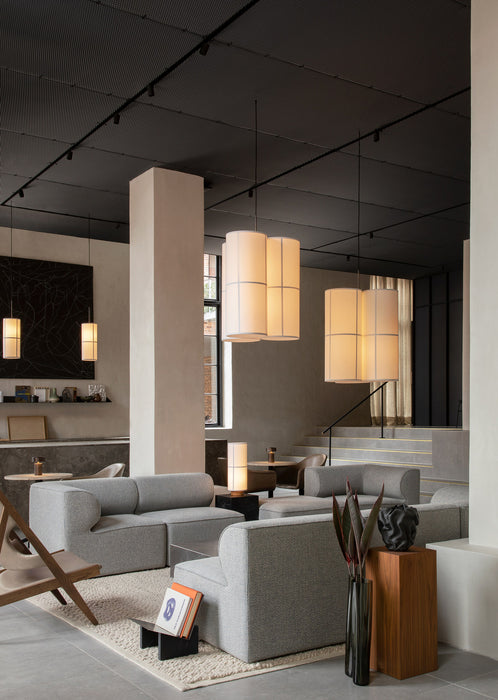
Hashira ceiling lamp
The Hashira collection's pendant lamp is created in the same column shape as the floor and table lamps, carefully covered with translucent fabric that reveals the interior's graphic structure and suspended from the ceiling by a textile cord. Emitting a diffused light into the room, it becomes a functional pendant lamp over a dining table, in a reception area, or in a hotel room.
Audo Copenhagen's Hashira collection is a modern Nordic take on traditional Japanese rice paper lanterns. Fusing East and West, tradition and modernity, the luminaires designed by Norm Architects strike a perfect balance between simplicity and character.
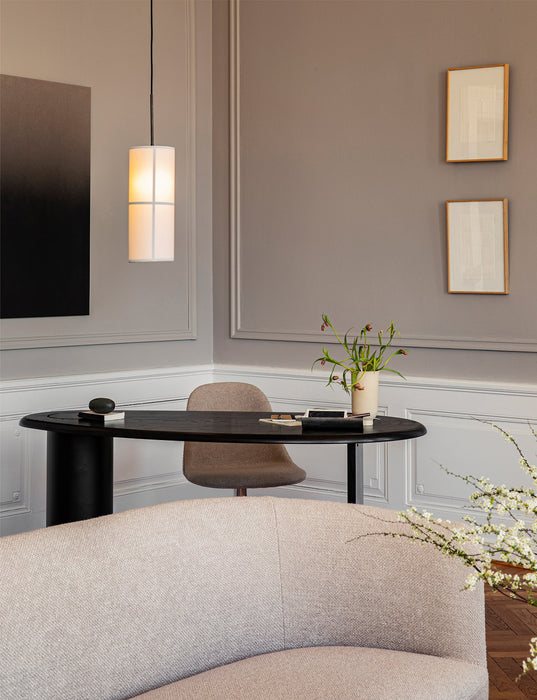
Hashira ceiling lamp
The Hashira collection's pendant lamp is created in the same column shape as the floor and table lamps, carefully covered with translucent fabric that reveals the interior's graphic structure and suspended from the ceiling by a textile cord. Emitting a diffused light into the room, it becomes a functional pendant lamp over a dining table, in a reception area, or in a hotel room.
Audo Copenhagen's Hashira collection is a modern Nordic take on traditional Japanese rice paper lanterns. Fusing East and West, tradition and modernity, the luminaires designed by Norm Architects strike a perfect balance between simplicity and character.
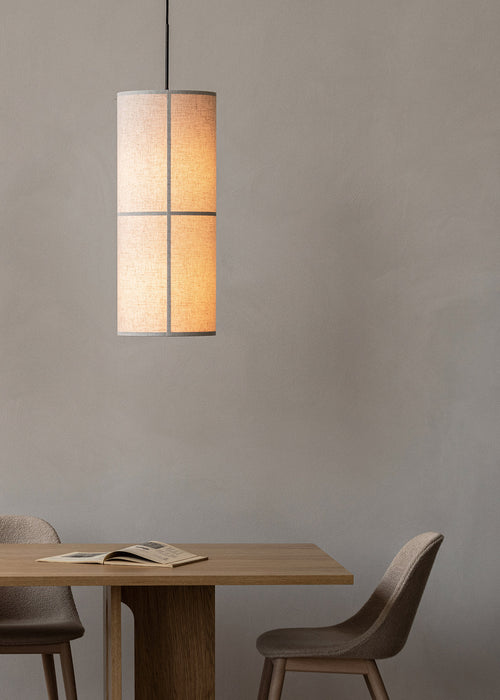
Hashira ceiling lamp
The Hashira collection's pendant lamp is created in the same column shape as the floor and table lamps, carefully covered with translucent fabric that reveals the interior's graphic structure and suspended from the ceiling by a textile cord. Emitting a diffused light into the room, it becomes a functional pendant lamp over a dining table, in a reception area, or in a hotel room.
Audo Copenhagen's Hashira collection is a modern Nordic take on traditional Japanese rice paper lanterns. Fusing East and West, tradition and modernity, the luminaires designed by Norm Architects strike a perfect balance between simplicity and character.
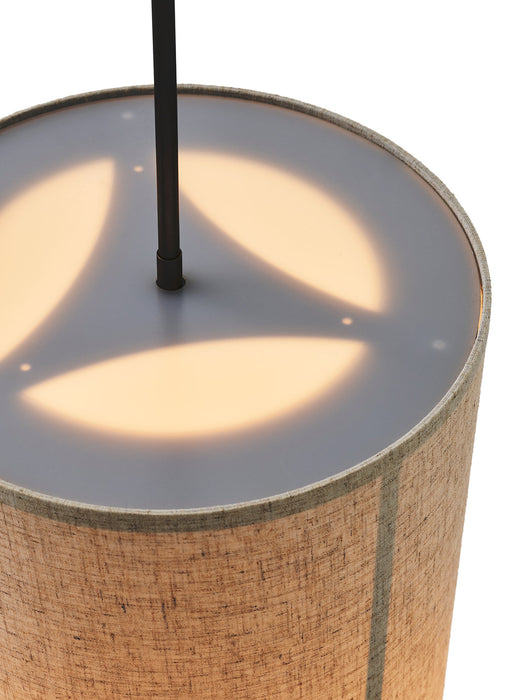
Hashira ceiling lamp
The Hashira collection's pendant lamp is created in the same column shape as the floor and table lamps, carefully covered with translucent fabric that reveals the interior's graphic structure and suspended from the ceiling by a textile cord. Emitting a diffused light into the room, it becomes a functional pendant lamp over a dining table, in a reception area, or in a hotel room.
Audo Copenhagen's Hashira collection is a modern Nordic take on traditional Japanese rice paper lanterns. Fusing East and West, tradition and modernity, the luminaires designed by Norm Architects strike a perfect balance between simplicity and character.
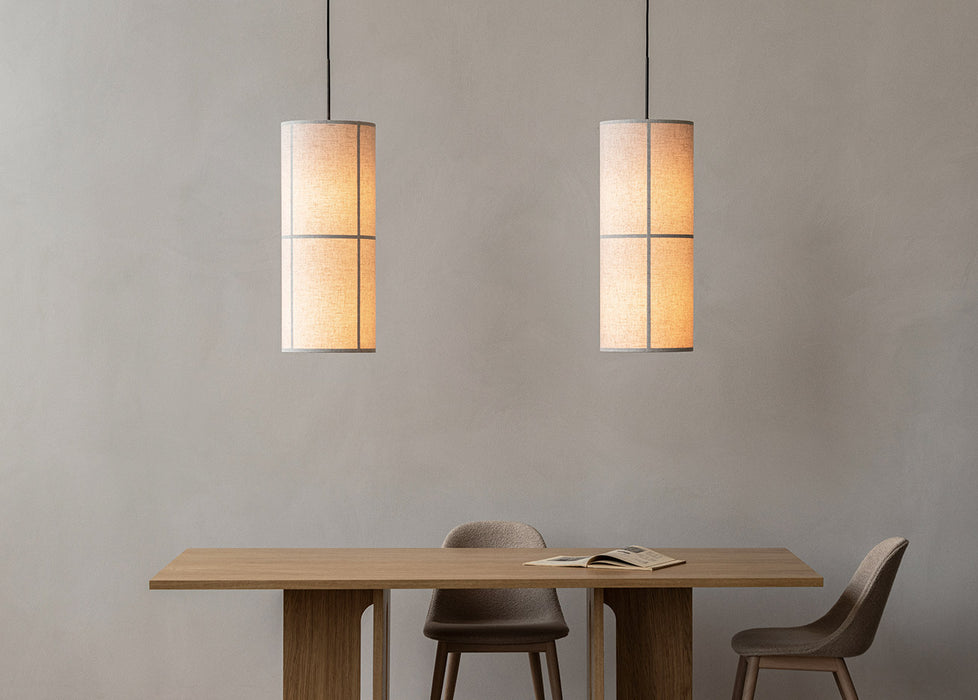
Hashira ceiling lamp
The Hashira collection's pendant lamp is created in the same column shape as the floor and table lamps, carefully covered with translucent fabric that reveals the interior's graphic structure and suspended from the ceiling by a textile cord. Emitting a diffused light into the room, it becomes a functional pendant lamp over a dining table, in a reception area, or in a hotel room.
Audo Copenhagen's Hashira collection is a modern Nordic take on traditional Japanese rice paper lanterns. Fusing East and West, tradition and modernity, the luminaires designed by Norm Architects strike a perfect balance between simplicity and character.
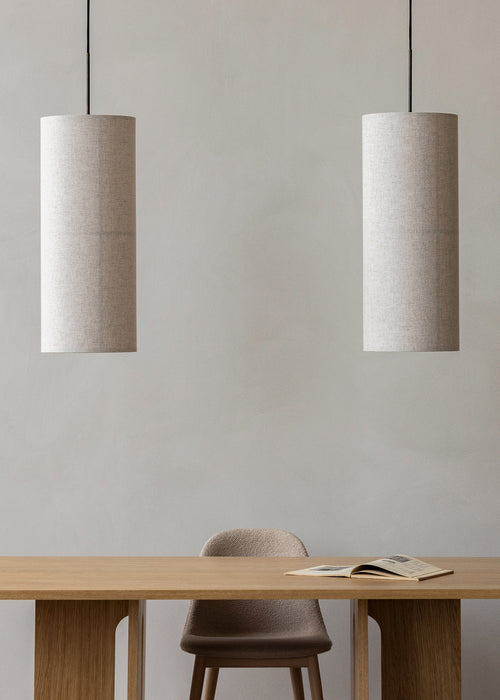
Hashira ceiling lamp
The Hashira collection's pendant lamp is created in the same column shape as the floor and table lamps, carefully covered with translucent fabric that reveals the interior's graphic structure and suspended from the ceiling by a textile cord. Emitting a diffused light into the room, it becomes a functional pendant lamp over a dining table, in a reception area, or in a hotel room.
Audo Copenhagen's Hashira collection is a modern Nordic take on traditional Japanese rice paper lanterns. Fusing East and West, tradition and modernity, the luminaires designed by Norm Architects strike a perfect balance between simplicity and character.
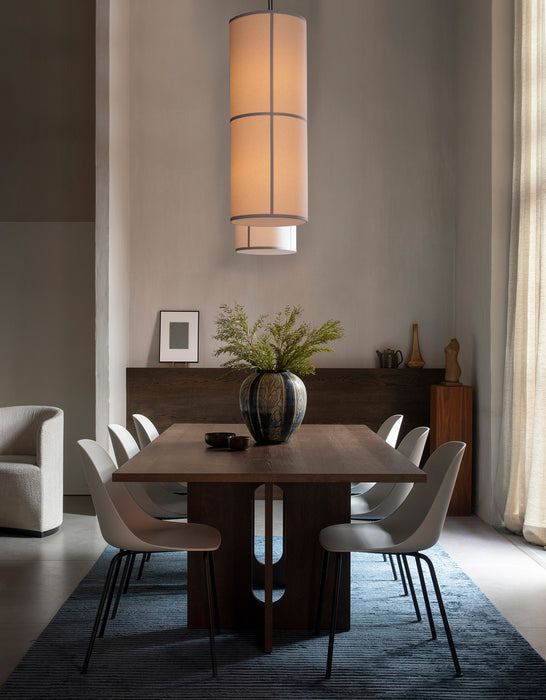
Hashira ceiling lamp
The Hashira collection's pendant lamp is created in the same column shape as the floor and table lamps, carefully covered with translucent fabric that reveals the interior's graphic structure and suspended from the ceiling by a textile cord. Emitting a diffused light into the room, it becomes a functional pendant lamp over a dining table, in a reception area, or in a hotel room.
Audo Copenhagen's Hashira collection is a modern Nordic take on traditional Japanese rice paper lanterns. Fusing East and West, tradition and modernity, the luminaires designed by Norm Architects strike a perfect balance between simplicity and character.
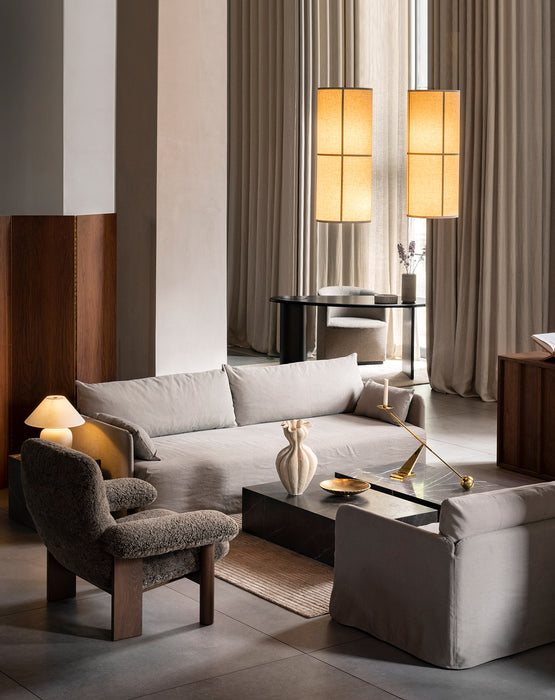
Hashira ceiling lamp
The Hashira collection's pendant lamp is created in the same column shape as the floor and table lamps, carefully covered with translucent fabric that reveals the interior's graphic structure and suspended from the ceiling by a textile cord. Emitting a diffused light into the room, it becomes a functional pendant lamp over a dining table, in a reception area, or in a hotel room.
Audo Copenhagen's Hashira collection is a modern Nordic take on traditional Japanese rice paper lanterns. Fusing East and West, tradition and modernity, the luminaires designed by Norm Architects strike a perfect balance between simplicity and character.
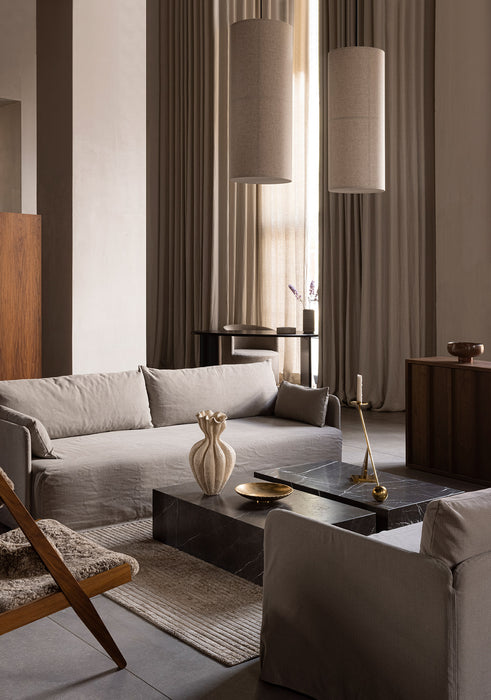
Hashira ceiling lamp
The Hashira collection's pendant lamp is created in the same column shape as the floor and table lamps, carefully covered with translucent fabric that reveals the interior's graphic structure and suspended from the ceiling by a textile cord. Emitting a diffused light into the room, it becomes a functional pendant lamp over a dining table, in a reception area, or in a hotel room.
Audo Copenhagen's Hashira collection is a modern Nordic take on traditional Japanese rice paper lanterns. Fusing East and West, tradition and modernity, the luminaires designed by Norm Architects strike a perfect balance between simplicity and character.
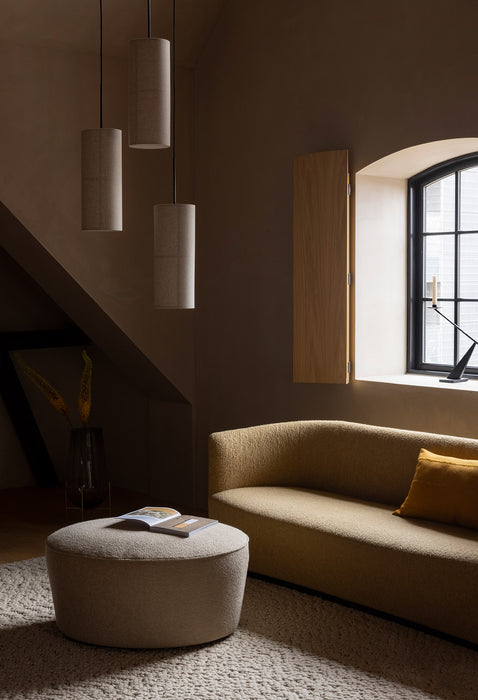
Hashira ceiling lamp
The Hashira collection's pendant lamp is created in the same column shape as the floor and table lamps, carefully covered with translucent fabric that reveals the interior's graphic structure and suspended from the ceiling by a textile cord. Emitting a diffused light into the room, it becomes a functional pendant lamp over a dining table, in a reception area, or in a hotel room.
Audo Copenhagen's Hashira collection is a modern Nordic take on traditional Japanese rice paper lanterns. Fusing East and West, tradition and modernity, the luminaires designed by Norm Architects strike a perfect balance between simplicity and character.
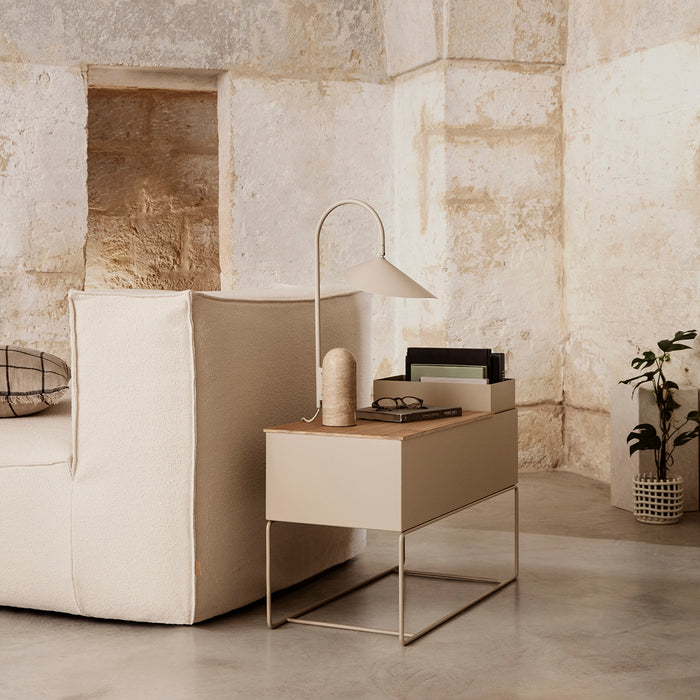

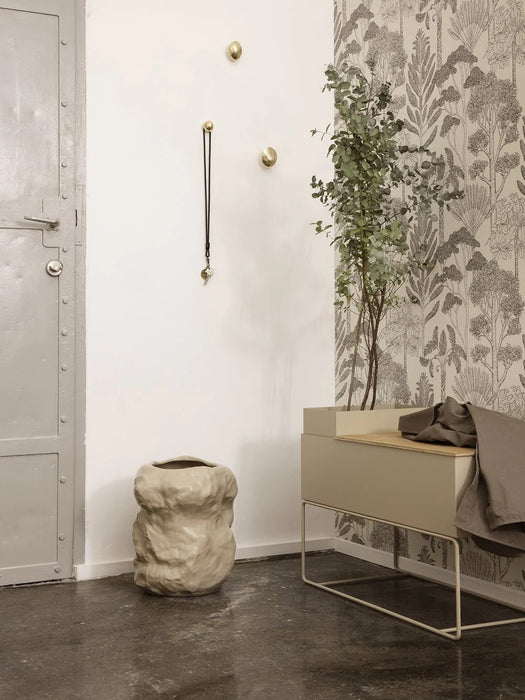
Plant Box Large Planter
Large, low, and deep, this powder-coated metal Plant Box is ideal for both housing plants and storing everyday clutter, from magazines and books to toys and office supplies. Set on a slim yet sturdy frame, this timeless design can also be used with the matching lid for extra surface space.
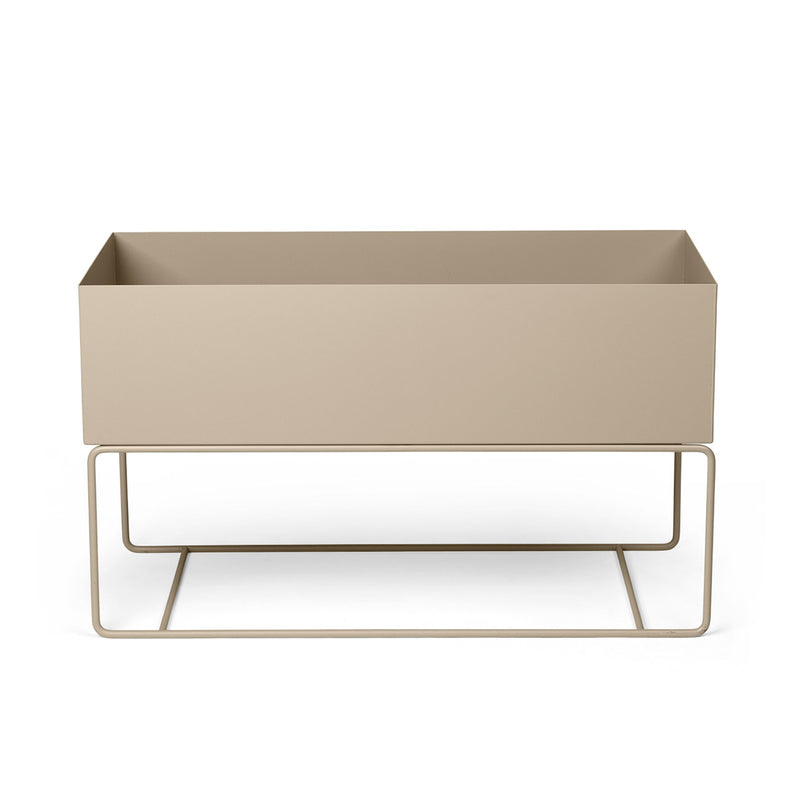
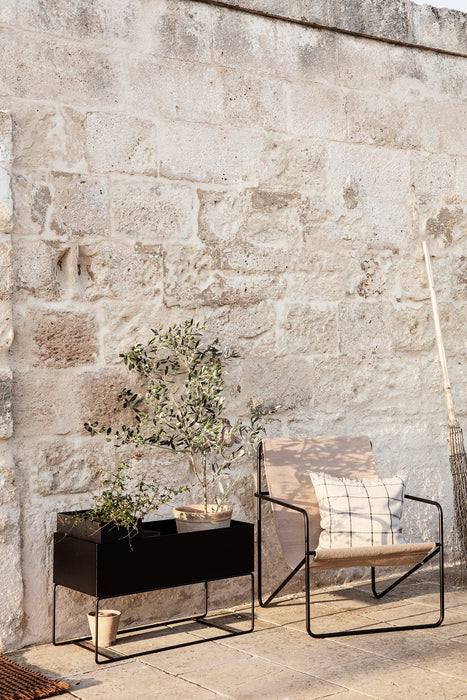
Plant Box Large Planter
Large, low, and deep, this powder-coated metal Plant Box is ideal for both housing plants and storing everyday clutter, from magazines and books to toys and office supplies. Set on a slim yet sturdy frame, this timeless design can also be used with the matching lid for extra surface space.
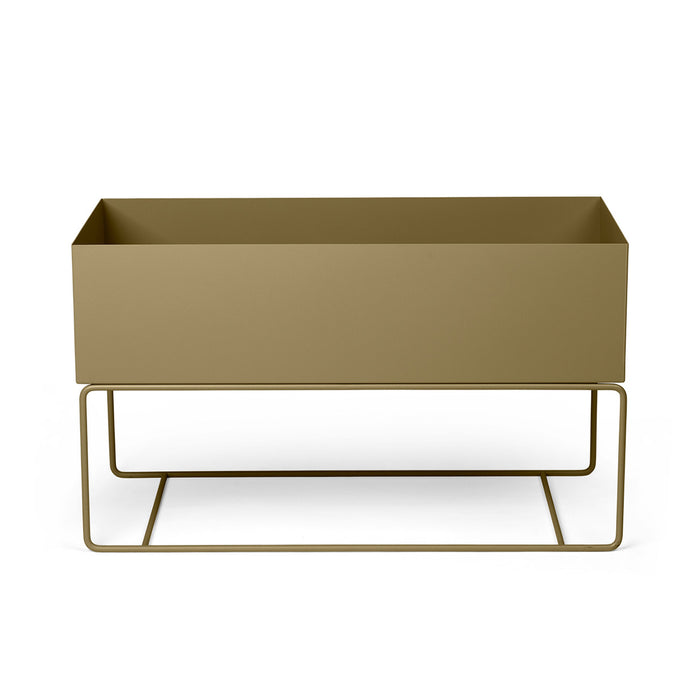
Plant Box Large Planter
Large, low, and deep, this powder-coated metal Plant Box is ideal for both housing plants and storing everyday clutter, from magazines and books to toys and office supplies. Set on a slim yet sturdy frame, this timeless design can also be used with the matching lid for extra surface space.
Plant Box Large Planter
Large, low, and deep, this powder-coated metal Plant Box is ideal for both housing plants and storing everyday clutter, from magazines and books to toys and office supplies. Set on a slim yet sturdy frame, this timeless design can also be used with the matching lid for extra surface space.
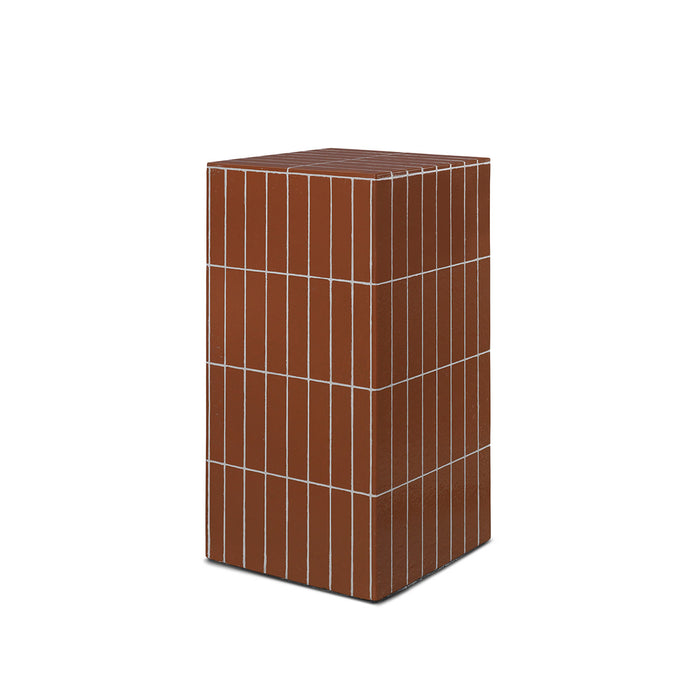
Pedestal Pillar
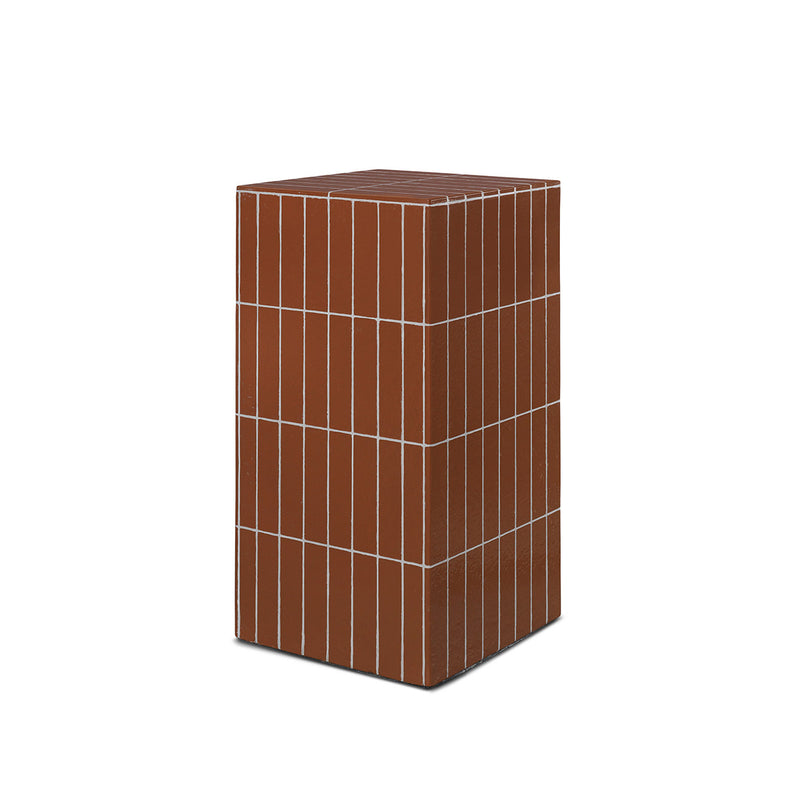
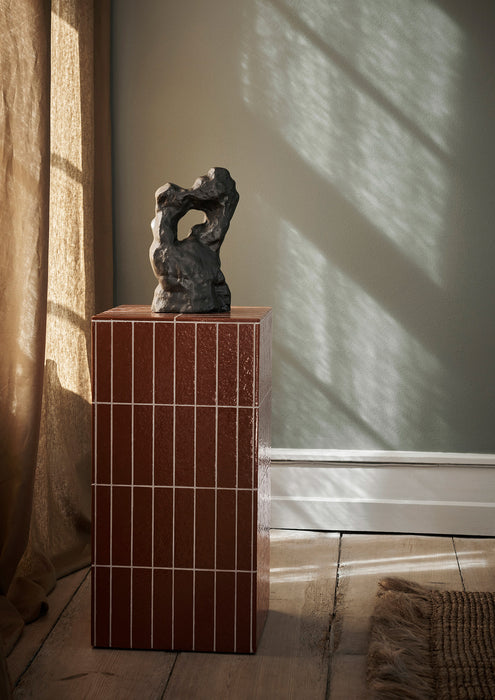
The architectural Pillar pedestal is made entirely of fiberglass-reinforced concrete. To give the piece a textured feel, grooves have been etched into the surface, creating a beautiful pattern reminiscent of tile. This sturdy pedestal has multiple uses, whether as an elegant plant stand, a versatile side table, or a striking nightstand.
Pedestal Pillar
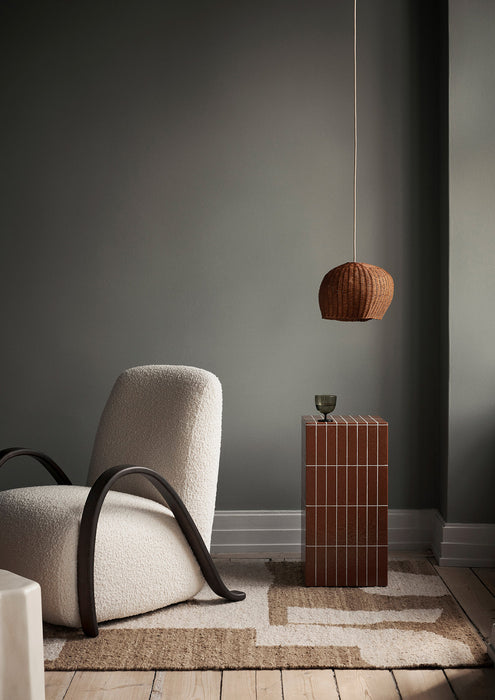
The architectural Pillar pedestal is made entirely of fiberglass-reinforced concrete. To give the piece a textured feel, grooves have been etched into the surface, creating a beautiful pattern reminiscent of tile. This sturdy pedestal has multiple uses, whether as an elegant plant stand, a versatile side table, or a striking nightstand.
Pedestal Pillar
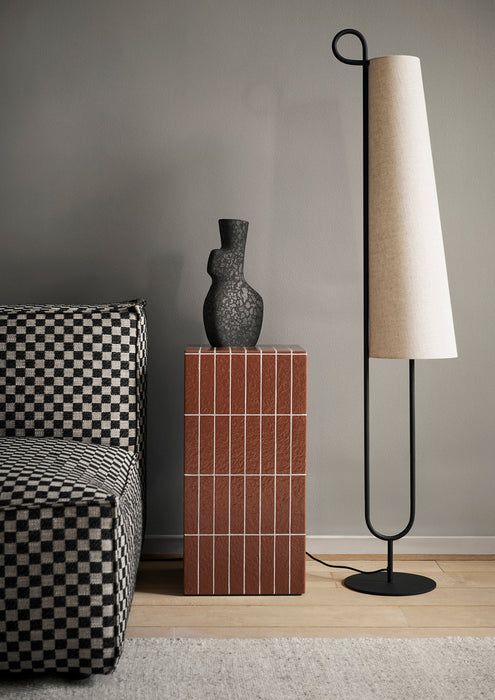
The architectural Pillar pedestal is made entirely of fiberglass-reinforced concrete. To give the piece a textured feel, grooves have been etched into the surface, creating a beautiful pattern reminiscent of tile. This sturdy pedestal has multiple uses, whether as an elegant plant stand, a versatile side table, or a striking nightstand.
Pedestal Pillar
The architectural Pillar pedestal is made entirely of fiberglass-reinforced concrete. To give the piece a textured feel, grooves have been etched into the surface, creating a beautiful pattern reminiscent of tile. This sturdy pedestal has multiple uses, whether as an elegant plant stand, a versatile side table, or a striking nightstand.
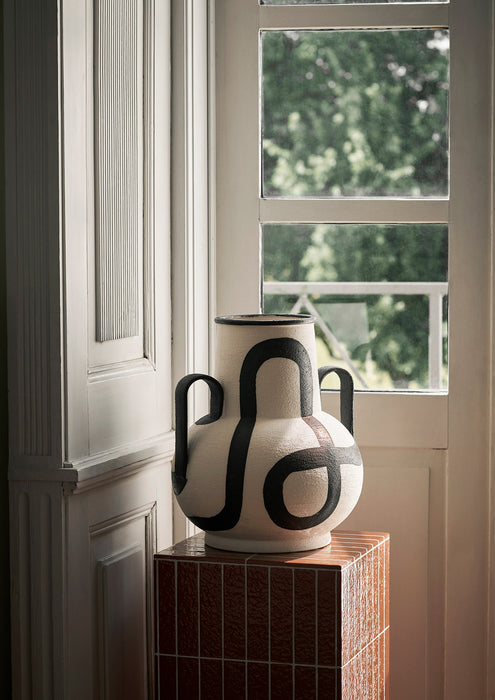
Pedestal Pillar
The architectural Pillar pedestal is made entirely of fiberglass-reinforced concrete. To give the piece a textured feel, grooves have been etched into the surface, creating a beautiful pattern reminiscent of tile. This sturdy pedestal has multiple uses, whether as an elegant plant stand, a versatile side table, or a striking nightstand.
Pedestal Pillar
The architectural Pillar pedestal is made entirely of fiberglass-reinforced concrete. To give the piece a textured feel, grooves have been etched into the surface, creating a beautiful pattern reminiscent of tile. This sturdy pedestal has multiple uses, whether as an elegant plant stand, a versatile side table, or a striking nightstand.
Pedestal Pillar
The architectural Pillar pedestal is made entirely of fiberglass-reinforced concrete. To give the piece a textured feel, grooves have been etched into the surface, creating a beautiful pattern reminiscent of tile. This sturdy pedestal has multiple uses, whether as an elegant plant stand, a versatile side table, or a striking nightstand.
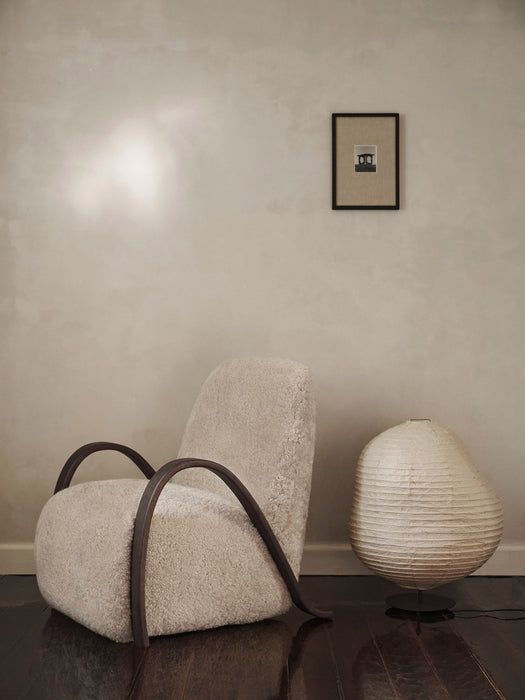
Buur Lounge Chair
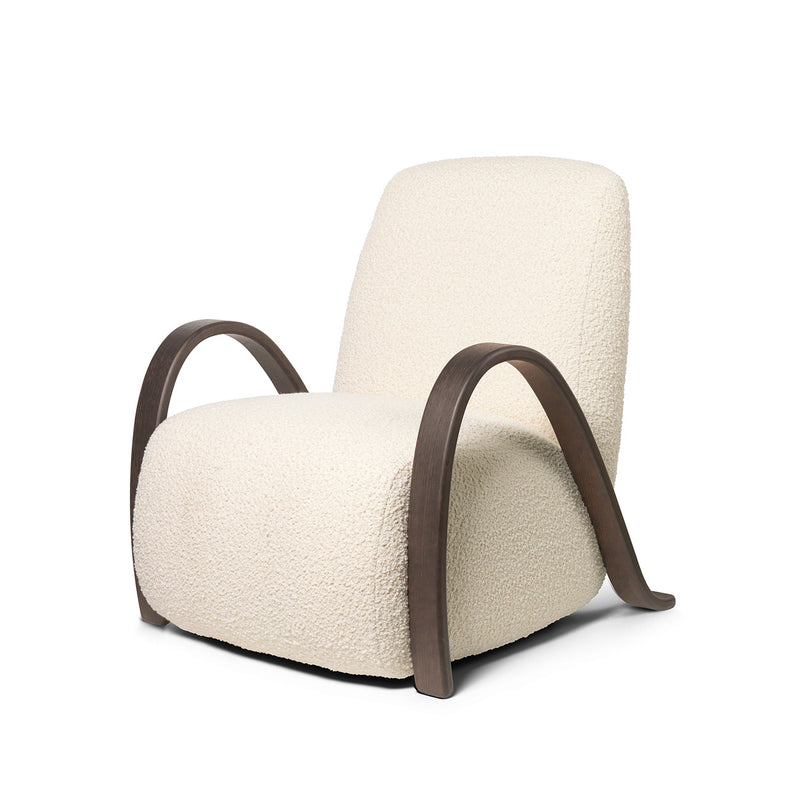
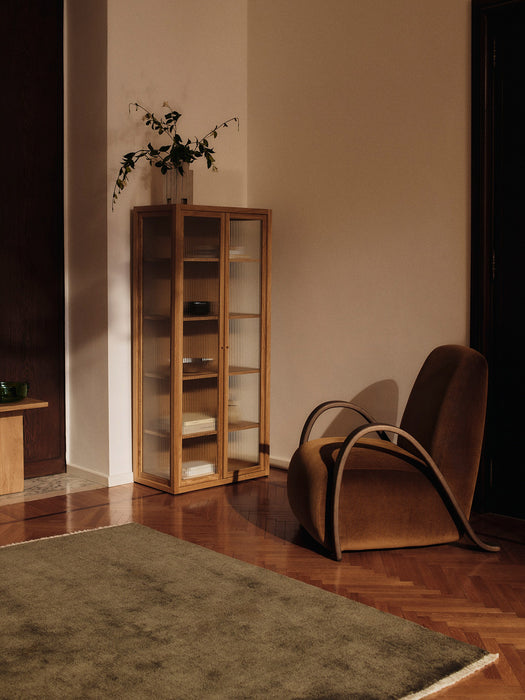
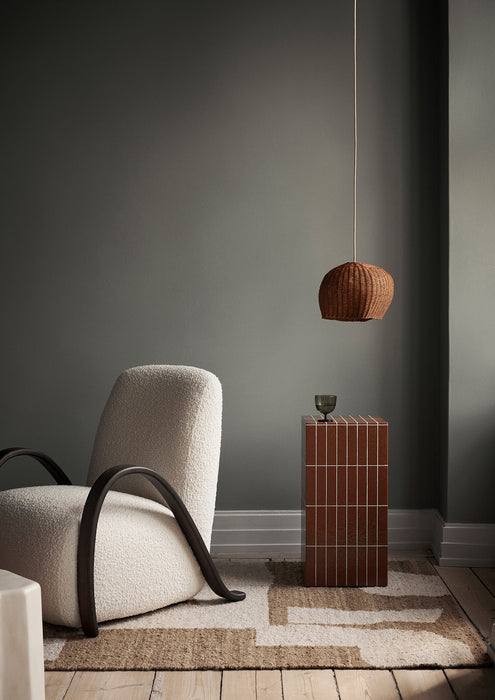
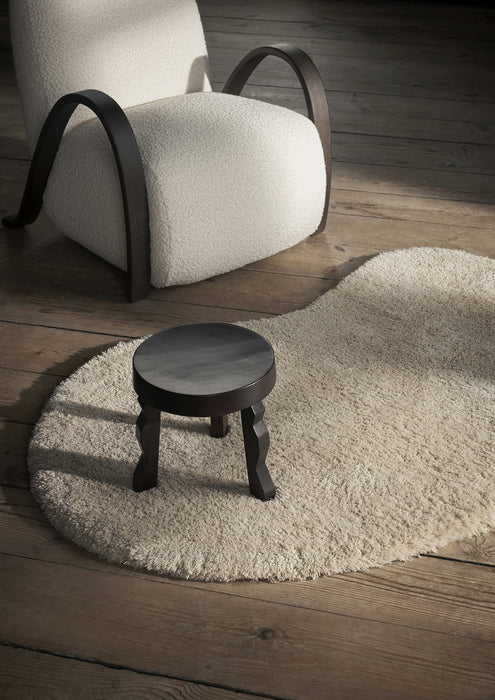
The Buur armchair effortlessly combines comfort and elegance, with a luxuriously padded seat and backrest. Designed in collaboration with Says Who, the armchair features distinctive curved armrests crafted from FSC™-certified oak that beautifully evoke natural movement, enhancing its rounded design. With its soft construction, the Buur armchair invites you to indulge in its luxurious upholstery and experience a truly enveloping embrace. With its vintage-inspired aesthetic, the Buur armchair is a show-stopping piece in any room.
Buur Lounge Chair
The Buur armchair effortlessly combines comfort and elegance, with a luxuriously padded seat and backrest. Designed in collaboration with Says Who, the armchair features distinctive curved armrests crafted from FSC™-certified oak that beautifully evoke natural movement, enhancing its rounded design. With its soft construction, the Buur armchair invites you to indulge in its luxurious upholstery and experience a truly enveloping embrace. With its vintage-inspired aesthetic, the Buur armchair is a show-stopping piece in any room.

Buur Lounge Chair
The Buur armchair effortlessly combines comfort and elegance, with a luxuriously padded seat and backrest. Designed in collaboration with Says Who, the armchair features distinctive curved armrests crafted from FSC™-certified oak that beautifully evoke natural movement, enhancing its rounded design. With its soft construction, the Buur armchair invites you to indulge in its luxurious upholstery and experience a truly enveloping embrace. With its vintage-inspired aesthetic, the Buur armchair is a show-stopping piece in any room.

Buur Lounge Chair
The Buur armchair effortlessly combines comfort and elegance, with a luxuriously padded seat and backrest. Designed in collaboration with Says Who, the armchair features distinctive curved armrests crafted from FSC™-certified oak that beautifully evoke natural movement, enhancing its rounded design. With its soft construction, the Buur armchair invites you to indulge in its luxurious upholstery and experience a truly enveloping embrace. With its vintage-inspired aesthetic, the Buur armchair is a show-stopping piece in any room.

Buur Lounge Chair
The Buur armchair effortlessly combines comfort and elegance, with a luxuriously padded seat and backrest. Designed in collaboration with Says Who, the armchair features distinctive curved armrests crafted from FSC™-certified oak that beautifully evoke natural movement, enhancing its rounded design. With its soft construction, the Buur armchair invites you to indulge in its luxurious upholstery and experience a truly enveloping embrace. With its vintage-inspired aesthetic, the Buur armchair is a show-stopping piece in any room.

Buur Lounge Chair
The Buur armchair effortlessly combines comfort and elegance, with a luxuriously padded seat and backrest. Designed in collaboration with Says Who, the armchair features distinctive curved armrests crafted from FSC™-certified oak that beautifully evoke natural movement, enhancing its rounded design. With its soft construction, the Buur armchair invites you to indulge in its luxurious upholstery and experience a truly enveloping embrace. With its vintage-inspired aesthetic, the Buur armchair is a show-stopping piece in any room.

Buur Lounge Chair
The Buur armchair effortlessly combines comfort and elegance, with a luxuriously padded seat and backrest. Designed in collaboration with Says Who, the armchair features distinctive curved armrests crafted from FSC™-certified oak that beautifully evoke natural movement, enhancing its rounded design. With its soft construction, the Buur armchair invites you to indulge in its luxurious upholstery and experience a truly enveloping embrace. With its vintage-inspired aesthetic, the Buur armchair is a show-stopping piece in any room.

Buur Lounge Chair
The Buur armchair effortlessly combines comfort and elegance, with a luxuriously padded seat and backrest. Designed in collaboration with Says Who, the armchair features distinctive curved armrests crafted from FSC™-certified oak that beautifully evoke natural movement, enhancing its rounded design. With its soft construction, the Buur armchair invites you to indulge in its luxurious upholstery and experience a truly enveloping embrace. With its vintage-inspired aesthetic, the Buur armchair is a show-stopping piece in any room.

Buur Lounge Chair
The Buur armchair effortlessly combines comfort and elegance, with a luxuriously padded seat and backrest. Designed in collaboration with Says Who, the armchair features distinctive curved armrests crafted from FSC™-certified oak that beautifully evoke natural movement, enhancing its rounded design. With its soft construction, the Buur armchair invites you to indulge in its luxurious upholstery and experience a truly enveloping embrace. With its vintage-inspired aesthetic, the Buur armchair is a show-stopping piece in any room.
Buur Lounge Chair
The Buur armchair effortlessly combines comfort and elegance, with a luxuriously padded seat and backrest. Designed in collaboration with Says Who, the armchair features distinctive curved armrests crafted from FSC™-certified oak that beautifully evoke natural movement, enhancing its rounded design. With its soft construction, the Buur armchair invites you to indulge in its luxurious upholstery and experience a truly enveloping embrace. With its vintage-inspired aesthetic, the Buur armchair is a show-stopping piece in any room.
Buur Lounge Chair
The Buur armchair effortlessly combines comfort and elegance, with a luxuriously padded seat and backrest. Designed in collaboration with Says Who, the armchair features distinctive curved armrests crafted from FSC™-certified oak that beautifully evoke natural movement, enhancing its rounded design. With its soft construction, the Buur armchair invites you to indulge in its luxurious upholstery and experience a truly enveloping embrace. With its vintage-inspired aesthetic, the Buur armchair is a show-stopping piece in any room.
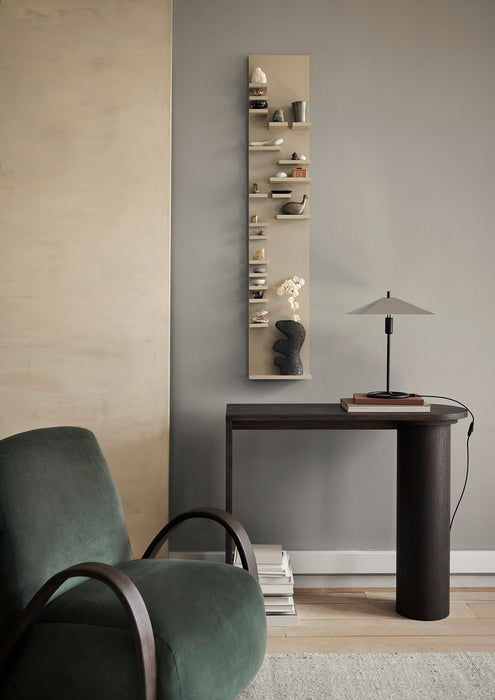
Buur Lounge Chair
The Buur armchair effortlessly combines comfort and elegance, with a luxuriously padded seat and backrest. Designed in collaboration with Says Who, the armchair features distinctive curved armrests crafted from FSC™-certified oak that beautifully evoke natural movement, enhancing its rounded design. With its soft construction, the Buur armchair invites you to indulge in its luxurious upholstery and experience a truly enveloping embrace. With its vintage-inspired aesthetic, the Buur armchair is a show-stopping piece in any room.
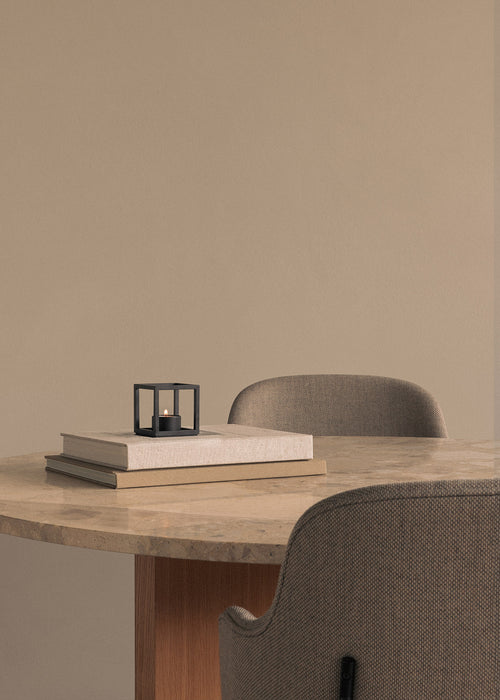
Kubus T Candle Holder
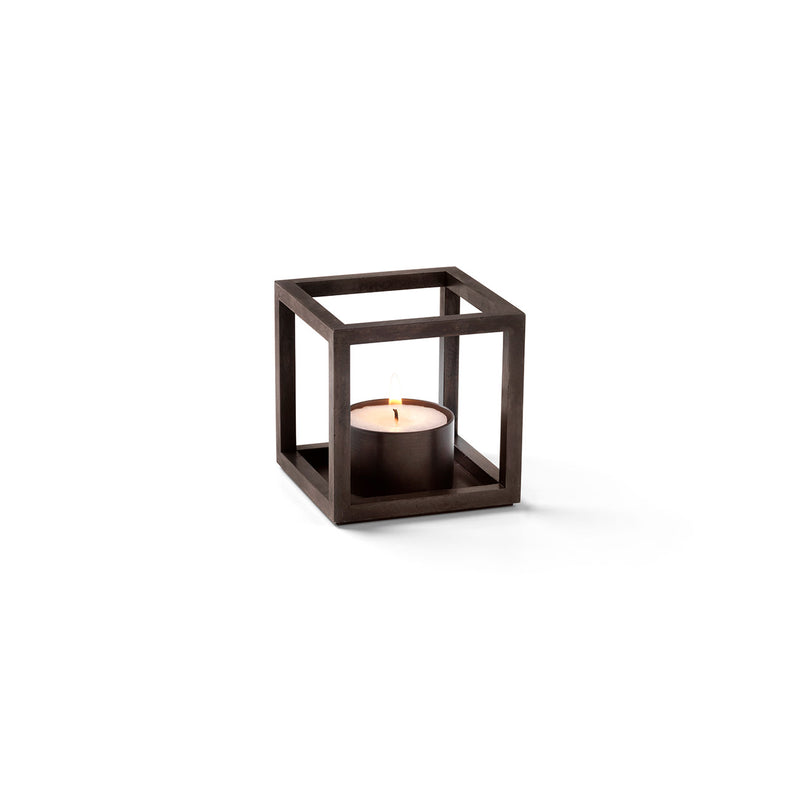
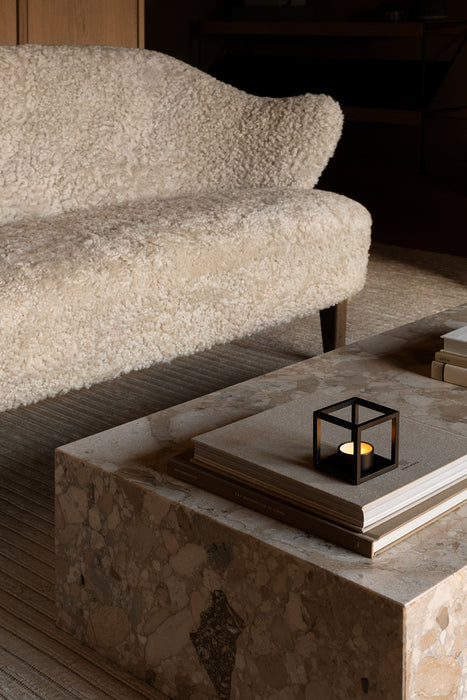
The Kubus T Candle Holder by Audo Copenhagen is a sculptural piece that transcends its functionality. Originally designed in 1962 by Mogens Lassen, this iconic object of Danish design encapsulates a pure architectural vision in its geometric form: straight lines, precise proportions, and an expression that balances form and silence.
Its matte-finished metal frame holds the candle in a restrained, almost graphic gesture, capable of transforming the environment with just a flick of a switch. Perfect for dining rooms, mantels, or side tables, the Kubus T is more than just a candle holder: it's a detail that reveals aesthetic sensitivity.
Selected by MIDIMAL for its timeless appeal and sculptural character, the Kubus T is a style statement for those who understand design as a way of living with intention. Available in a variety of finishes to blend harmoniously into any contemporary interior.
Discover more pieces from the Kubus collection in the Audo Copenhagen selection at MIDIMAL and transform the everyday into essential design.
Kubus T Candle Holder
The Kubus T Candle Holder by Audo Copenhagen is a sculptural piece that transcends its functionality. Originally designed in 1962 by Mogens Lassen, this iconic object of Danish design encapsulates a pure architectural vision in its geometric form: straight lines, precise proportions, and an expression that balances form and silence.
Its matte-finished metal frame holds the candle in a restrained, almost graphic gesture, capable of transforming the environment with just a flick of a switch. Perfect for dining rooms, mantels, or side tables, the Kubus T is more than just a candle holder: it's a detail that reveals aesthetic sensitivity.
Selected by MIDIMAL for its timeless appeal and sculptural character, the Kubus T is a style statement for those who understand design as a way of living with intention. Available in a variety of finishes to blend harmoniously into any contemporary interior.
Discover more pieces from the Kubus collection in the Audo Copenhagen selection at MIDIMAL and transform the everyday into essential design.
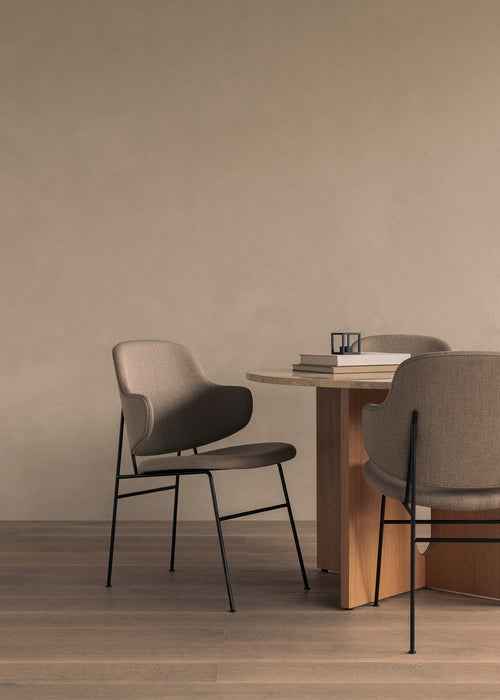
Kubus T Candle Holder
The Kubus T Candle Holder by Audo Copenhagen is a sculptural piece that transcends its functionality. Originally designed in 1962 by Mogens Lassen, this iconic object of Danish design encapsulates a pure architectural vision in its geometric form: straight lines, precise proportions, and an expression that balances form and silence.
Its matte-finished metal frame holds the candle in a restrained, almost graphic gesture, capable of transforming the environment with just a flick of a switch. Perfect for dining rooms, mantels, or side tables, the Kubus T is more than just a candle holder: it's a detail that reveals aesthetic sensitivity.
Selected by MIDIMAL for its timeless appeal and sculptural character, the Kubus T is a style statement for those who understand design as a way of living with intention. Available in a variety of finishes to blend harmoniously into any contemporary interior.
Discover more pieces from the Kubus collection in the Audo Copenhagen selection at MIDIMAL and transform the everyday into essential design.
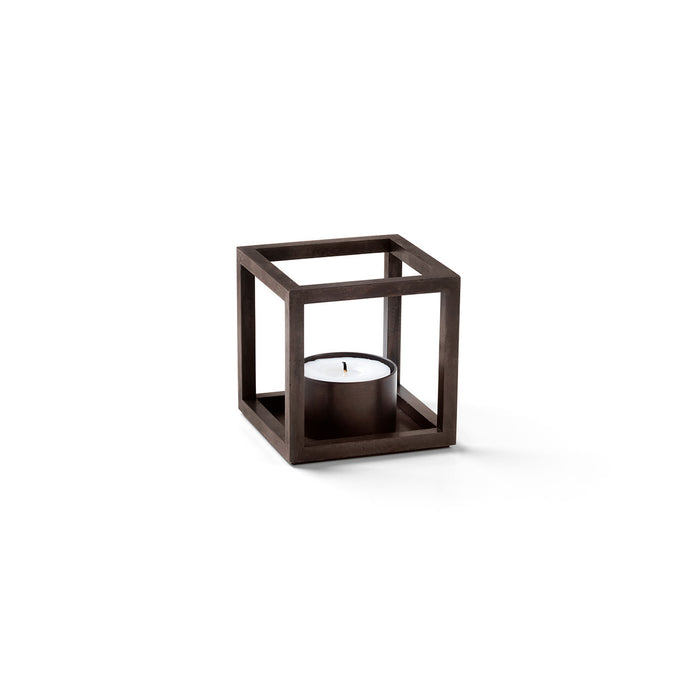
Kubus T Candle Holder
The Kubus T Candle Holder by Audo Copenhagen is a sculptural piece that transcends its functionality. Originally designed in 1962 by Mogens Lassen, this iconic object of Danish design encapsulates a pure architectural vision in its geometric form: straight lines, precise proportions, and an expression that balances form and silence.
Its matte-finished metal frame holds the candle in a restrained, almost graphic gesture, capable of transforming the environment with just a flick of a switch. Perfect for dining rooms, mantels, or side tables, the Kubus T is more than just a candle holder: it's a detail that reveals aesthetic sensitivity.
Selected by MIDIMAL for its timeless appeal and sculptural character, the Kubus T is a style statement for those who understand design as a way of living with intention. Available in a variety of finishes to blend harmoniously into any contemporary interior.
Discover more pieces from the Kubus collection in the Audo Copenhagen selection at MIDIMAL and transform the everyday into essential design.
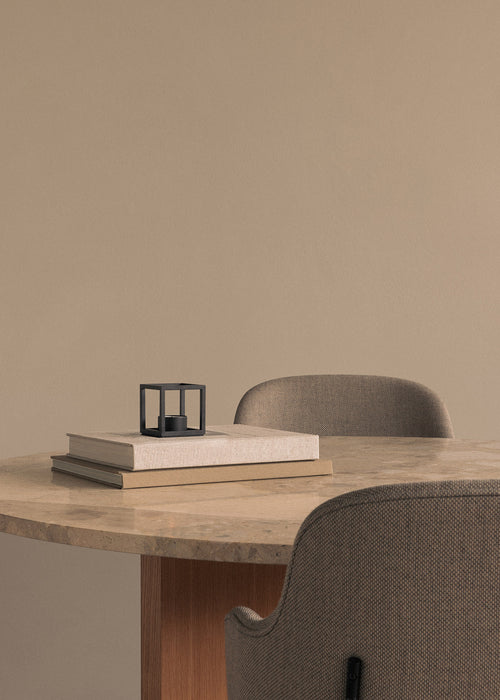
Kubus T Candle Holder
The Kubus T Candle Holder by Audo Copenhagen is a sculptural piece that transcends its functionality. Originally designed in 1962 by Mogens Lassen, this iconic object of Danish design encapsulates a pure architectural vision in its geometric form: straight lines, precise proportions, and an expression that balances form and silence.
Its matte-finished metal frame holds the candle in a restrained, almost graphic gesture, capable of transforming the environment with just a flick of a switch. Perfect for dining rooms, mantels, or side tables, the Kubus T is more than just a candle holder: it's a detail that reveals aesthetic sensitivity.
Selected by MIDIMAL for its timeless appeal and sculptural character, the Kubus T is a style statement for those who understand design as a way of living with intention. Available in a variety of finishes to blend harmoniously into any contemporary interior.
Discover more pieces from the Kubus collection in the Audo Copenhagen selection at MIDIMAL and transform the everyday into essential design.
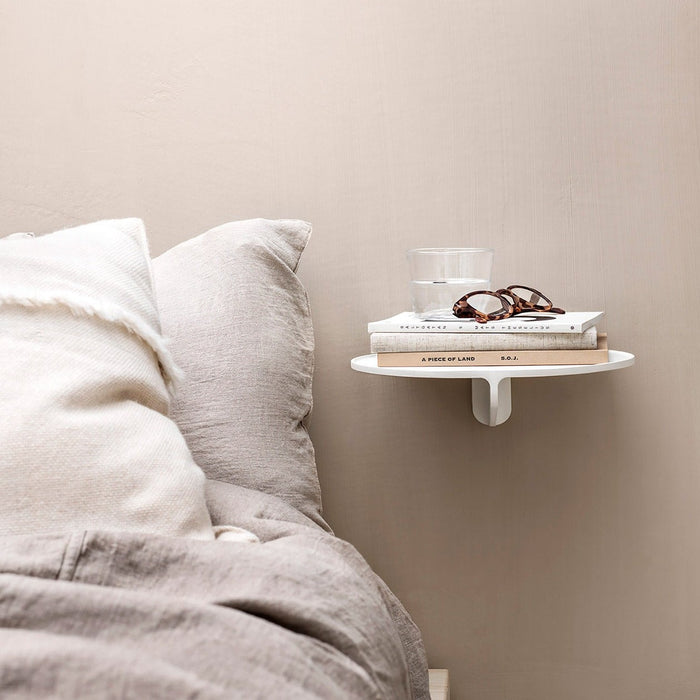

Museum Shelf NM&.045
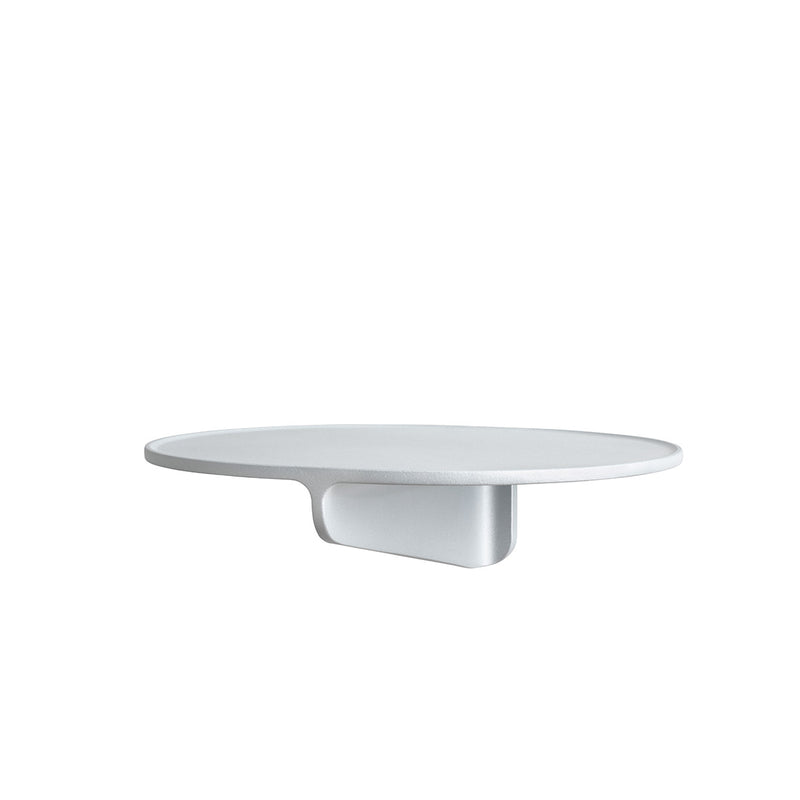
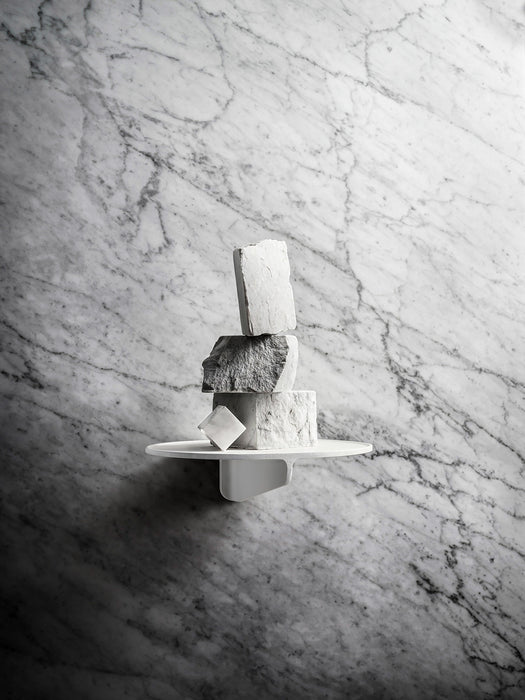
The NM&.045 Museum Shelf by String is a minimalist and functional console shelf. It was originally designed in 1962 by Nisse Strinning for the National Museum of Sweden, where it was used to display artwork in the museum's café and restaurant.
The shelf is made of aluminum. It consists of two side supports, a horizontal bar, and a shelf. The side supports are fixed to the wall with two screws. The horizontal bar is placed on the side supports, and the shelf is placed on the horizontal bar.
The NM&.045 shelf from the Museum collection is a versatile product that can be used as a nightstand, a side table, or a decorative display. It's a timeless piece that fits into any decor style.
It is available in five colors: white, aluminum, beige, orange and dark brown.
Museum Shelf NM&.045
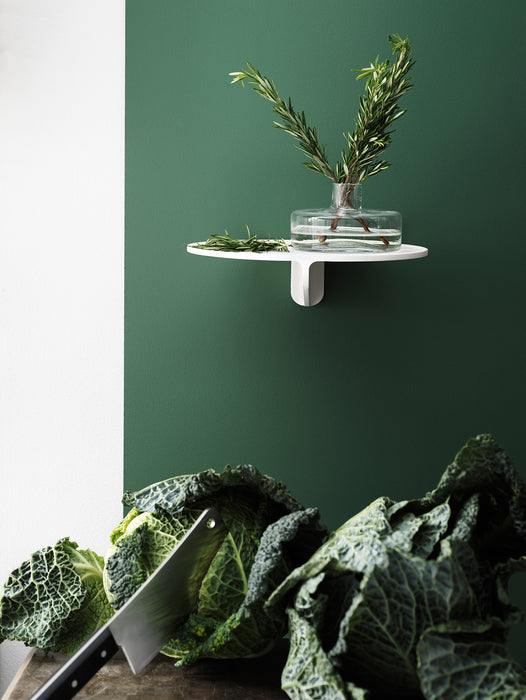
The NM&.045 Museum Shelf by String is a minimalist and functional console shelf. It was originally designed in 1962 by Nisse Strinning for the National Museum of Sweden, where it was used to display artwork in the museum's café and restaurant.
The shelf is made of aluminum. It consists of two side supports, a horizontal bar, and a shelf. The side supports are fixed to the wall with two screws. The horizontal bar is placed on the side supports, and the shelf is placed on the horizontal bar.
The NM&.045 shelf from the Museum collection is a versatile product that can be used as a nightstand, a side table, or a decorative display. It's a timeless piece that fits into any decor style.
It is available in five colors: white, aluminum, beige, orange and dark brown.
Museum Shelf NM&.045
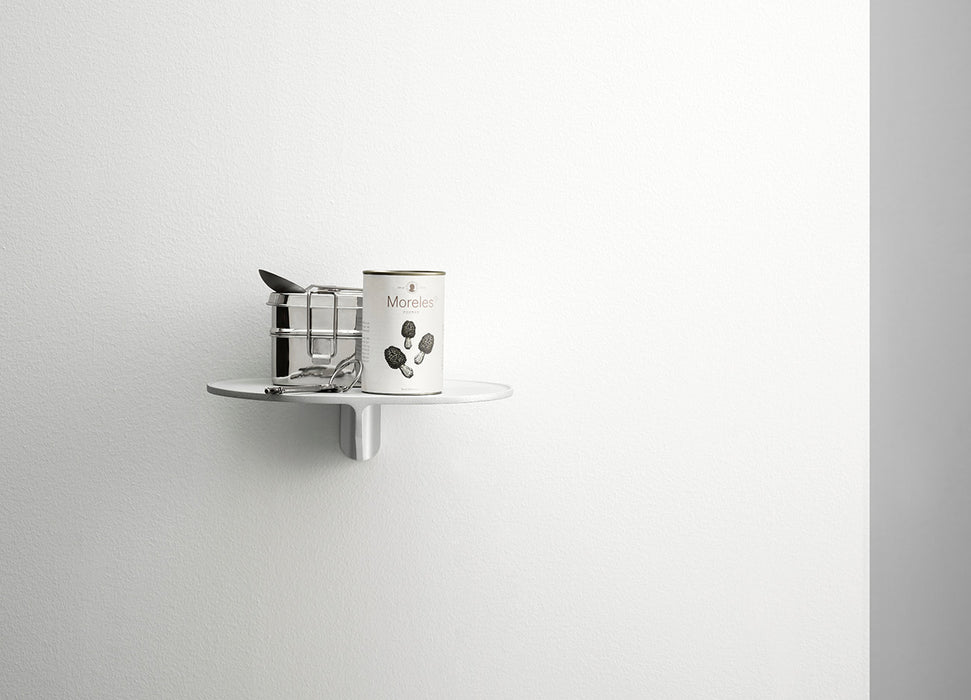
The NM&.045 Museum Shelf by String is a minimalist and functional console shelf. It was originally designed in 1962 by Nisse Strinning for the National Museum of Sweden, where it was used to display artwork in the museum's café and restaurant.
The shelf is made of aluminum. It consists of two side supports, a horizontal bar, and a shelf. The side supports are fixed to the wall with two screws. The horizontal bar is placed on the side supports, and the shelf is placed on the horizontal bar.
The NM&.045 shelf from the Museum collection is a versatile product that can be used as a nightstand, a side table, or a decorative display. It's a timeless piece that fits into any decor style.
It is available in five colors: white, aluminum, beige, orange and dark brown.
Museum Shelf NM&.045
The NM&.045 Museum Shelf by String is a minimalist and functional console shelf. It was originally designed in 1962 by Nisse Strinning for the National Museum of Sweden, where it was used to display artwork in the museum's café and restaurant.
The shelf is made of aluminum. It consists of two side supports, a horizontal bar, and a shelf. The side supports are fixed to the wall with two screws. The horizontal bar is placed on the side supports, and the shelf is placed on the horizontal bar.
The NM&.045 shelf from the Museum collection is a versatile product that can be used as a nightstand, a side table, or a decorative display. It's a timeless piece that fits into any decor style.
It is available in five colors: white, aluminum, beige, orange and dark brown.
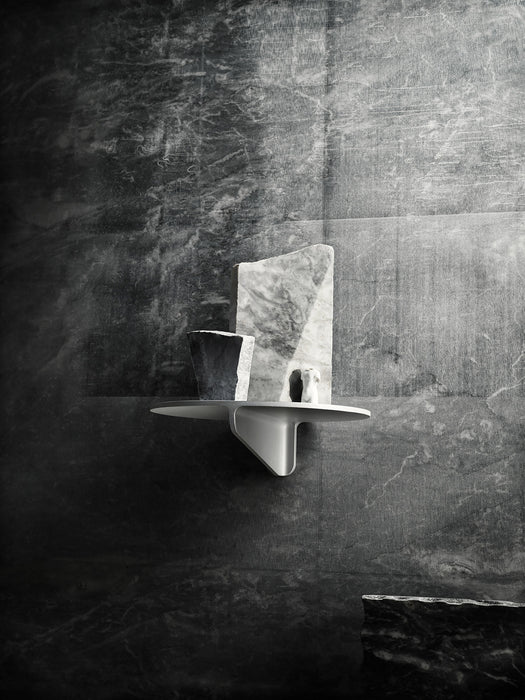
Museum Shelf NM&.045
The NM&.045 Museum Shelf by String is a minimalist and functional console shelf. It was originally designed in 1962 by Nisse Strinning for the National Museum of Sweden, where it was used to display artwork in the museum's café and restaurant.
The shelf is made of aluminum. It consists of two side supports, a horizontal bar, and a shelf. The side supports are fixed to the wall with two screws. The horizontal bar is placed on the side supports, and the shelf is placed on the horizontal bar.
The NM&.045 shelf from the Museum collection is a versatile product that can be used as a nightstand, a side table, or a decorative display. It's a timeless piece that fits into any decor style.
It is available in five colors: white, aluminum, beige, orange and dark brown.
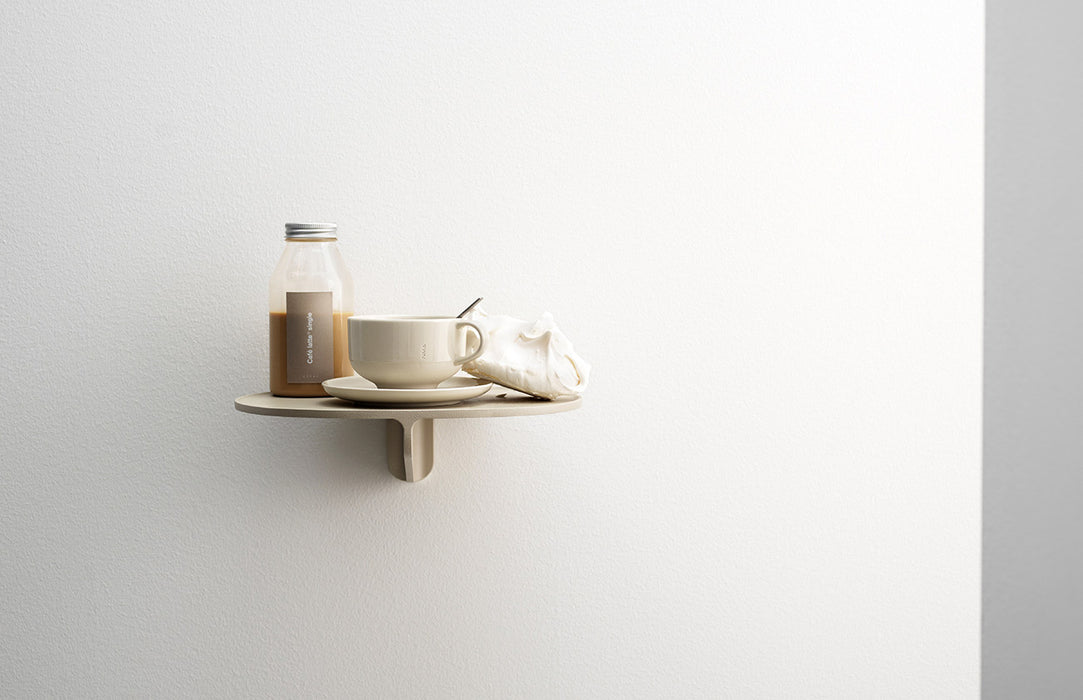
Museum Shelf NM&.045
The NM&.045 Museum Shelf by String is a minimalist and functional console shelf. It was originally designed in 1962 by Nisse Strinning for the National Museum of Sweden, where it was used to display artwork in the museum's café and restaurant.
The shelf is made of aluminum. It consists of two side supports, a horizontal bar, and a shelf. The side supports are fixed to the wall with two screws. The horizontal bar is placed on the side supports, and the shelf is placed on the horizontal bar.
The NM&.045 shelf from the Museum collection is a versatile product that can be used as a nightstand, a side table, or a decorative display. It's a timeless piece that fits into any decor style.
It is available in five colors: white, aluminum, beige, orange and dark brown.
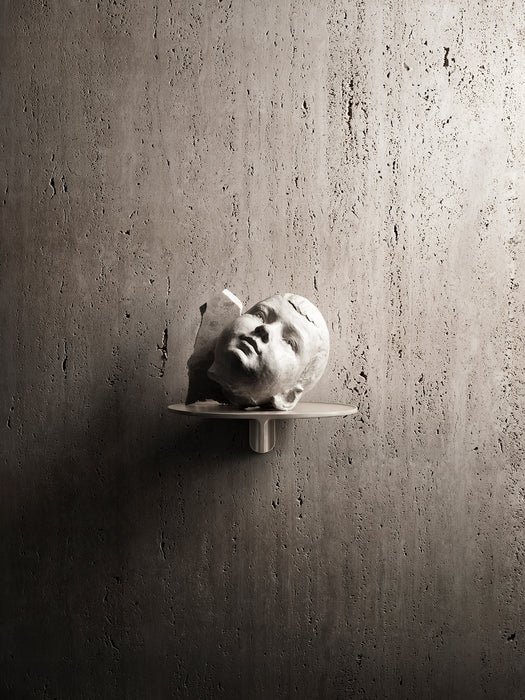
Museum Shelf NM&.045
The NM&.045 Museum Shelf by String is a minimalist and functional console shelf. It was originally designed in 1962 by Nisse Strinning for the National Museum of Sweden, where it was used to display artwork in the museum's café and restaurant.
The shelf is made of aluminum. It consists of two side supports, a horizontal bar, and a shelf. The side supports are fixed to the wall with two screws. The horizontal bar is placed on the side supports, and the shelf is placed on the horizontal bar.
The NM&.045 shelf from the Museum collection is a versatile product that can be used as a nightstand, a side table, or a decorative display. It's a timeless piece that fits into any decor style.
It is available in five colors: white, aluminum, beige, orange and dark brown.
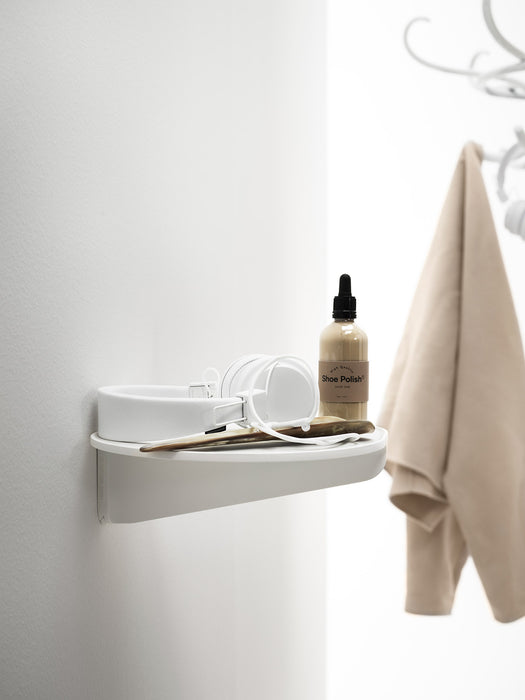
Museum Shelf NM&.045
The NM&.045 Museum Shelf by String is a minimalist and functional console shelf. It was originally designed in 1962 by Nisse Strinning for the National Museum of Sweden, where it was used to display artwork in the museum's café and restaurant.
The shelf is made of aluminum. It consists of two side supports, a horizontal bar, and a shelf. The side supports are fixed to the wall with two screws. The horizontal bar is placed on the side supports, and the shelf is placed on the horizontal bar.
The NM&.045 shelf from the Museum collection is a versatile product that can be used as a nightstand, a side table, or a decorative display. It's a timeless piece that fits into any decor style.
It is available in five colors: white, aluminum, beige, orange and dark brown.
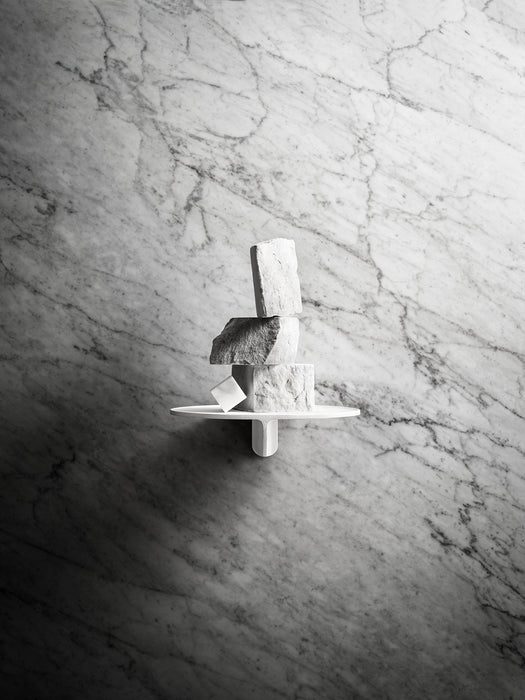
Museum Shelf NM&.045
The NM&.045 Museum Shelf by String is a minimalist and functional console shelf. It was originally designed in 1962 by Nisse Strinning for the National Museum of Sweden, where it was used to display artwork in the museum's café and restaurant.
The shelf is made of aluminum. It consists of two side supports, a horizontal bar, and a shelf. The side supports are fixed to the wall with two screws. The horizontal bar is placed on the side supports, and the shelf is placed on the horizontal bar.
The NM&.045 shelf from the Museum collection is a versatile product that can be used as a nightstand, a side table, or a decorative display. It's a timeless piece that fits into any decor style.
It is available in five colors: white, aluminum, beige, orange and dark brown.
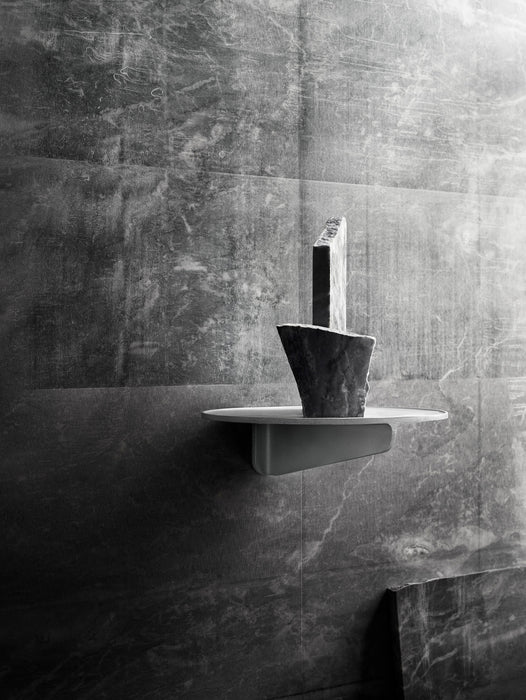
Museum Shelf NM&.045
The NM&.045 Museum Shelf by String is a minimalist and functional console shelf. It was originally designed in 1962 by Nisse Strinning for the National Museum of Sweden, where it was used to display artwork in the museum's café and restaurant.
The shelf is made of aluminum. It consists of two side supports, a horizontal bar, and a shelf. The side supports are fixed to the wall with two screws. The horizontal bar is placed on the side supports, and the shelf is placed on the horizontal bar.
The NM&.045 shelf from the Museum collection is a versatile product that can be used as a nightstand, a side table, or a decorative display. It's a timeless piece that fits into any decor style.
It is available in five colors: white, aluminum, beige, orange and dark brown.
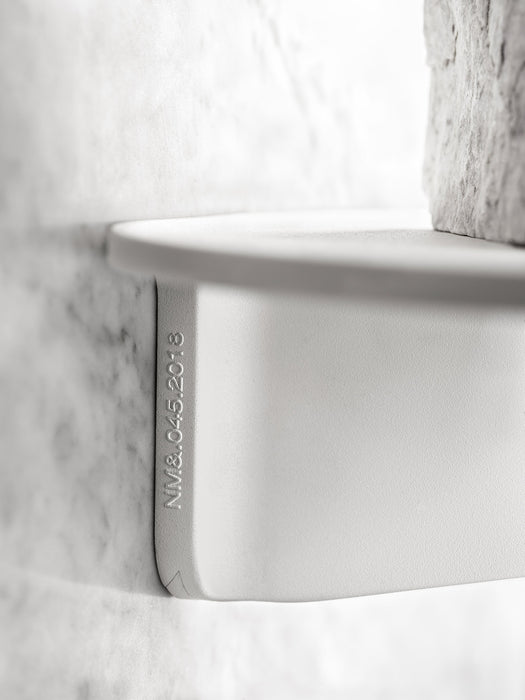
Museum Shelf NM&.045
The NM&.045 Museum Shelf by String is a minimalist and functional console shelf. It was originally designed in 1962 by Nisse Strinning for the National Museum of Sweden, where it was used to display artwork in the museum's café and restaurant.
The shelf is made of aluminum. It consists of two side supports, a horizontal bar, and a shelf. The side supports are fixed to the wall with two screws. The horizontal bar is placed on the side supports, and the shelf is placed on the horizontal bar.
The NM&.045 shelf from the Museum collection is a versatile product that can be used as a nightstand, a side table, or a decorative display. It's a timeless piece that fits into any decor style.
It is available in five colors: white, aluminum, beige, orange and dark brown.
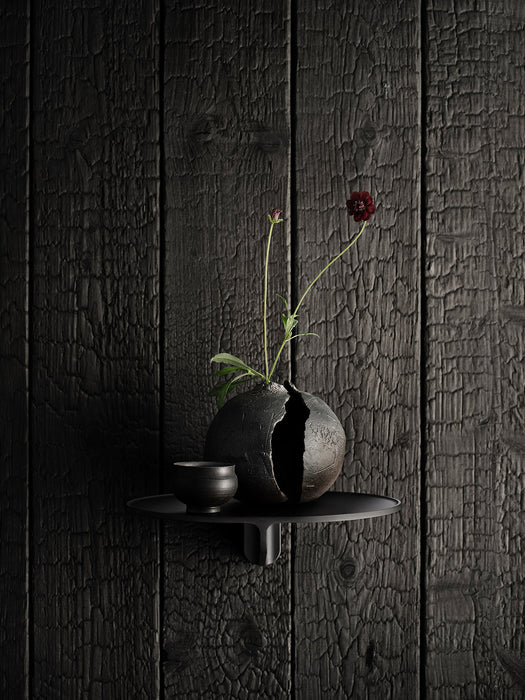
Museum Shelf NM&.045
The NM&.045 Museum Shelf by String is a minimalist and functional console shelf. It was originally designed in 1962 by Nisse Strinning for the National Museum of Sweden, where it was used to display artwork in the museum's café and restaurant.
The shelf is made of aluminum. It consists of two side supports, a horizontal bar, and a shelf. The side supports are fixed to the wall with two screws. The horizontal bar is placed on the side supports, and the shelf is placed on the horizontal bar.
The NM&.045 shelf from the Museum collection is a versatile product that can be used as a nightstand, a side table, or a decorative display. It's a timeless piece that fits into any decor style.
It is available in five colors: white, aluminum, beige, orange and dark brown.
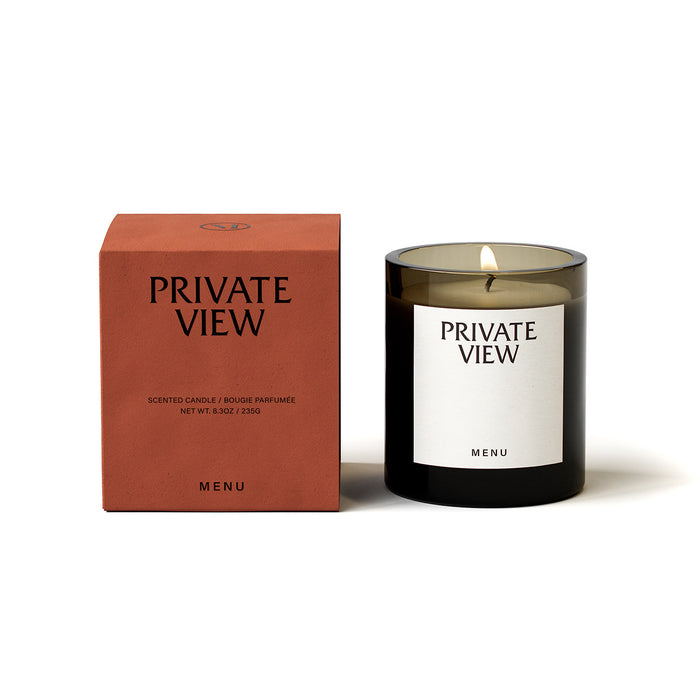
Olfacte Private View Scented Candle
This romantic scent is designed for our most intimate spaces. Private View achieves connection: mind, body, and desire. Tangerine zest meets a veil of smoky palo santo and earthy vetiver, layered with earthy leather and delicate vanilla nuances.
Each candle is responsibly crafted with natural essential oils and plant-based wax. Free of parabens and phthalates.
Olfactory notes
Top notes: eucalyptus, mandarin zest.
Middle notes: patchouli, vetiver, cypress.
Base notes: leather, palo santo, vanilla, cedar wood.

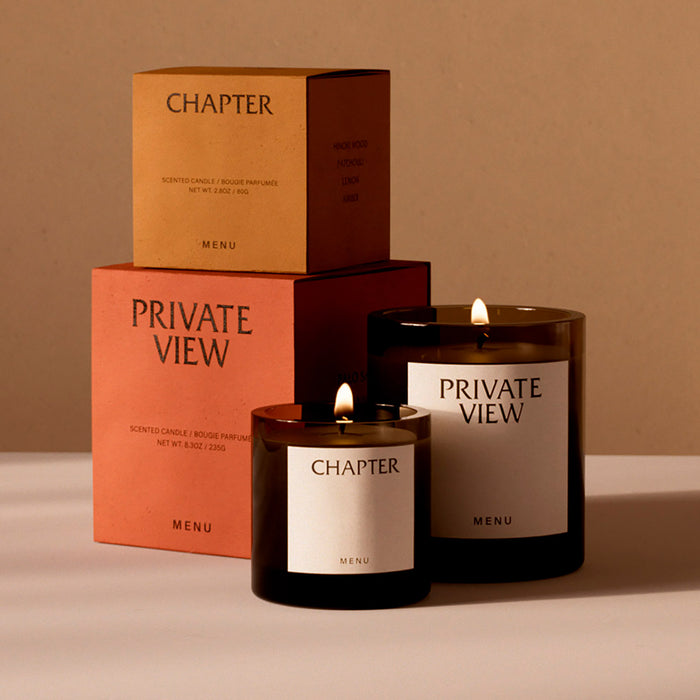
Olfacte Private View Scented Candle
This romantic scent is designed for our most intimate spaces. Private View achieves connection: mind, body, and desire. Tangerine zest meets a veil of smoky palo santo and earthy vetiver, layered with earthy leather and delicate vanilla nuances.
Each candle is responsibly crafted with natural essential oils and plant-based wax. Free of parabens and phthalates.
Olfactory notes
Top notes: eucalyptus, mandarin zest.
Middle notes: patchouli, vetiver, cypress.
Base notes: leather, palo santo, vanilla, cedar wood.
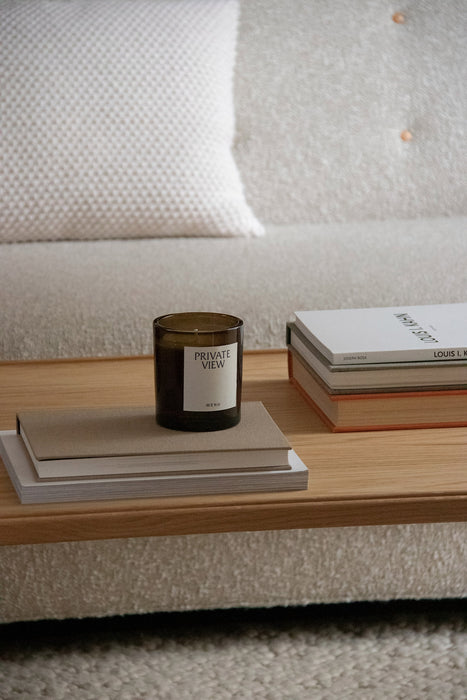
Olfacte Private View Scented Candle
This romantic scent is designed for our most intimate spaces. Private View achieves connection: mind, body, and desire. Tangerine zest meets a veil of smoky palo santo and earthy vetiver, layered with earthy leather and delicate vanilla nuances.
Each candle is responsibly crafted with natural essential oils and plant-based wax. Free of parabens and phthalates.
Olfactory notes
Top notes: eucalyptus, mandarin zest.
Middle notes: patchouli, vetiver, cypress.
Base notes: leather, palo santo, vanilla, cedar wood.
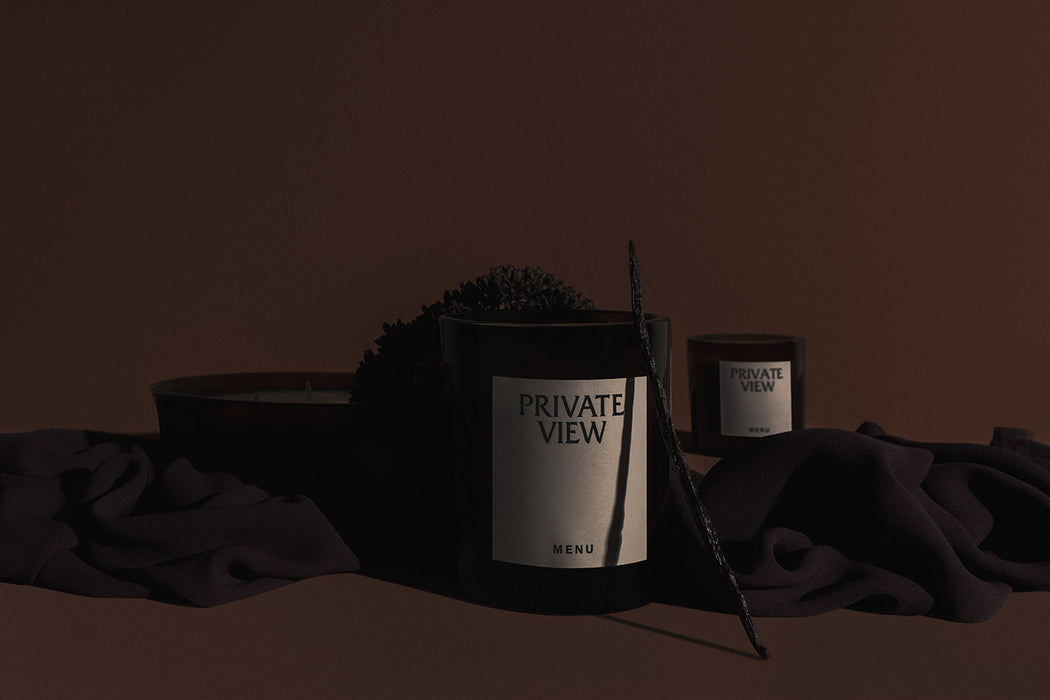
Olfacte Private View Scented Candle
This romantic scent is designed for our most intimate spaces. Private View achieves connection: mind, body, and desire. Tangerine zest meets a veil of smoky palo santo and earthy vetiver, layered with earthy leather and delicate vanilla nuances.
Each candle is responsibly crafted with natural essential oils and plant-based wax. Free of parabens and phthalates.
Olfactory notes
Top notes: eucalyptus, mandarin zest.
Middle notes: patchouli, vetiver, cypress.
Base notes: leather, palo santo, vanilla, cedar wood.
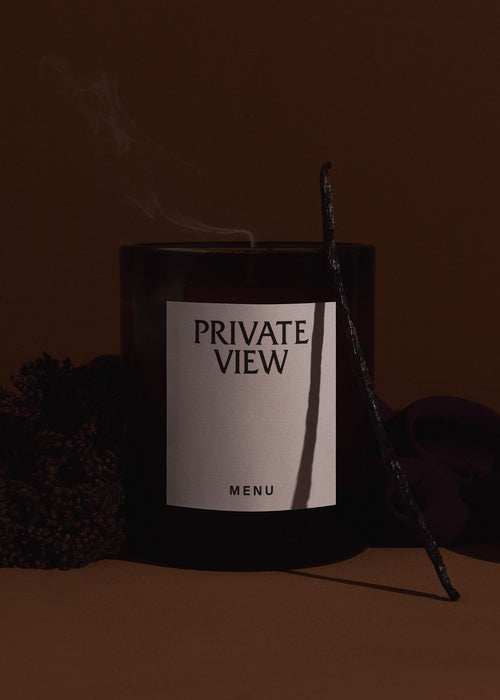
Olfacte Private View Scented Candle
This romantic scent is designed for our most intimate spaces. Private View achieves connection: mind, body, and desire. Tangerine zest meets a veil of smoky palo santo and earthy vetiver, layered with earthy leather and delicate vanilla nuances.
Each candle is responsibly crafted with natural essential oils and plant-based wax. Free of parabens and phthalates.
Olfactory notes
Top notes: eucalyptus, mandarin zest.
Middle notes: patchouli, vetiver, cypress.
Base notes: leather, palo santo, vanilla, cedar wood.
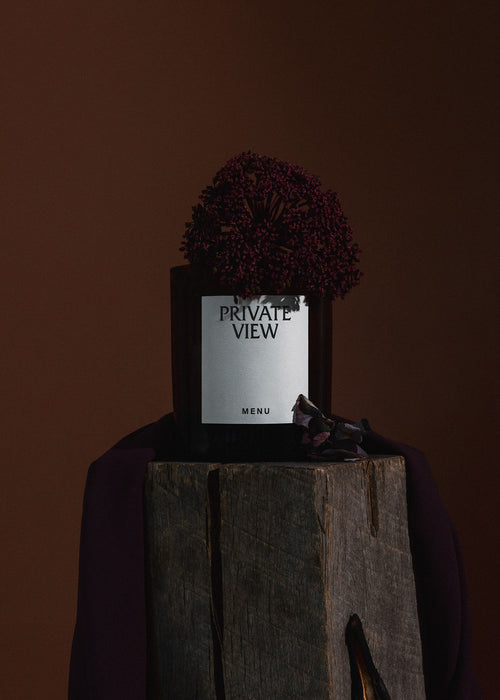
Olfacte Private View Scented Candle
This romantic scent is designed for our most intimate spaces. Private View achieves connection: mind, body, and desire. Tangerine zest meets a veil of smoky palo santo and earthy vetiver, layered with earthy leather and delicate vanilla nuances.
Each candle is responsibly crafted with natural essential oils and plant-based wax. Free of parabens and phthalates.
Olfactory notes
Top notes: eucalyptus, mandarin zest.
Middle notes: patchouli, vetiver, cypress.
Base notes: leather, palo santo, vanilla, cedar wood.
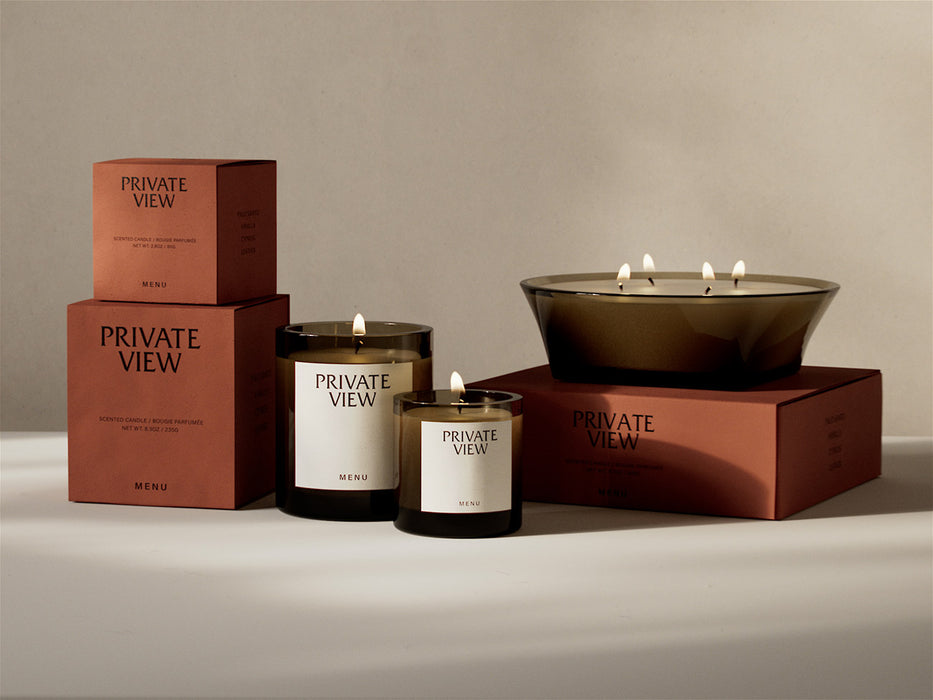
Olfacte Private View Scented Candle
This romantic scent is designed for our most intimate spaces. Private View achieves connection: mind, body, and desire. Tangerine zest meets a veil of smoky palo santo and earthy vetiver, layered with earthy leather and delicate vanilla nuances.
Each candle is responsibly crafted with natural essential oils and plant-based wax. Free of parabens and phthalates.
Olfactory notes
Top notes: eucalyptus, mandarin zest.
Middle notes: patchouli, vetiver, cypress.
Base notes: leather, palo santo, vanilla, cedar wood.
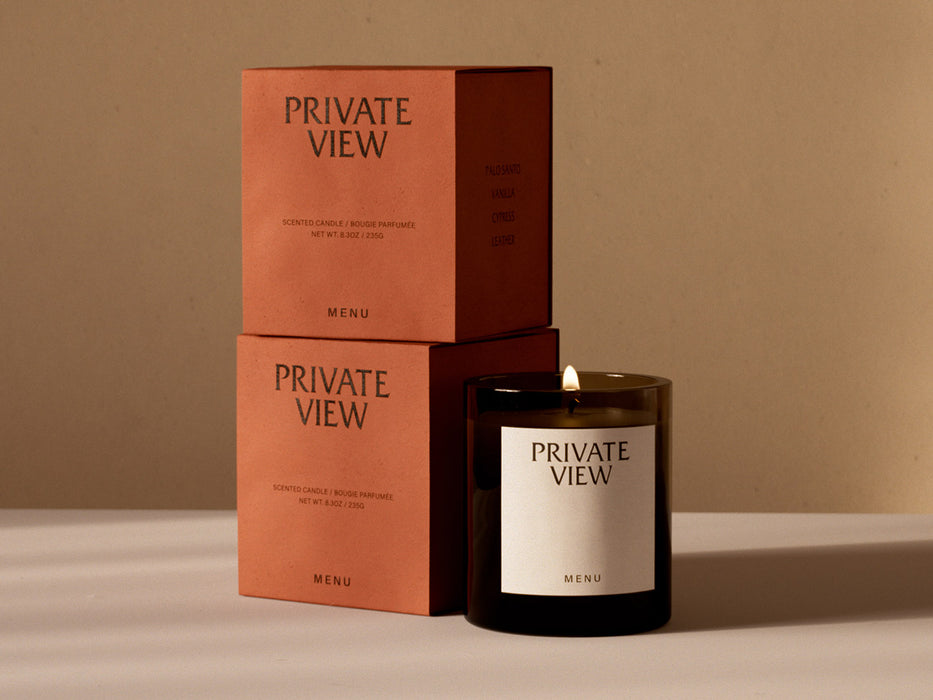
Olfacte Private View Scented Candle
This romantic scent is designed for our most intimate spaces. Private View achieves connection: mind, body, and desire. Tangerine zest meets a veil of smoky palo santo and earthy vetiver, layered with earthy leather and delicate vanilla nuances.
Each candle is responsibly crafted with natural essential oils and plant-based wax. Free of parabens and phthalates.
Olfactory notes
Top notes: eucalyptus, mandarin zest.
Middle notes: patchouli, vetiver, cypress.
Base notes: leather, palo santo, vanilla, cedar wood.
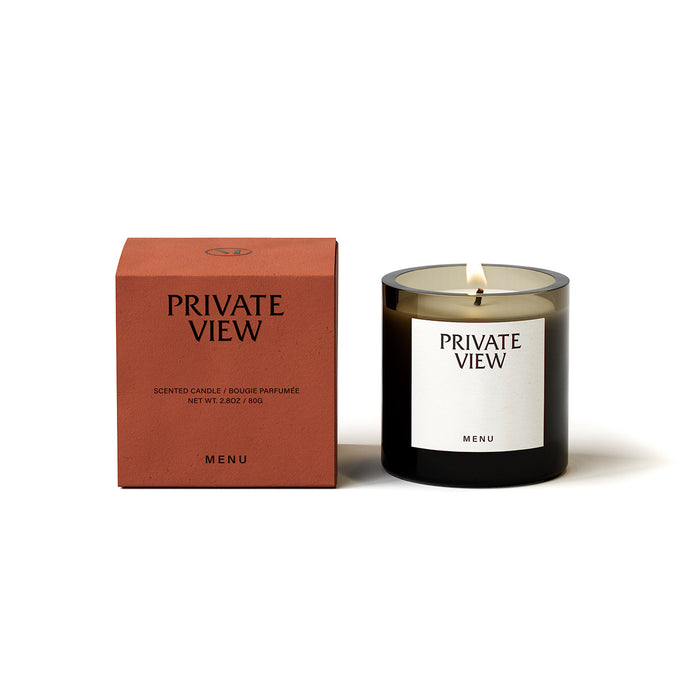
Olfacte Private View Scented Candle
This romantic scent is designed for our most intimate spaces. Private View achieves connection: mind, body, and desire. Tangerine zest meets a veil of smoky palo santo and earthy vetiver, layered with earthy leather and delicate vanilla nuances.
Each candle is responsibly crafted with natural essential oils and plant-based wax. Free of parabens and phthalates.
Olfactory notes
Top notes: eucalyptus, mandarin zest.
Middle notes: patchouli, vetiver, cypress.
Base notes: leather, palo santo, vanilla, cedar wood.
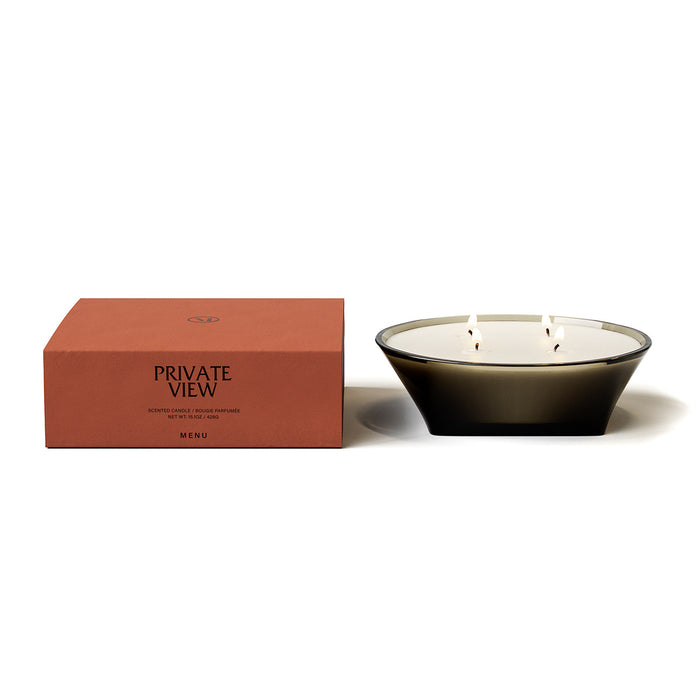
Olfacte Private View Scented Candle
This romantic scent is designed for our most intimate spaces. Private View achieves connection: mind, body, and desire. Tangerine zest meets a veil of smoky palo santo and earthy vetiver, layered with earthy leather and delicate vanilla nuances.
Each candle is responsibly crafted with natural essential oils and plant-based wax. Free of parabens and phthalates.
Olfactory notes
Top notes: eucalyptus, mandarin zest.
Middle notes: patchouli, vetiver, cypress.
Base notes: leather, palo santo, vanilla, cedar wood.
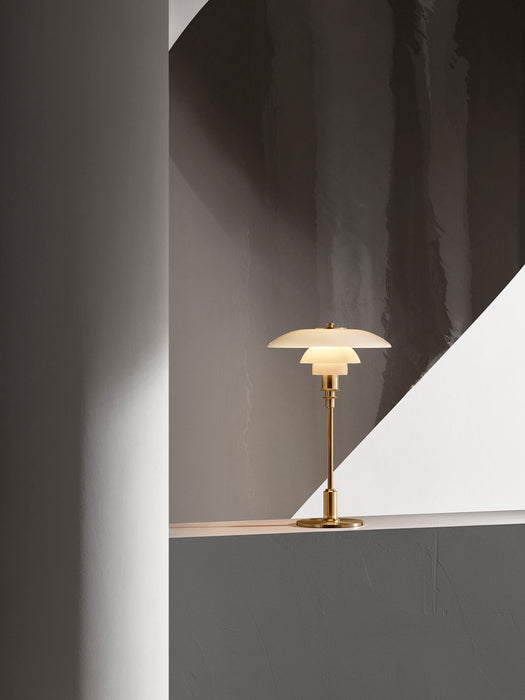
Table Lamp PH 3/2
Poul Henningsen designed the three-shade system in 1925-1926. Together with Louis Poulsen, PH designed the first lamps using this system for an exhibition in Paris. Their collaboration continued until his death in 1967. Throughout his life, PH sought to create direct, glare-free lighting where it was most needed. He also used incandescent bulbs as a light source to create soft shadows.
The PH 3/2 Table Lamp is part of the three-shade family, which currently comprises 30 lights, including three for outdoor use. PH therefore didn't simply design one light but an entire system; over the years, around 1,000 different models have been created. This wide selection included table lamps, floor lamps, and wall lights, as well as a series of chandeliers that were very popular in the 1930s for illuminating private homes with high ceilings. There were endless possible combinations. The lights came in different colors and sizes. The first shades were made of metal, with an inner surface painted white, gold, or silver, depending on whether a diffused, warm, or cool light was desired. Later, glass began to be used for the three-shade system. In addition to projecting light downwards, the glass lamps illuminated the rest of the room.
PH was the first to apply a scientific approach to light and base it on the Lituus curve. By using a design based on the Lituus curve, he achieved an even distribution of light across the entire curve of the screen. This even distribution, along with diffuse reflection through the glass, made it possible to control glare and shadows. Each screen reduces the amount of light equally thanks to its distance from the light source.
*This product is usually in stock and delivers within 3 to 5 days. Occasionally, some versions may require a delivery time of several weeks. If this is the case, we will notify you immediately.
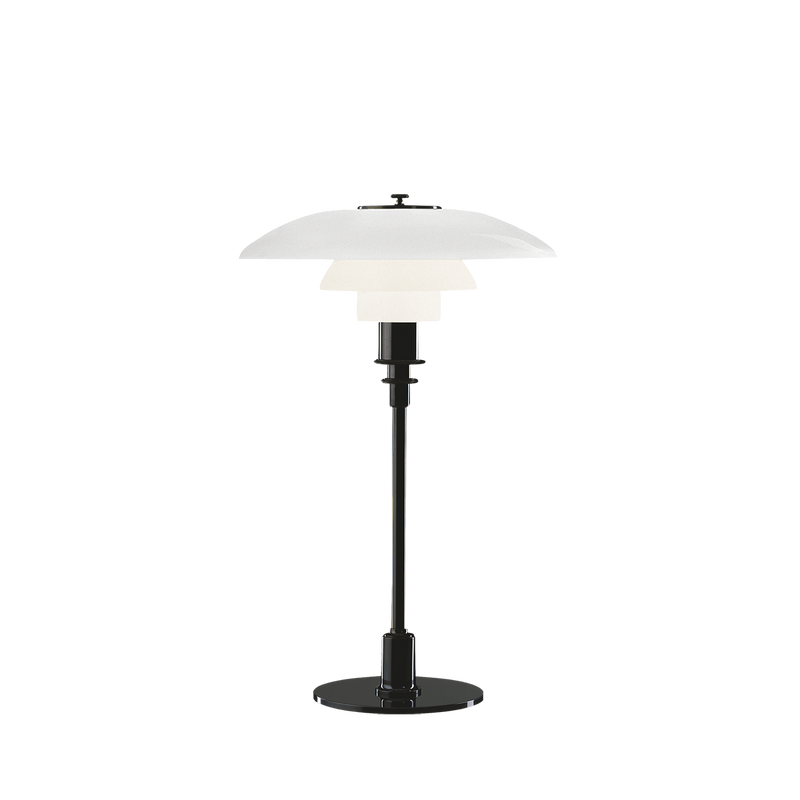
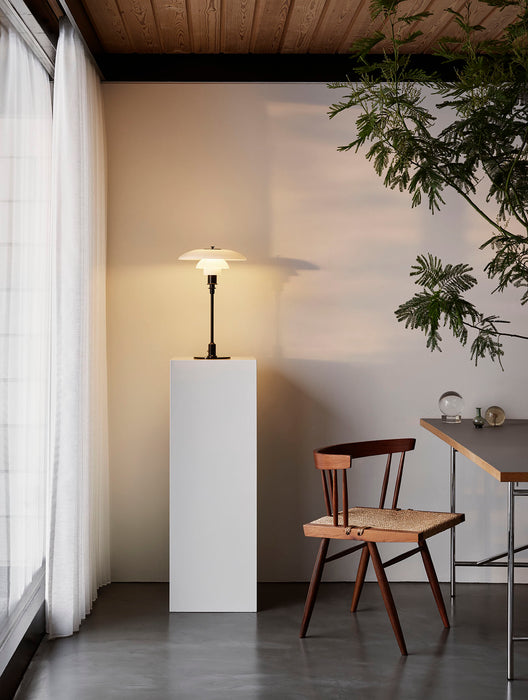
Table Lamp PH 3/2
Poul Henningsen designed the three-shade system in 1925-1926. Together with Louis Poulsen, PH designed the first lamps using this system for an exhibition in Paris. Their collaboration continued until his death in 1967. Throughout his life, PH sought to create direct, glare-free lighting where it was most needed. He also used incandescent bulbs as a light source to create soft shadows.
The PH 3/2 Table Lamp is part of the three-shade family, which currently comprises 30 lights, including three for outdoor use. PH therefore didn't simply design one light but an entire system; over the years, around 1,000 different models have been created. This wide selection included table lamps, floor lamps, and wall lights, as well as a series of chandeliers that were very popular in the 1930s for illuminating private homes with high ceilings. There were endless possible combinations. The lights came in different colors and sizes. The first shades were made of metal, with an inner surface painted white, gold, or silver, depending on whether a diffused, warm, or cool light was desired. Later, glass began to be used for the three-shade system. In addition to projecting light downwards, the glass lamps illuminated the rest of the room.
PH was the first to apply a scientific approach to light and base it on the Lituus curve. By using a design based on the Lituus curve, he achieved an even distribution of light across the entire curve of the screen. This even distribution, along with diffuse reflection through the glass, made it possible to control glare and shadows. Each screen reduces the amount of light equally thanks to its distance from the light source.
*This product is usually in stock and delivers within 3 to 5 days. Occasionally, some versions may require a delivery time of several weeks. If this is the case, we will notify you immediately.
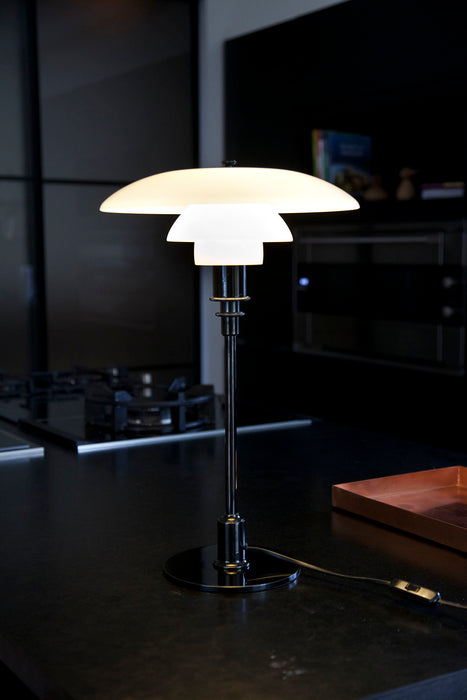
Table Lamp PH 3/2
Poul Henningsen designed the three-shade system in 1925-1926. Together with Louis Poulsen, PH designed the first lamps using this system for an exhibition in Paris. Their collaboration continued until his death in 1967. Throughout his life, PH sought to create direct, glare-free lighting where it was most needed. He also used incandescent bulbs as a light source to create soft shadows.
The PH 3/2 Table Lamp is part of the three-shade family, which currently comprises 30 lights, including three for outdoor use. PH therefore didn't simply design one light but an entire system; over the years, around 1,000 different models have been created. This wide selection included table lamps, floor lamps, and wall lights, as well as a series of chandeliers that were very popular in the 1930s for illuminating private homes with high ceilings. There were endless possible combinations. The lights came in different colors and sizes. The first shades were made of metal, with an inner surface painted white, gold, or silver, depending on whether a diffused, warm, or cool light was desired. Later, glass began to be used for the three-shade system. In addition to projecting light downwards, the glass lamps illuminated the rest of the room.
PH was the first to apply a scientific approach to light and base it on the Lituus curve. By using a design based on the Lituus curve, he achieved an even distribution of light across the entire curve of the screen. This even distribution, along with diffuse reflection through the glass, made it possible to control glare and shadows. Each screen reduces the amount of light equally thanks to its distance from the light source.
*This product is usually in stock and delivers within 3 to 5 days. Occasionally, some versions may require a delivery time of several weeks. If this is the case, we will notify you immediately.
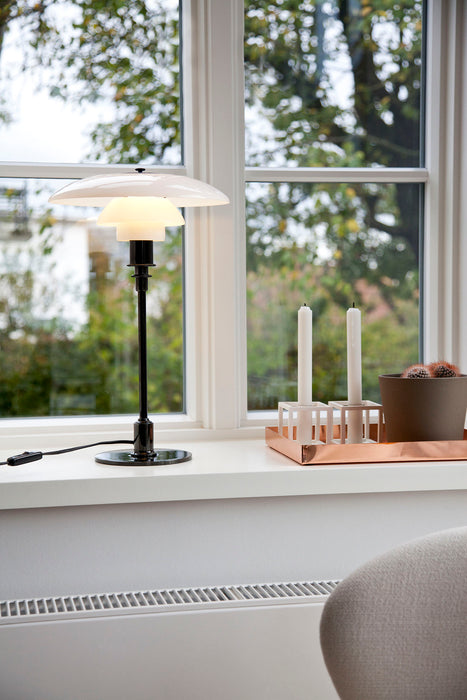
Table Lamp PH 3/2
Poul Henningsen designed the three-shade system in 1925-1926. Together with Louis Poulsen, PH designed the first lamps using this system for an exhibition in Paris. Their collaboration continued until his death in 1967. Throughout his life, PH sought to create direct, glare-free lighting where it was most needed. He also used incandescent bulbs as a light source to create soft shadows.
The PH 3/2 Table Lamp is part of the three-shade family, which currently comprises 30 lights, including three for outdoor use. PH therefore didn't simply design one light but an entire system; over the years, around 1,000 different models have been created. This wide selection included table lamps, floor lamps, and wall lights, as well as a series of chandeliers that were very popular in the 1930s for illuminating private homes with high ceilings. There were endless possible combinations. The lights came in different colors and sizes. The first shades were made of metal, with an inner surface painted white, gold, or silver, depending on whether a diffused, warm, or cool light was desired. Later, glass began to be used for the three-shade system. In addition to projecting light downwards, the glass lamps illuminated the rest of the room.
PH was the first to apply a scientific approach to light and base it on the Lituus curve. By using a design based on the Lituus curve, he achieved an even distribution of light across the entire curve of the screen. This even distribution, along with diffuse reflection through the glass, made it possible to control glare and shadows. Each screen reduces the amount of light equally thanks to its distance from the light source.
*This product is usually in stock and delivers within 3 to 5 days. Occasionally, some versions may require a delivery time of several weeks. If this is the case, we will notify you immediately.
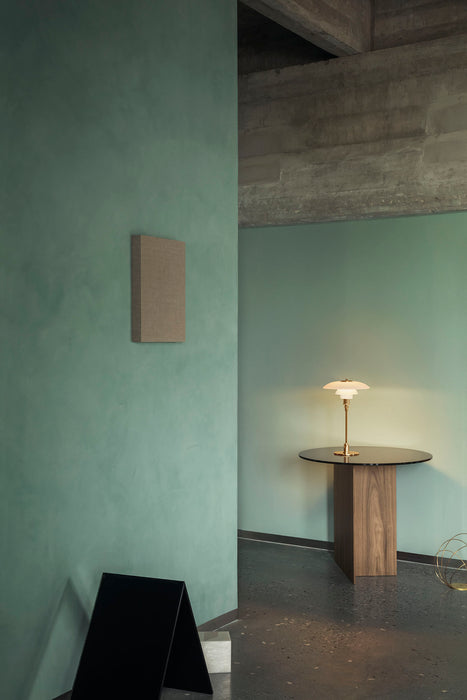
Table Lamp PH 3/2
Poul Henningsen designed the three-shade system in 1925-1926. Together with Louis Poulsen, PH designed the first lamps using this system for an exhibition in Paris. Their collaboration continued until his death in 1967. Throughout his life, PH sought to create direct, glare-free lighting where it was most needed. He also used incandescent bulbs as a light source to create soft shadows.
The PH 3/2 Table Lamp is part of the three-shade family, which currently comprises 30 lights, including three for outdoor use. PH therefore didn't simply design one light but an entire system; over the years, around 1,000 different models have been created. This wide selection included table lamps, floor lamps, and wall lights, as well as a series of chandeliers that were very popular in the 1930s for illuminating private homes with high ceilings. There were endless possible combinations. The lights came in different colors and sizes. The first shades were made of metal, with an inner surface painted white, gold, or silver, depending on whether a diffused, warm, or cool light was desired. Later, glass began to be used for the three-shade system. In addition to projecting light downwards, the glass lamps illuminated the rest of the room.
PH was the first to apply a scientific approach to light and base it on the Lituus curve. By using a design based on the Lituus curve, he achieved an even distribution of light across the entire curve of the screen. This even distribution, along with diffuse reflection through the glass, made it possible to control glare and shadows. Each screen reduces the amount of light equally thanks to its distance from the light source.
*This product is usually in stock and delivers within 3 to 5 days. Occasionally, some versions may require a delivery time of several weeks. If this is the case, we will notify you immediately.
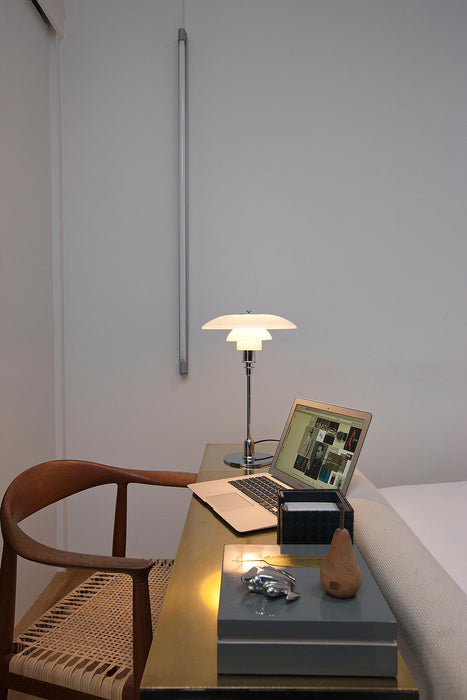
Table Lamp PH 3/2
Poul Henningsen designed the three-shade system in 1925-1926. Together with Louis Poulsen, PH designed the first lamps using this system for an exhibition in Paris. Their collaboration continued until his death in 1967. Throughout his life, PH sought to create direct, glare-free lighting where it was most needed. He also used incandescent bulbs as a light source to create soft shadows.
The PH 3/2 Table Lamp is part of the three-shade family, which currently comprises 30 lights, including three for outdoor use. PH therefore didn't simply design one light but an entire system; over the years, around 1,000 different models have been created. This wide selection included table lamps, floor lamps, and wall lights, as well as a series of chandeliers that were very popular in the 1930s for illuminating private homes with high ceilings. There were endless possible combinations. The lights came in different colors and sizes. The first shades were made of metal, with an inner surface painted white, gold, or silver, depending on whether a diffused, warm, or cool light was desired. Later, glass began to be used for the three-shade system. In addition to projecting light downwards, the glass lamps illuminated the rest of the room.
PH was the first to apply a scientific approach to light and base it on the Lituus curve. By using a design based on the Lituus curve, he achieved an even distribution of light across the entire curve of the screen. This even distribution, along with diffuse reflection through the glass, made it possible to control glare and shadows. Each screen reduces the amount of light equally thanks to its distance from the light source.
*This product is usually in stock and delivers within 3 to 5 days. Occasionally, some versions may require a delivery time of several weeks. If this is the case, we will notify you immediately.
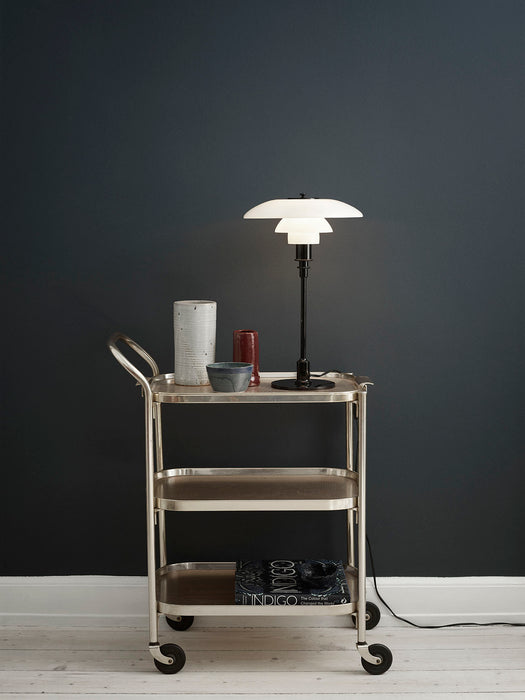
Table Lamp PH 3/2
Poul Henningsen designed the three-shade system in 1925-1926. Together with Louis Poulsen, PH designed the first lamps using this system for an exhibition in Paris. Their collaboration continued until his death in 1967. Throughout his life, PH sought to create direct, glare-free lighting where it was most needed. He also used incandescent bulbs as a light source to create soft shadows.
The PH 3/2 Table Lamp is part of the three-shade family, which currently comprises 30 lights, including three for outdoor use. PH therefore didn't simply design one light but an entire system; over the years, around 1,000 different models have been created. This wide selection included table lamps, floor lamps, and wall lights, as well as a series of chandeliers that were very popular in the 1930s for illuminating private homes with high ceilings. There were endless possible combinations. The lights came in different colors and sizes. The first shades were made of metal, with an inner surface painted white, gold, or silver, depending on whether a diffused, warm, or cool light was desired. Later, glass began to be used for the three-shade system. In addition to projecting light downwards, the glass lamps illuminated the rest of the room.
PH was the first to apply a scientific approach to light and base it on the Lituus curve. By using a design based on the Lituus curve, he achieved an even distribution of light across the entire curve of the screen. This even distribution, along with diffuse reflection through the glass, made it possible to control glare and shadows. Each screen reduces the amount of light equally thanks to its distance from the light source.
*This product is usually in stock and delivers within 3 to 5 days. Occasionally, some versions may require a delivery time of several weeks. If this is the case, we will notify you immediately.
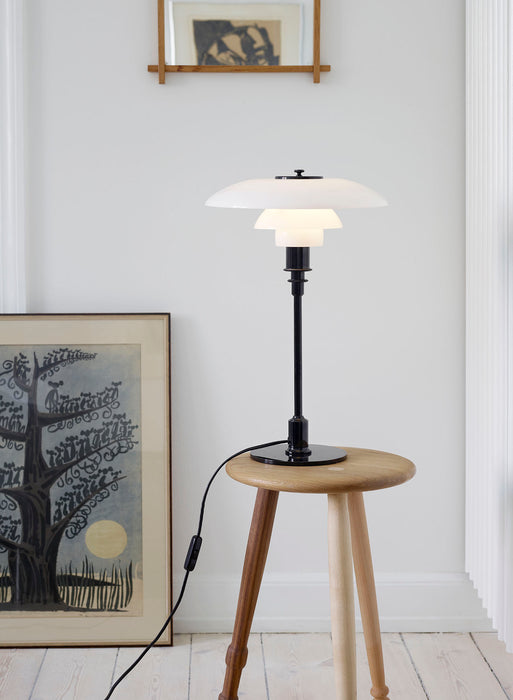
Table Lamp PH 3/2
Poul Henningsen designed the three-shade system in 1925-1926. Together with Louis Poulsen, PH designed the first lamps using this system for an exhibition in Paris. Their collaboration continued until his death in 1967. Throughout his life, PH sought to create direct, glare-free lighting where it was most needed. He also used incandescent bulbs as a light source to create soft shadows.
The PH 3/2 Table Lamp is part of the three-shade family, which currently comprises 30 lights, including three for outdoor use. PH therefore didn't simply design one light but an entire system; over the years, around 1,000 different models have been created. This wide selection included table lamps, floor lamps, and wall lights, as well as a series of chandeliers that were very popular in the 1930s for illuminating private homes with high ceilings. There were endless possible combinations. The lights came in different colors and sizes. The first shades were made of metal, with an inner surface painted white, gold, or silver, depending on whether a diffused, warm, or cool light was desired. Later, glass began to be used for the three-shade system. In addition to projecting light downwards, the glass lamps illuminated the rest of the room.
PH was the first to apply a scientific approach to light and base it on the Lituus curve. By using a design based on the Lituus curve, he achieved an even distribution of light across the entire curve of the screen. This even distribution, along with diffuse reflection through the glass, made it possible to control glare and shadows. Each screen reduces the amount of light equally thanks to its distance from the light source.
*This product is usually in stock and delivers within 3 to 5 days. Occasionally, some versions may require a delivery time of several weeks. If this is the case, we will notify you immediately.
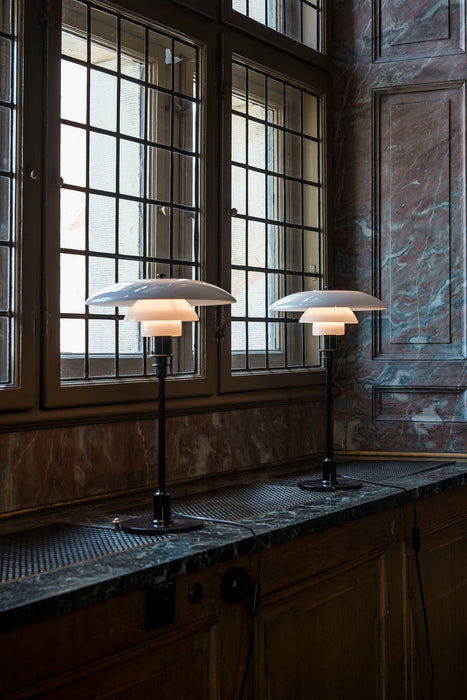
Table Lamp PH 3/2
Poul Henningsen designed the three-shade system in 1925-1926. Together with Louis Poulsen, PH designed the first lamps using this system for an exhibition in Paris. Their collaboration continued until his death in 1967. Throughout his life, PH sought to create direct, glare-free lighting where it was most needed. He also used incandescent bulbs as a light source to create soft shadows.
The PH 3/2 Table Lamp is part of the three-shade family, which currently comprises 30 lights, including three for outdoor use. PH therefore didn't simply design one light but an entire system; over the years, around 1,000 different models have been created. This wide selection included table lamps, floor lamps, and wall lights, as well as a series of chandeliers that were very popular in the 1930s for illuminating private homes with high ceilings. There were endless possible combinations. The lights came in different colors and sizes. The first shades were made of metal, with an inner surface painted white, gold, or silver, depending on whether a diffused, warm, or cool light was desired. Later, glass began to be used for the three-shade system. In addition to projecting light downwards, the glass lamps illuminated the rest of the room.
PH was the first to apply a scientific approach to light and base it on the Lituus curve. By using a design based on the Lituus curve, he achieved an even distribution of light across the entire curve of the screen. This even distribution, along with diffuse reflection through the glass, made it possible to control glare and shadows. Each screen reduces the amount of light equally thanks to its distance from the light source.
*This product is usually in stock and delivers within 3 to 5 days. Occasionally, some versions may require a delivery time of several weeks. If this is the case, we will notify you immediately.
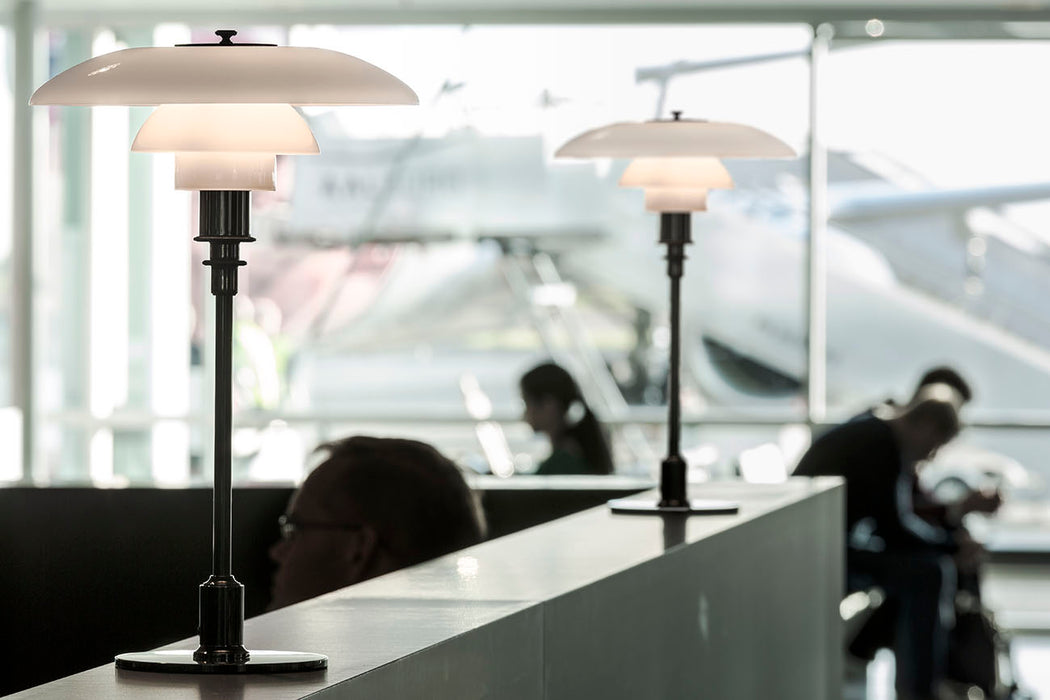
Table Lamp PH 3/2
Poul Henningsen designed the three-shade system in 1925-1926. Together with Louis Poulsen, PH designed the first lamps using this system for an exhibition in Paris. Their collaboration continued until his death in 1967. Throughout his life, PH sought to create direct, glare-free lighting where it was most needed. He also used incandescent bulbs as a light source to create soft shadows.
The PH 3/2 Table Lamp is part of the three-shade family, which currently comprises 30 lights, including three for outdoor use. PH therefore didn't simply design one light but an entire system; over the years, around 1,000 different models have been created. This wide selection included table lamps, floor lamps, and wall lights, as well as a series of chandeliers that were very popular in the 1930s for illuminating private homes with high ceilings. There were endless possible combinations. The lights came in different colors and sizes. The first shades were made of metal, with an inner surface painted white, gold, or silver, depending on whether a diffused, warm, or cool light was desired. Later, glass began to be used for the three-shade system. In addition to projecting light downwards, the glass lamps illuminated the rest of the room.
PH was the first to apply a scientific approach to light and base it on the Lituus curve. By using a design based on the Lituus curve, he achieved an even distribution of light across the entire curve of the screen. This even distribution, along with diffuse reflection through the glass, made it possible to control glare and shadows. Each screen reduces the amount of light equally thanks to its distance from the light source.
*This product is usually in stock and delivers within 3 to 5 days. Occasionally, some versions may require a delivery time of several weeks. If this is the case, we will notify you immediately.
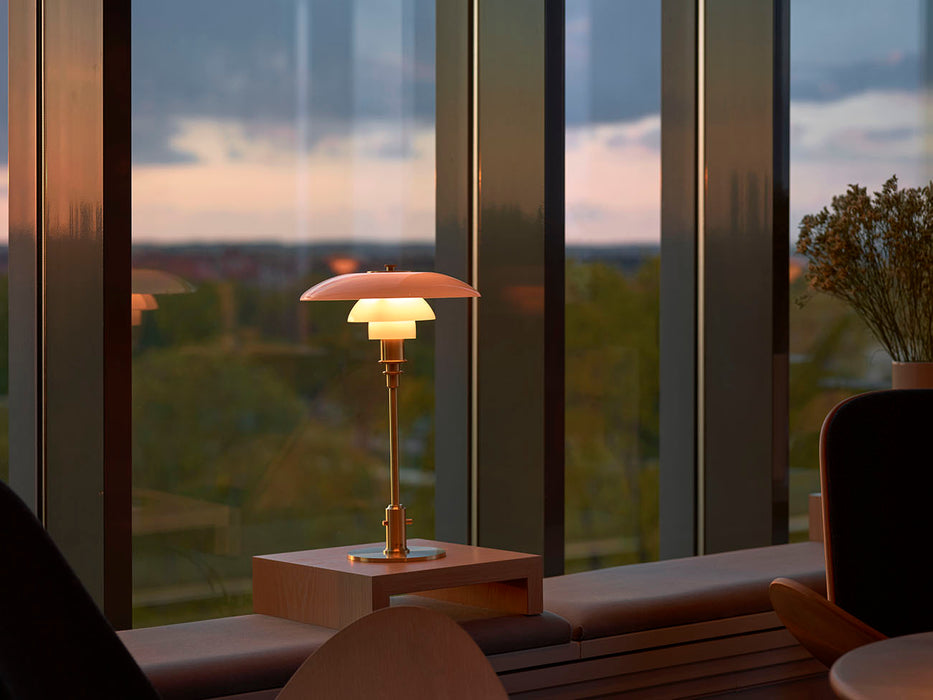
Table Lamp PH 3/2
Poul Henningsen designed the three-shade system in 1925-1926. Together with Louis Poulsen, PH designed the first lamps using this system for an exhibition in Paris. Their collaboration continued until his death in 1967. Throughout his life, PH sought to create direct, glare-free lighting where it was most needed. He also used incandescent bulbs as a light source to create soft shadows.
The PH 3/2 Table Lamp is part of the three-shade family, which currently comprises 30 lights, including three for outdoor use. PH therefore didn't simply design one light but an entire system; over the years, around 1,000 different models have been created. This wide selection included table lamps, floor lamps, and wall lights, as well as a series of chandeliers that were very popular in the 1930s for illuminating private homes with high ceilings. There were endless possible combinations. The lights came in different colors and sizes. The first shades were made of metal, with an inner surface painted white, gold, or silver, depending on whether a diffused, warm, or cool light was desired. Later, glass began to be used for the three-shade system. In addition to projecting light downwards, the glass lamps illuminated the rest of the room.
PH was the first to apply a scientific approach to light and base it on the Lituus curve. By using a design based on the Lituus curve, he achieved an even distribution of light across the entire curve of the screen. This even distribution, along with diffuse reflection through the glass, made it possible to control glare and shadows. Each screen reduces the amount of light equally thanks to its distance from the light source.
*This product is usually in stock and delivers within 3 to 5 days. Occasionally, some versions may require a delivery time of several weeks. If this is the case, we will notify you immediately.
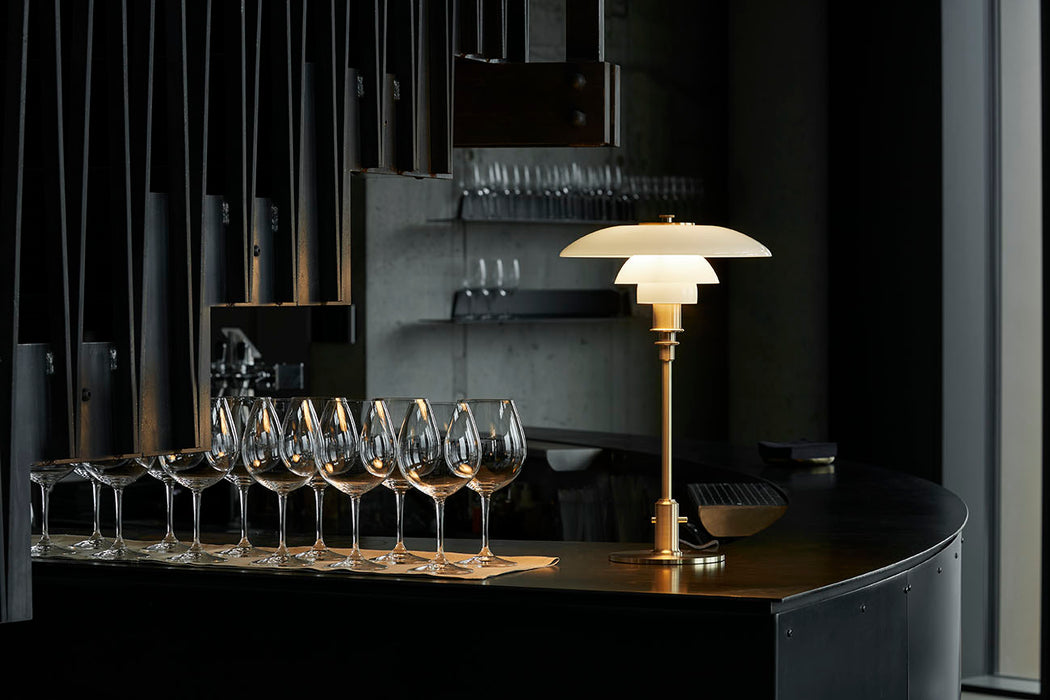
Table Lamp PH 3/2
Poul Henningsen designed the three-shade system in 1925-1926. Together with Louis Poulsen, PH designed the first lamps using this system for an exhibition in Paris. Their collaboration continued until his death in 1967. Throughout his life, PH sought to create direct, glare-free lighting where it was most needed. He also used incandescent bulbs as a light source to create soft shadows.
The PH 3/2 Table Lamp is part of the three-shade family, which currently comprises 30 lights, including three for outdoor use. PH therefore didn't simply design one light but an entire system; over the years, around 1,000 different models have been created. This wide selection included table lamps, floor lamps, and wall lights, as well as a series of chandeliers that were very popular in the 1930s for illuminating private homes with high ceilings. There were endless possible combinations. The lights came in different colors and sizes. The first shades were made of metal, with an inner surface painted white, gold, or silver, depending on whether a diffused, warm, or cool light was desired. Later, glass began to be used for the three-shade system. In addition to projecting light downwards, the glass lamps illuminated the rest of the room.
PH was the first to apply a scientific approach to light and base it on the Lituus curve. By using a design based on the Lituus curve, he achieved an even distribution of light across the entire curve of the screen. This even distribution, along with diffuse reflection through the glass, made it possible to control glare and shadows. Each screen reduces the amount of light equally thanks to its distance from the light source.
*This product is usually in stock and delivers within 3 to 5 days. Occasionally, some versions may require a delivery time of several weeks. If this is the case, we will notify you immediately.
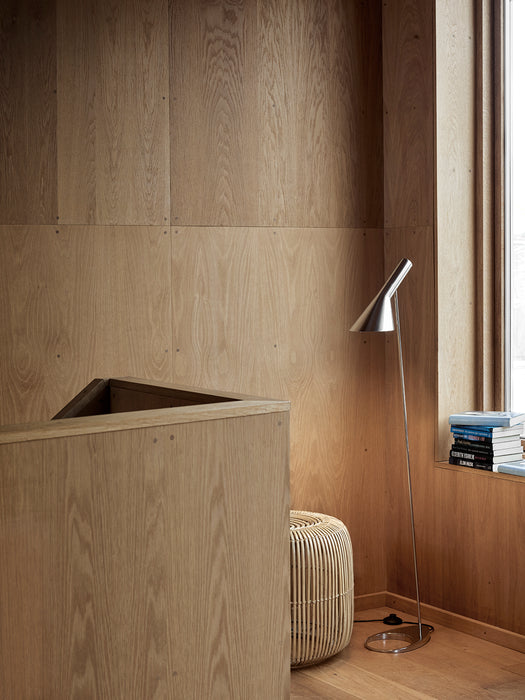
AJ Floor Lamp
Arne Jacobsen designed the AJ lamp for the SAS Royal Hotel in Copenhagen (now the Radisson Collection) in 1957. Today, the AJ family is considered the design that made the Danish architect world-famous. In combination with the AJ Royal pendant light, the AJ lamp was part of Jacobsen's overall design concept for the hotel. Arne Jacobsen not only designed the hotel down to the smallest detail for SAS (Scandinavian Airlines), but also designed almost all of the hotel's furniture and other utilitarian objects.
The silhouette of the AJ lamp, with its straight lines and combination of oblique and right angles, is seen not only as a formal parallel to the silhouette of the Series 3300 seating, but also to the very geometry of the buildings. The AJ lamp, in copper and stainless steel, was used in various areas of the hotel. Like the AJ pendant lamp, it was initially available in light gray, dark brown, and black. New colors have been introduced over the years in honor of the series' anniversaries. All versions of the AJ lamp have been reintroduced in their original stainless steel version, which reflects its surroundings in true Arne Jacobsen style and underlines the lamp's distinctive, minimalist form and impeccable light emission.
*This product is usually in stock and delivers within 3 to 5 days. Occasionally, some versions may require a delivery time of several weeks. If this is the case, we will notify you immediately.
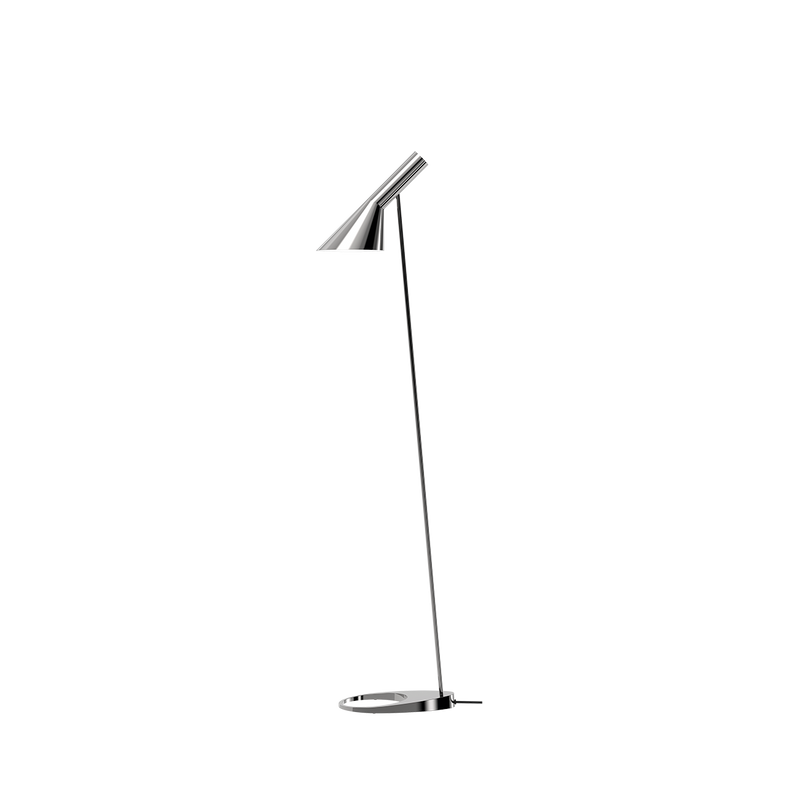
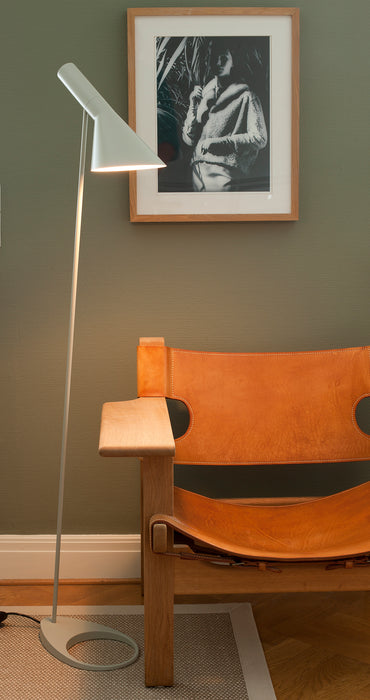
AJ Floor Lamp
Arne Jacobsen designed the AJ lamp for the SAS Royal Hotel in Copenhagen (now the Radisson Collection) in 1957. Today, the AJ family is considered the design that made the Danish architect world-famous. In combination with the AJ Royal pendant light, the AJ lamp was part of Jacobsen's overall design concept for the hotel. Arne Jacobsen not only designed the hotel down to the smallest detail for SAS (Scandinavian Airlines), but also designed almost all of the hotel's furniture and other utilitarian objects.
The silhouette of the AJ lamp, with its straight lines and combination of oblique and right angles, is seen not only as a formal parallel to the silhouette of the Series 3300 seating, but also to the very geometry of the buildings. The AJ lamp, in copper and stainless steel, was used in various areas of the hotel. Like the AJ pendant lamp, it was initially available in light gray, dark brown, and black. New colors have been introduced over the years in honor of the series' anniversaries. All versions of the AJ lamp have been reintroduced in their original stainless steel version, which reflects its surroundings in true Arne Jacobsen style and underlines the lamp's distinctive, minimalist form and impeccable light emission.
*This product is usually in stock and delivers within 3 to 5 days. Occasionally, some versions may require a delivery time of several weeks. If this is the case, we will notify you immediately.
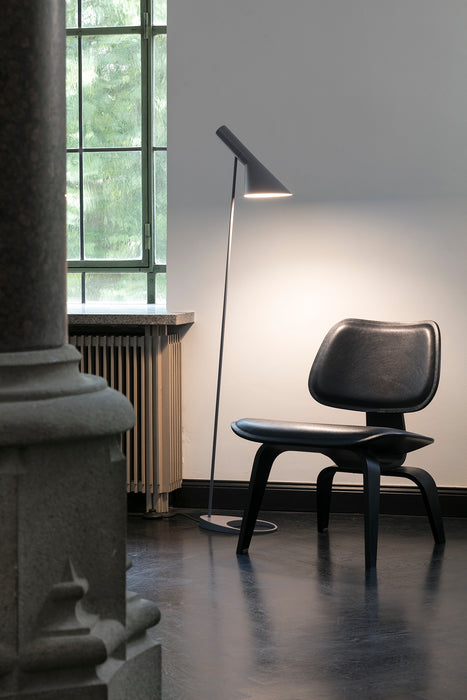
AJ Floor Lamp
Arne Jacobsen designed the AJ lamp for the SAS Royal Hotel in Copenhagen (now the Radisson Collection) in 1957. Today, the AJ family is considered the design that made the Danish architect world-famous. In combination with the AJ Royal pendant light, the AJ lamp was part of Jacobsen's overall design concept for the hotel. Arne Jacobsen not only designed the hotel down to the smallest detail for SAS (Scandinavian Airlines), but also designed almost all of the hotel's furniture and other utilitarian objects.
The silhouette of the AJ lamp, with its straight lines and combination of oblique and right angles, is seen not only as a formal parallel to the silhouette of the Series 3300 seating, but also to the very geometry of the buildings. The AJ lamp, in copper and stainless steel, was used in various areas of the hotel. Like the AJ pendant lamp, it was initially available in light gray, dark brown, and black. New colors have been introduced over the years in honor of the series' anniversaries. All versions of the AJ lamp have been reintroduced in their original stainless steel version, which reflects its surroundings in true Arne Jacobsen style and underlines the lamp's distinctive, minimalist form and impeccable light emission.
*This product is usually in stock and delivers within 3 to 5 days. Occasionally, some versions may require a delivery time of several weeks. If this is the case, we will notify you immediately.
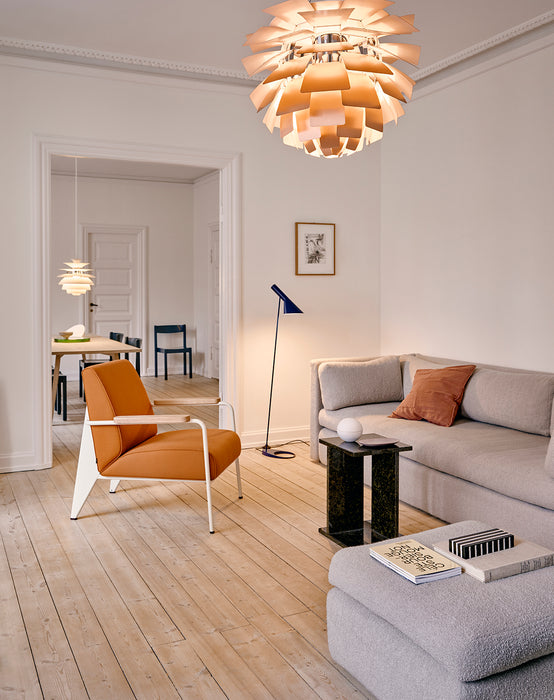
AJ Floor Lamp
Arne Jacobsen designed the AJ lamp for the SAS Royal Hotel in Copenhagen (now the Radisson Collection) in 1957. Today, the AJ family is considered the design that made the Danish architect world-famous. In combination with the AJ Royal pendant light, the AJ lamp was part of Jacobsen's overall design concept for the hotel. Arne Jacobsen not only designed the hotel down to the smallest detail for SAS (Scandinavian Airlines), but also designed almost all of the hotel's furniture and other utilitarian objects.
The silhouette of the AJ lamp, with its straight lines and combination of oblique and right angles, is seen not only as a formal parallel to the silhouette of the Series 3300 seating, but also to the very geometry of the buildings. The AJ lamp, in copper and stainless steel, was used in various areas of the hotel. Like the AJ pendant lamp, it was initially available in light gray, dark brown, and black. New colors have been introduced over the years in honor of the series' anniversaries. All versions of the AJ lamp have been reintroduced in their original stainless steel version, which reflects its surroundings in true Arne Jacobsen style and underlines the lamp's distinctive, minimalist form and impeccable light emission.
*This product is usually in stock and delivers within 3 to 5 days. Occasionally, some versions may require a delivery time of several weeks. If this is the case, we will notify you immediately.
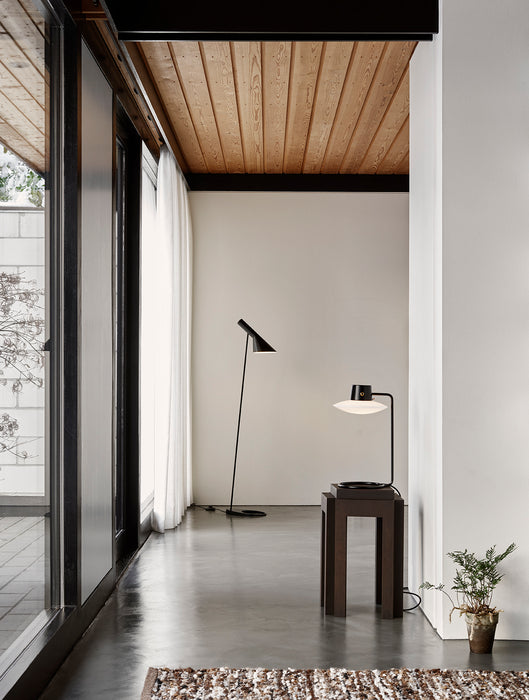
AJ Floor Lamp
Arne Jacobsen designed the AJ lamp for the SAS Royal Hotel in Copenhagen (now the Radisson Collection) in 1957. Today, the AJ family is considered the design that made the Danish architect world-famous. In combination with the AJ Royal pendant light, the AJ lamp was part of Jacobsen's overall design concept for the hotel. Arne Jacobsen not only designed the hotel down to the smallest detail for SAS (Scandinavian Airlines), but also designed almost all of the hotel's furniture and other utilitarian objects.
The silhouette of the AJ lamp, with its straight lines and combination of oblique and right angles, is seen not only as a formal parallel to the silhouette of the Series 3300 seating, but also to the very geometry of the buildings. The AJ lamp, in copper and stainless steel, was used in various areas of the hotel. Like the AJ pendant lamp, it was initially available in light gray, dark brown, and black. New colors have been introduced over the years in honor of the series' anniversaries. All versions of the AJ lamp have been reintroduced in their original stainless steel version, which reflects its surroundings in true Arne Jacobsen style and underlines the lamp's distinctive, minimalist form and impeccable light emission.
*This product is usually in stock and delivers within 3 to 5 days. Occasionally, some versions may require a delivery time of several weeks. If this is the case, we will notify you immediately.
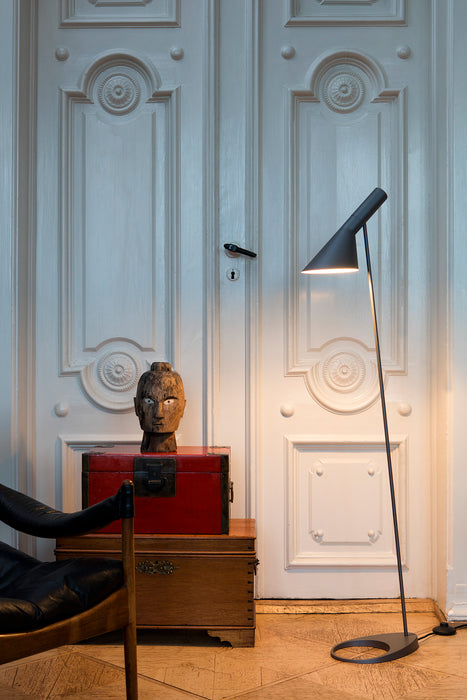
AJ Floor Lamp
Arne Jacobsen designed the AJ lamp for the SAS Royal Hotel in Copenhagen (now the Radisson Collection) in 1957. Today, the AJ family is considered the design that made the Danish architect world-famous. In combination with the AJ Royal pendant light, the AJ lamp was part of Jacobsen's overall design concept for the hotel. Arne Jacobsen not only designed the hotel down to the smallest detail for SAS (Scandinavian Airlines), but also designed almost all of the hotel's furniture and other utilitarian objects.
The silhouette of the AJ lamp, with its straight lines and combination of oblique and right angles, is seen not only as a formal parallel to the silhouette of the Series 3300 seating, but also to the very geometry of the buildings. The AJ lamp, in copper and stainless steel, was used in various areas of the hotel. Like the AJ pendant lamp, it was initially available in light gray, dark brown, and black. New colors have been introduced over the years in honor of the series' anniversaries. All versions of the AJ lamp have been reintroduced in their original stainless steel version, which reflects its surroundings in true Arne Jacobsen style and underlines the lamp's distinctive, minimalist form and impeccable light emission.
*This product is usually in stock and delivers within 3 to 5 days. Occasionally, some versions may require a delivery time of several weeks. If this is the case, we will notify you immediately.
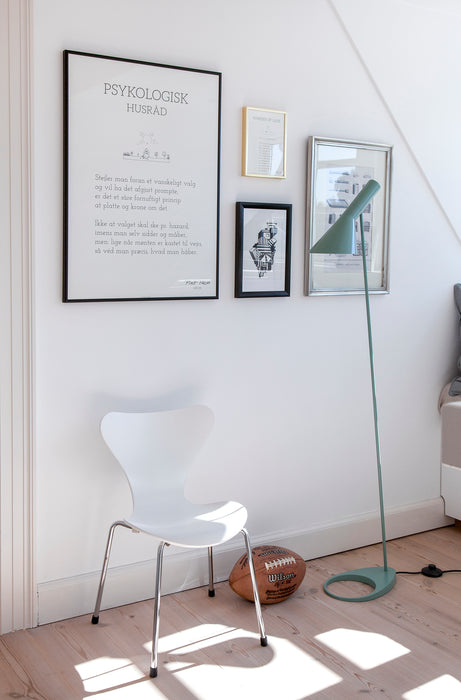
AJ Floor Lamp
Arne Jacobsen designed the AJ lamp for the SAS Royal Hotel in Copenhagen (now the Radisson Collection) in 1957. Today, the AJ family is considered the design that made the Danish architect world-famous. In combination with the AJ Royal pendant light, the AJ lamp was part of Jacobsen's overall design concept for the hotel. Arne Jacobsen not only designed the hotel down to the smallest detail for SAS (Scandinavian Airlines), but also designed almost all of the hotel's furniture and other utilitarian objects.
The silhouette of the AJ lamp, with its straight lines and combination of oblique and right angles, is seen not only as a formal parallel to the silhouette of the Series 3300 seating, but also to the very geometry of the buildings. The AJ lamp, in copper and stainless steel, was used in various areas of the hotel. Like the AJ pendant lamp, it was initially available in light gray, dark brown, and black. New colors have been introduced over the years in honor of the series' anniversaries. All versions of the AJ lamp have been reintroduced in their original stainless steel version, which reflects its surroundings in true Arne Jacobsen style and underlines the lamp's distinctive, minimalist form and impeccable light emission.
*This product is usually in stock and delivers within 3 to 5 days. Occasionally, some versions may require a delivery time of several weeks. If this is the case, we will notify you immediately.
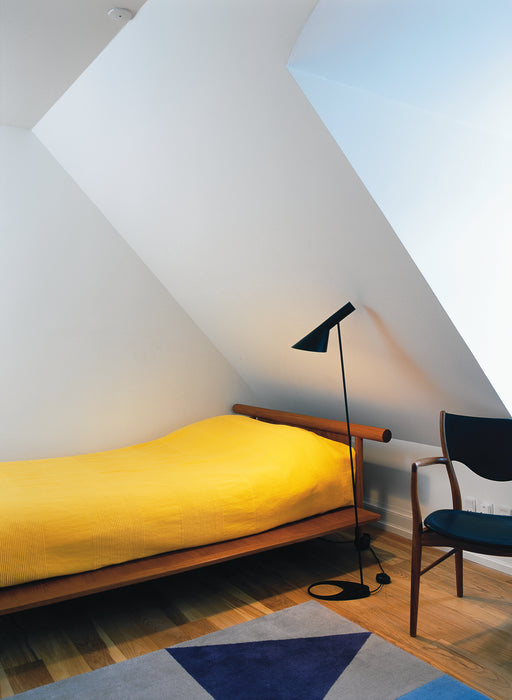
AJ Floor Lamp
Arne Jacobsen designed the AJ lamp for the SAS Royal Hotel in Copenhagen (now the Radisson Collection) in 1957. Today, the AJ family is considered the design that made the Danish architect world-famous. In combination with the AJ Royal pendant light, the AJ lamp was part of Jacobsen's overall design concept for the hotel. Arne Jacobsen not only designed the hotel down to the smallest detail for SAS (Scandinavian Airlines), but also designed almost all of the hotel's furniture and other utilitarian objects.
The silhouette of the AJ lamp, with its straight lines and combination of oblique and right angles, is seen not only as a formal parallel to the silhouette of the Series 3300 seating, but also to the very geometry of the buildings. The AJ lamp, in copper and stainless steel, was used in various areas of the hotel. Like the AJ pendant lamp, it was initially available in light gray, dark brown, and black. New colors have been introduced over the years in honor of the series' anniversaries. All versions of the AJ lamp have been reintroduced in their original stainless steel version, which reflects its surroundings in true Arne Jacobsen style and underlines the lamp's distinctive, minimalist form and impeccable light emission.
*This product is usually in stock and delivers within 3 to 5 days. Occasionally, some versions may require a delivery time of several weeks. If this is the case, we will notify you immediately.
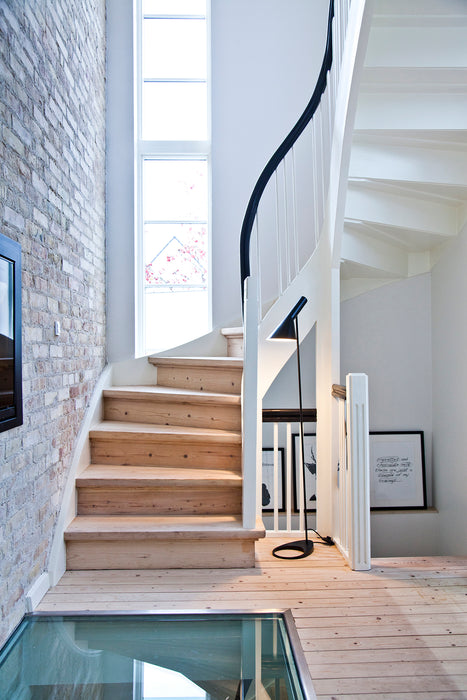
AJ Floor Lamp
Arne Jacobsen designed the AJ lamp for the SAS Royal Hotel in Copenhagen (now the Radisson Collection) in 1957. Today, the AJ family is considered the design that made the Danish architect world-famous. In combination with the AJ Royal pendant light, the AJ lamp was part of Jacobsen's overall design concept for the hotel. Arne Jacobsen not only designed the hotel down to the smallest detail for SAS (Scandinavian Airlines), but also designed almost all of the hotel's furniture and other utilitarian objects.
The silhouette of the AJ lamp, with its straight lines and combination of oblique and right angles, is seen not only as a formal parallel to the silhouette of the Series 3300 seating, but also to the very geometry of the buildings. The AJ lamp, in copper and stainless steel, was used in various areas of the hotel. Like the AJ pendant lamp, it was initially available in light gray, dark brown, and black. New colors have been introduced over the years in honor of the series' anniversaries. All versions of the AJ lamp have been reintroduced in their original stainless steel version, which reflects its surroundings in true Arne Jacobsen style and underlines the lamp's distinctive, minimalist form and impeccable light emission.
*This product is usually in stock and delivers within 3 to 5 days. Occasionally, some versions may require a delivery time of several weeks. If this is the case, we will notify you immediately.
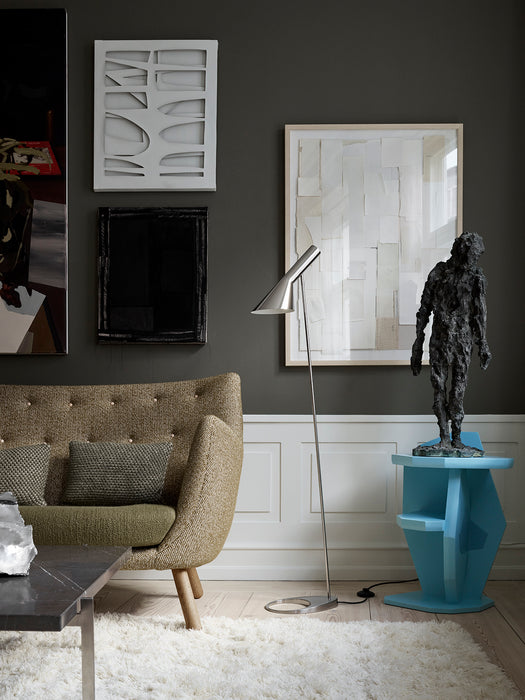
AJ Floor Lamp
Arne Jacobsen designed the AJ lamp for the SAS Royal Hotel in Copenhagen (now the Radisson Collection) in 1957. Today, the AJ family is considered the design that made the Danish architect world-famous. In combination with the AJ Royal pendant light, the AJ lamp was part of Jacobsen's overall design concept for the hotel. Arne Jacobsen not only designed the hotel down to the smallest detail for SAS (Scandinavian Airlines), but also designed almost all of the hotel's furniture and other utilitarian objects.
The silhouette of the AJ lamp, with its straight lines and combination of oblique and right angles, is seen not only as a formal parallel to the silhouette of the Series 3300 seating, but also to the very geometry of the buildings. The AJ lamp, in copper and stainless steel, was used in various areas of the hotel. Like the AJ pendant lamp, it was initially available in light gray, dark brown, and black. New colors have been introduced over the years in honor of the series' anniversaries. All versions of the AJ lamp have been reintroduced in their original stainless steel version, which reflects its surroundings in true Arne Jacobsen style and underlines the lamp's distinctive, minimalist form and impeccable light emission.
*This product is usually in stock and delivers within 3 to 5 days. Occasionally, some versions may require a delivery time of several weeks. If this is the case, we will notify you immediately.
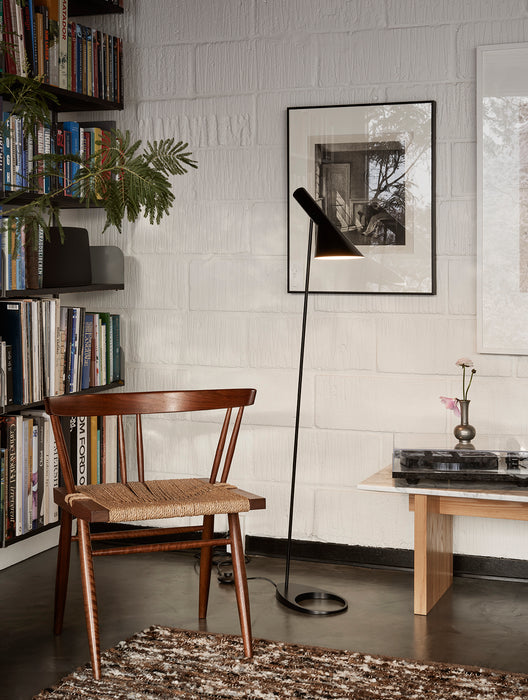
AJ Floor Lamp
Arne Jacobsen designed the AJ lamp for the SAS Royal Hotel in Copenhagen (now the Radisson Collection) in 1957. Today, the AJ family is considered the design that made the Danish architect world-famous. In combination with the AJ Royal pendant light, the AJ lamp was part of Jacobsen's overall design concept for the hotel. Arne Jacobsen not only designed the hotel down to the smallest detail for SAS (Scandinavian Airlines), but also designed almost all of the hotel's furniture and other utilitarian objects.
The silhouette of the AJ lamp, with its straight lines and combination of oblique and right angles, is seen not only as a formal parallel to the silhouette of the Series 3300 seating, but also to the very geometry of the buildings. The AJ lamp, in copper and stainless steel, was used in various areas of the hotel. Like the AJ pendant lamp, it was initially available in light gray, dark brown, and black. New colors have been introduced over the years in honor of the series' anniversaries. All versions of the AJ lamp have been reintroduced in their original stainless steel version, which reflects its surroundings in true Arne Jacobsen style and underlines the lamp's distinctive, minimalist form and impeccable light emission.
*This product is usually in stock and delivers within 3 to 5 days. Occasionally, some versions may require a delivery time of several weeks. If this is the case, we will notify you immediately.
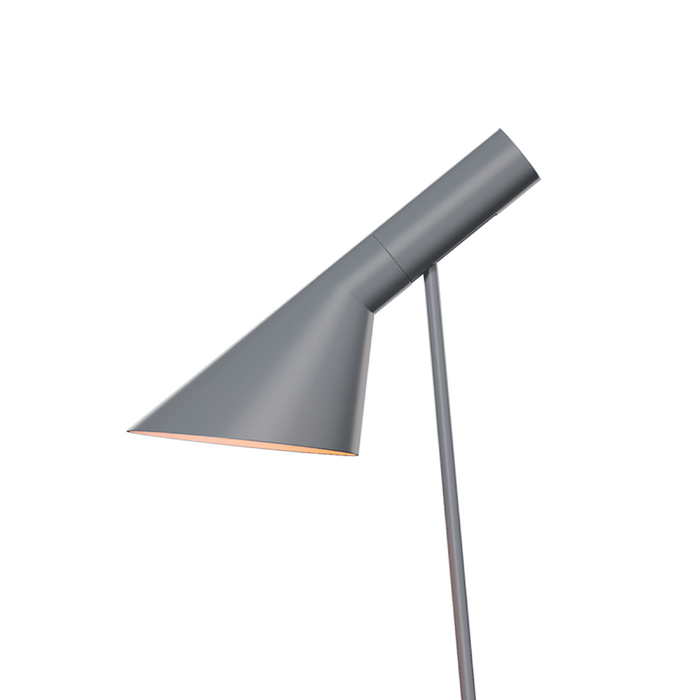
AJ Floor Lamp
Arne Jacobsen designed the AJ lamp for the SAS Royal Hotel in Copenhagen (now the Radisson Collection) in 1957. Today, the AJ family is considered the design that made the Danish architect world-famous. In combination with the AJ Royal pendant light, the AJ lamp was part of Jacobsen's overall design concept for the hotel. Arne Jacobsen not only designed the hotel down to the smallest detail for SAS (Scandinavian Airlines), but also designed almost all of the hotel's furniture and other utilitarian objects.
The silhouette of the AJ lamp, with its straight lines and combination of oblique and right angles, is seen not only as a formal parallel to the silhouette of the Series 3300 seating, but also to the very geometry of the buildings. The AJ lamp, in copper and stainless steel, was used in various areas of the hotel. Like the AJ pendant lamp, it was initially available in light gray, dark brown, and black. New colors have been introduced over the years in honor of the series' anniversaries. All versions of the AJ lamp have been reintroduced in their original stainless steel version, which reflects its surroundings in true Arne Jacobsen style and underlines the lamp's distinctive, minimalist form and impeccable light emission.
*This product is usually in stock and delivers within 3 to 5 days. Occasionally, some versions may require a delivery time of several weeks. If this is the case, we will notify you immediately.
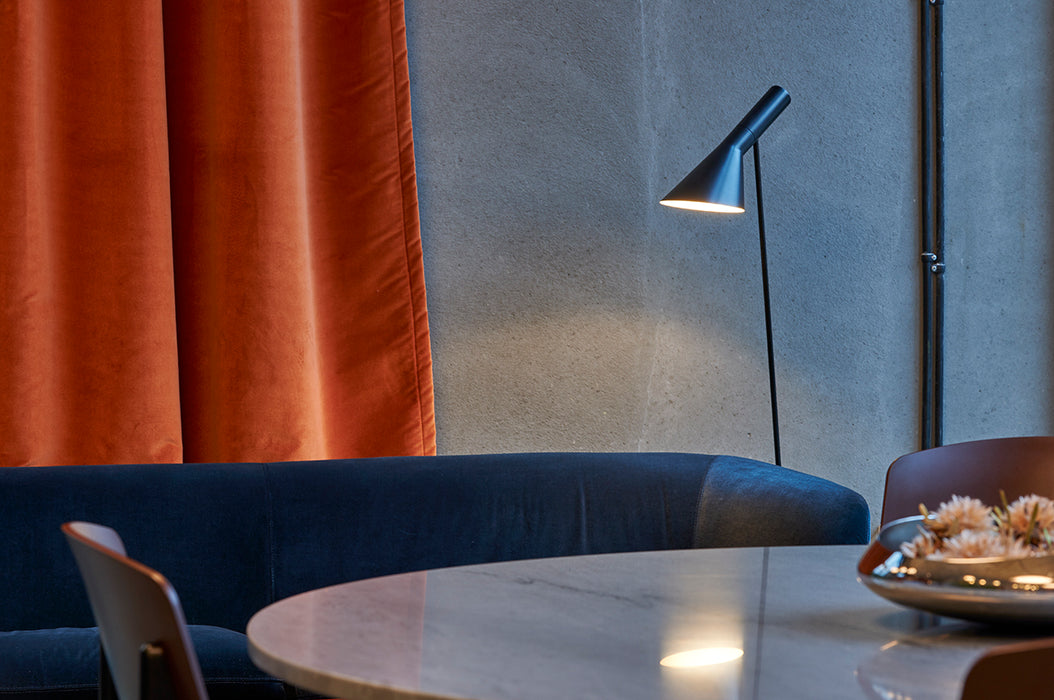
AJ Floor Lamp
Arne Jacobsen designed the AJ lamp for the SAS Royal Hotel in Copenhagen (now the Radisson Collection) in 1957. Today, the AJ family is considered the design that made the Danish architect world-famous. In combination with the AJ Royal pendant light, the AJ lamp was part of Jacobsen's overall design concept for the hotel. Arne Jacobsen not only designed the hotel down to the smallest detail for SAS (Scandinavian Airlines), but also designed almost all of the hotel's furniture and other utilitarian objects.
The silhouette of the AJ lamp, with its straight lines and combination of oblique and right angles, is seen not only as a formal parallel to the silhouette of the Series 3300 seating, but also to the very geometry of the buildings. The AJ lamp, in copper and stainless steel, was used in various areas of the hotel. Like the AJ pendant lamp, it was initially available in light gray, dark brown, and black. New colors have been introduced over the years in honor of the series' anniversaries. All versions of the AJ lamp have been reintroduced in their original stainless steel version, which reflects its surroundings in true Arne Jacobsen style and underlines the lamp's distinctive, minimalist form and impeccable light emission.
*This product is usually in stock and delivers within 3 to 5 days. Occasionally, some versions may require a delivery time of several weeks. If this is the case, we will notify you immediately.
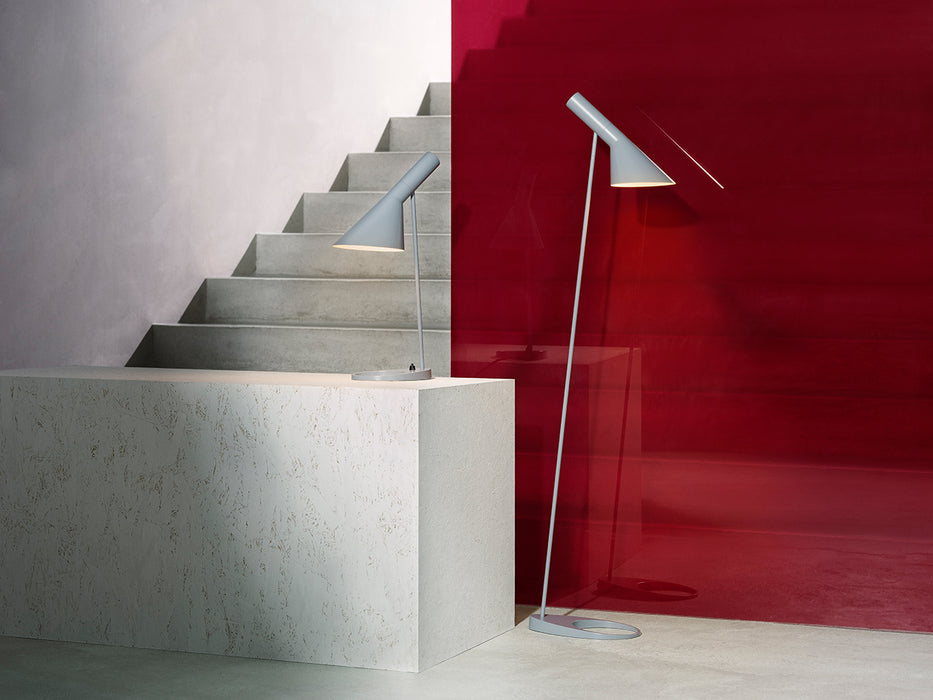
AJ Floor Lamp
Arne Jacobsen designed the AJ lamp for the SAS Royal Hotel in Copenhagen (now the Radisson Collection) in 1957. Today, the AJ family is considered the design that made the Danish architect world-famous. In combination with the AJ Royal pendant light, the AJ lamp was part of Jacobsen's overall design concept for the hotel. Arne Jacobsen not only designed the hotel down to the smallest detail for SAS (Scandinavian Airlines), but also designed almost all of the hotel's furniture and other utilitarian objects.
The silhouette of the AJ lamp, with its straight lines and combination of oblique and right angles, is seen not only as a formal parallel to the silhouette of the Series 3300 seating, but also to the very geometry of the buildings. The AJ lamp, in copper and stainless steel, was used in various areas of the hotel. Like the AJ pendant lamp, it was initially available in light gray, dark brown, and black. New colors have been introduced over the years in honor of the series' anniversaries. All versions of the AJ lamp have been reintroduced in their original stainless steel version, which reflects its surroundings in true Arne Jacobsen style and underlines the lamp's distinctive, minimalist form and impeccable light emission.
*This product is usually in stock and delivers within 3 to 5 days. Occasionally, some versions may require a delivery time of several weeks. If this is the case, we will notify you immediately.
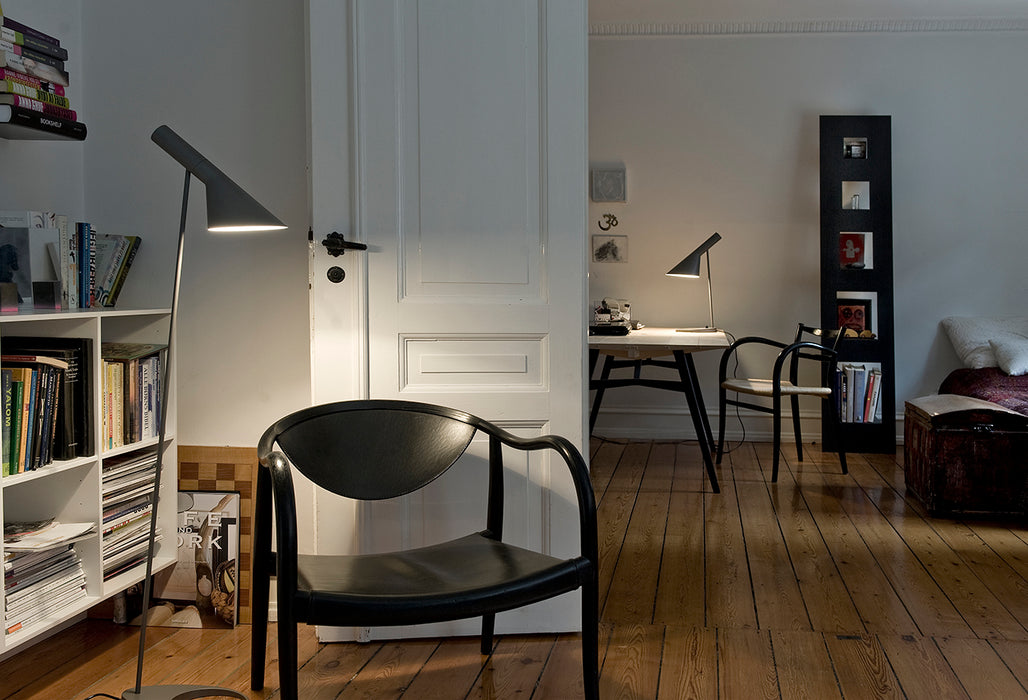
AJ Floor Lamp
Arne Jacobsen designed the AJ lamp for the SAS Royal Hotel in Copenhagen (now the Radisson Collection) in 1957. Today, the AJ family is considered the design that made the Danish architect world-famous. In combination with the AJ Royal pendant light, the AJ lamp was part of Jacobsen's overall design concept for the hotel. Arne Jacobsen not only designed the hotel down to the smallest detail for SAS (Scandinavian Airlines), but also designed almost all of the hotel's furniture and other utilitarian objects.
The silhouette of the AJ lamp, with its straight lines and combination of oblique and right angles, is seen not only as a formal parallel to the silhouette of the Series 3300 seating, but also to the very geometry of the buildings. The AJ lamp, in copper and stainless steel, was used in various areas of the hotel. Like the AJ pendant lamp, it was initially available in light gray, dark brown, and black. New colors have been introduced over the years in honor of the series' anniversaries. All versions of the AJ lamp have been reintroduced in their original stainless steel version, which reflects its surroundings in true Arne Jacobsen style and underlines the lamp's distinctive, minimalist form and impeccable light emission.
*This product is usually in stock and delivers within 3 to 5 days. Occasionally, some versions may require a delivery time of several weeks. If this is the case, we will notify you immediately.
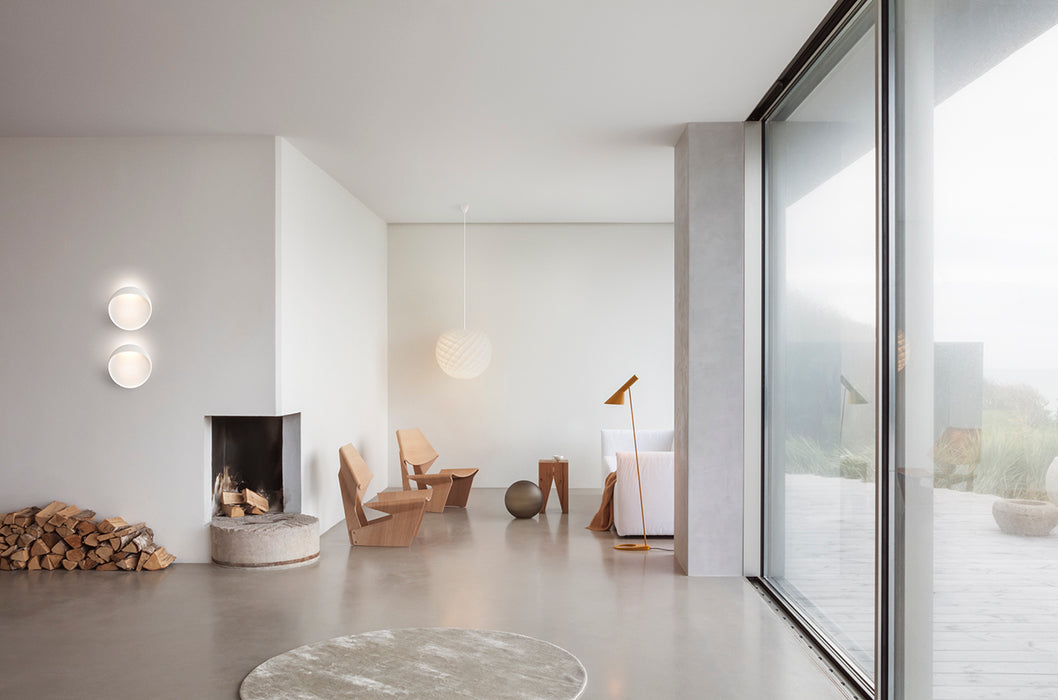
AJ Floor Lamp
Arne Jacobsen designed the AJ lamp for the SAS Royal Hotel in Copenhagen (now the Radisson Collection) in 1957. Today, the AJ family is considered the design that made the Danish architect world-famous. In combination with the AJ Royal pendant light, the AJ lamp was part of Jacobsen's overall design concept for the hotel. Arne Jacobsen not only designed the hotel down to the smallest detail for SAS (Scandinavian Airlines), but also designed almost all of the hotel's furniture and other utilitarian objects.
The silhouette of the AJ lamp, with its straight lines and combination of oblique and right angles, is seen not only as a formal parallel to the silhouette of the Series 3300 seating, but also to the very geometry of the buildings. The AJ lamp, in copper and stainless steel, was used in various areas of the hotel. Like the AJ pendant lamp, it was initially available in light gray, dark brown, and black. New colors have been introduced over the years in honor of the series' anniversaries. All versions of the AJ lamp have been reintroduced in their original stainless steel version, which reflects its surroundings in true Arne Jacobsen style and underlines the lamp's distinctive, minimalist form and impeccable light emission.
*This product is usually in stock and delivers within 3 to 5 days. Occasionally, some versions may require a delivery time of several weeks. If this is the case, we will notify you immediately.
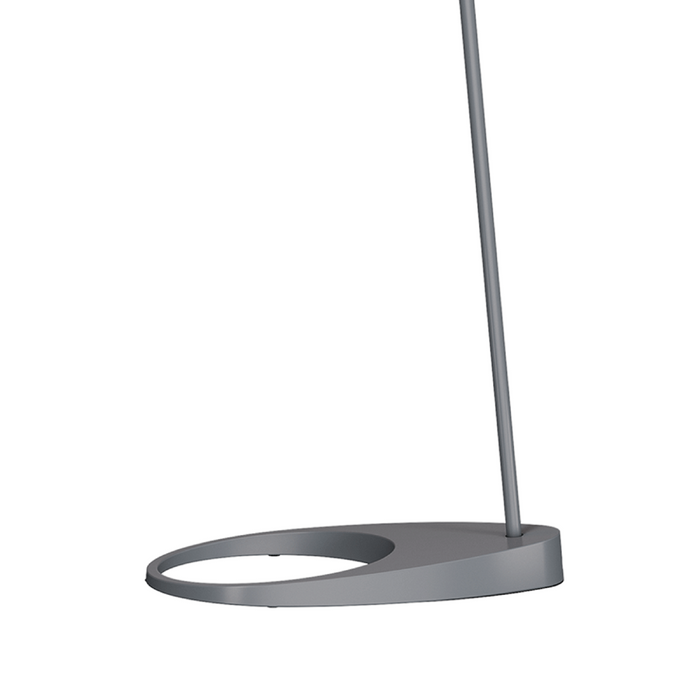
AJ Floor Lamp
Arne Jacobsen designed the AJ lamp for the SAS Royal Hotel in Copenhagen (now the Radisson Collection) in 1957. Today, the AJ family is considered the design that made the Danish architect world-famous. In combination with the AJ Royal pendant light, the AJ lamp was part of Jacobsen's overall design concept for the hotel. Arne Jacobsen not only designed the hotel down to the smallest detail for SAS (Scandinavian Airlines), but also designed almost all of the hotel's furniture and other utilitarian objects.
The silhouette of the AJ lamp, with its straight lines and combination of oblique and right angles, is seen not only as a formal parallel to the silhouette of the Series 3300 seating, but also to the very geometry of the buildings. The AJ lamp, in copper and stainless steel, was used in various areas of the hotel. Like the AJ pendant lamp, it was initially available in light gray, dark brown, and black. New colors have been introduced over the years in honor of the series' anniversaries. All versions of the AJ lamp have been reintroduced in their original stainless steel version, which reflects its surroundings in true Arne Jacobsen style and underlines the lamp's distinctive, minimalist form and impeccable light emission.
*This product is usually in stock and delivers within 3 to 5 days. Occasionally, some versions may require a delivery time of several weeks. If this is the case, we will notify you immediately.
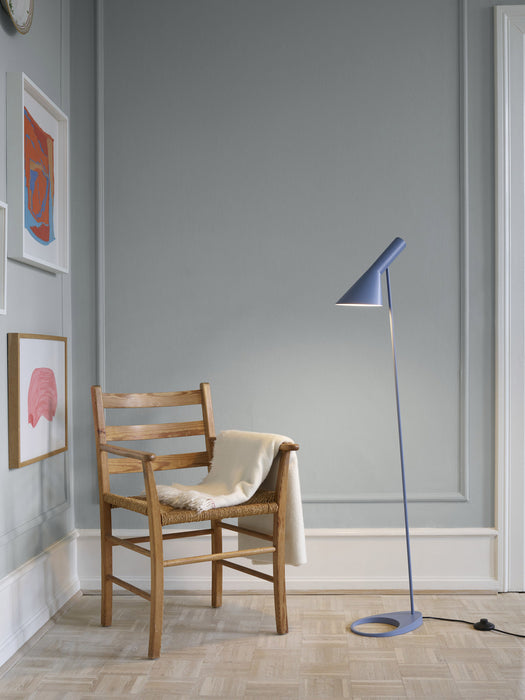
AJ Floor Lamp
Arne Jacobsen designed the AJ lamp for the SAS Royal Hotel in Copenhagen (now the Radisson Collection) in 1957. Today, the AJ family is considered the design that made the Danish architect world-famous. In combination with the AJ Royal pendant light, the AJ lamp was part of Jacobsen's overall design concept for the hotel. Arne Jacobsen not only designed the hotel down to the smallest detail for SAS (Scandinavian Airlines), but also designed almost all of the hotel's furniture and other utilitarian objects.
The silhouette of the AJ lamp, with its straight lines and combination of oblique and right angles, is seen not only as a formal parallel to the silhouette of the Series 3300 seating, but also to the very geometry of the buildings. The AJ lamp, in copper and stainless steel, was used in various areas of the hotel. Like the AJ pendant lamp, it was initially available in light gray, dark brown, and black. New colors have been introduced over the years in honor of the series' anniversaries. All versions of the AJ lamp have been reintroduced in their original stainless steel version, which reflects its surroundings in true Arne Jacobsen style and underlines the lamp's distinctive, minimalist form and impeccable light emission.
*This product is usually in stock and delivers within 3 to 5 days. Occasionally, some versions may require a delivery time of several weeks. If this is the case, we will notify you immediately.
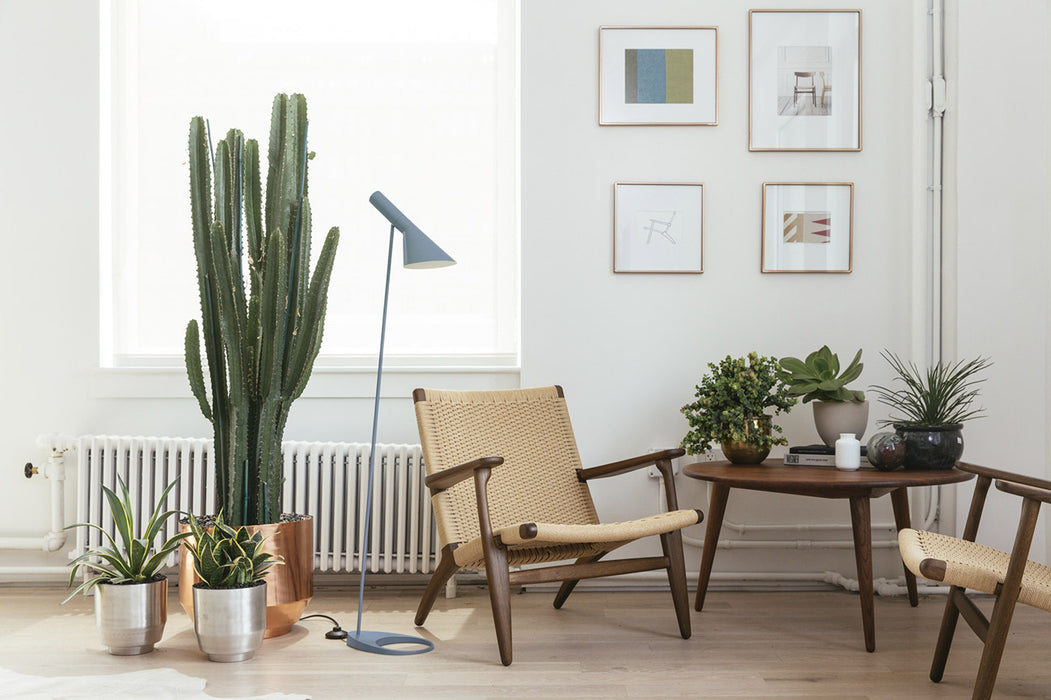
AJ Floor Lamp
Arne Jacobsen designed the AJ lamp for the SAS Royal Hotel in Copenhagen (now the Radisson Collection) in 1957. Today, the AJ family is considered the design that made the Danish architect world-famous. In combination with the AJ Royal pendant light, the AJ lamp was part of Jacobsen's overall design concept for the hotel. Arne Jacobsen not only designed the hotel down to the smallest detail for SAS (Scandinavian Airlines), but also designed almost all of the hotel's furniture and other utilitarian objects.
The silhouette of the AJ lamp, with its straight lines and combination of oblique and right angles, is seen not only as a formal parallel to the silhouette of the Series 3300 seating, but also to the very geometry of the buildings. The AJ lamp, in copper and stainless steel, was used in various areas of the hotel. Like the AJ pendant lamp, it was initially available in light gray, dark brown, and black. New colors have been introduced over the years in honor of the series' anniversaries. All versions of the AJ lamp have been reintroduced in their original stainless steel version, which reflects its surroundings in true Arne Jacobsen style and underlines the lamp's distinctive, minimalist form and impeccable light emission.
*This product is usually in stock and delivers within 3 to 5 days. Occasionally, some versions may require a delivery time of several weeks. If this is the case, we will notify you immediately.
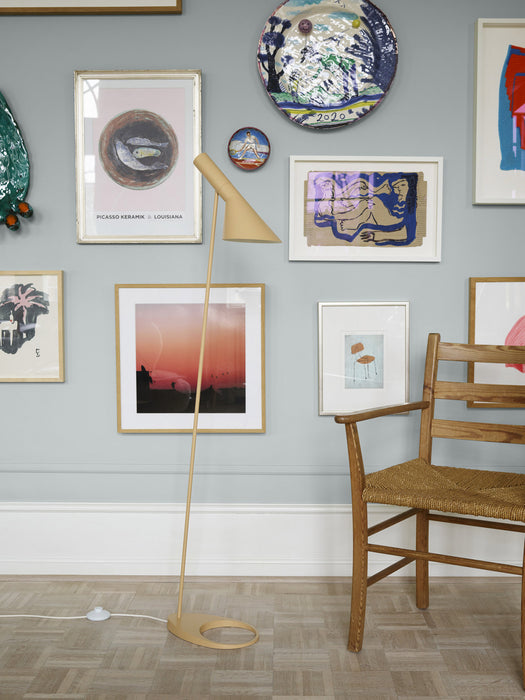
AJ Floor Lamp
Arne Jacobsen designed the AJ lamp for the SAS Royal Hotel in Copenhagen (now the Radisson Collection) in 1957. Today, the AJ family is considered the design that made the Danish architect world-famous. In combination with the AJ Royal pendant light, the AJ lamp was part of Jacobsen's overall design concept for the hotel. Arne Jacobsen not only designed the hotel down to the smallest detail for SAS (Scandinavian Airlines), but also designed almost all of the hotel's furniture and other utilitarian objects.
The silhouette of the AJ lamp, with its straight lines and combination of oblique and right angles, is seen not only as a formal parallel to the silhouette of the Series 3300 seating, but also to the very geometry of the buildings. The AJ lamp, in copper and stainless steel, was used in various areas of the hotel. Like the AJ pendant lamp, it was initially available in light gray, dark brown, and black. New colors have been introduced over the years in honor of the series' anniversaries. All versions of the AJ lamp have been reintroduced in their original stainless steel version, which reflects its surroundings in true Arne Jacobsen style and underlines the lamp's distinctive, minimalist form and impeccable light emission.
*This product is usually in stock and delivers within 3 to 5 days. Occasionally, some versions may require a delivery time of several weeks. If this is the case, we will notify you immediately.
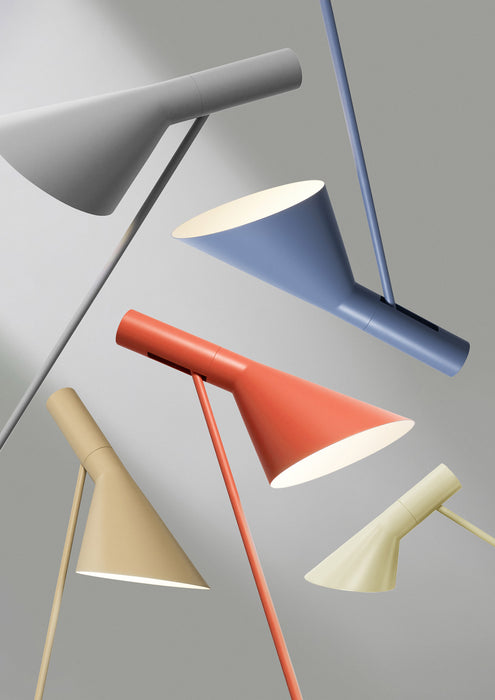
AJ Floor Lamp
Arne Jacobsen designed the AJ lamp for the SAS Royal Hotel in Copenhagen (now the Radisson Collection) in 1957. Today, the AJ family is considered the design that made the Danish architect world-famous. In combination with the AJ Royal pendant light, the AJ lamp was part of Jacobsen's overall design concept for the hotel. Arne Jacobsen not only designed the hotel down to the smallest detail for SAS (Scandinavian Airlines), but also designed almost all of the hotel's furniture and other utilitarian objects.
The silhouette of the AJ lamp, with its straight lines and combination of oblique and right angles, is seen not only as a formal parallel to the silhouette of the Series 3300 seating, but also to the very geometry of the buildings. The AJ lamp, in copper and stainless steel, was used in various areas of the hotel. Like the AJ pendant lamp, it was initially available in light gray, dark brown, and black. New colors have been introduced over the years in honor of the series' anniversaries. All versions of the AJ lamp have been reintroduced in their original stainless steel version, which reflects its surroundings in true Arne Jacobsen style and underlines the lamp's distinctive, minimalist form and impeccable light emission.
*This product is usually in stock and delivers within 3 to 5 days. Occasionally, some versions may require a delivery time of several weeks. If this is the case, we will notify you immediately.
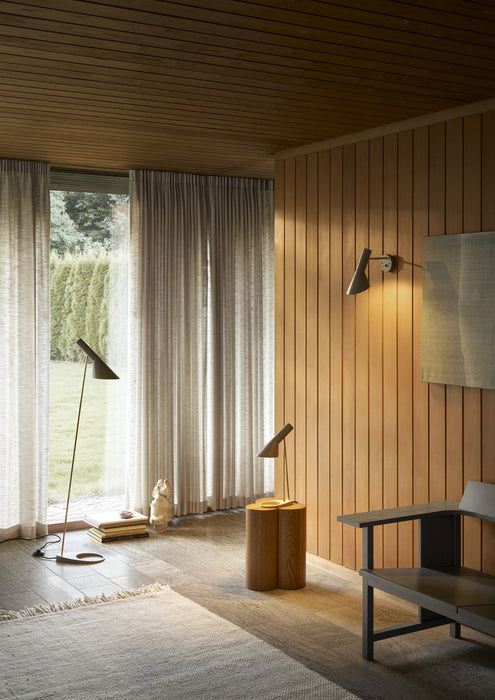
AJ Floor Lamp
Arne Jacobsen designed the AJ lamp for the SAS Royal Hotel in Copenhagen (now the Radisson Collection) in 1957. Today, the AJ family is considered the design that made the Danish architect world-famous. In combination with the AJ Royal pendant light, the AJ lamp was part of Jacobsen's overall design concept for the hotel. Arne Jacobsen not only designed the hotel down to the smallest detail for SAS (Scandinavian Airlines), but also designed almost all of the hotel's furniture and other utilitarian objects.
The silhouette of the AJ lamp, with its straight lines and combination of oblique and right angles, is seen not only as a formal parallel to the silhouette of the Series 3300 seating, but also to the very geometry of the buildings. The AJ lamp, in copper and stainless steel, was used in various areas of the hotel. Like the AJ pendant lamp, it was initially available in light gray, dark brown, and black. New colors have been introduced over the years in honor of the series' anniversaries. All versions of the AJ lamp have been reintroduced in their original stainless steel version, which reflects its surroundings in true Arne Jacobsen style and underlines the lamp's distinctive, minimalist form and impeccable light emission.
*This product is usually in stock and delivers within 3 to 5 days. Occasionally, some versions may require a delivery time of several weeks. If this is the case, we will notify you immediately.
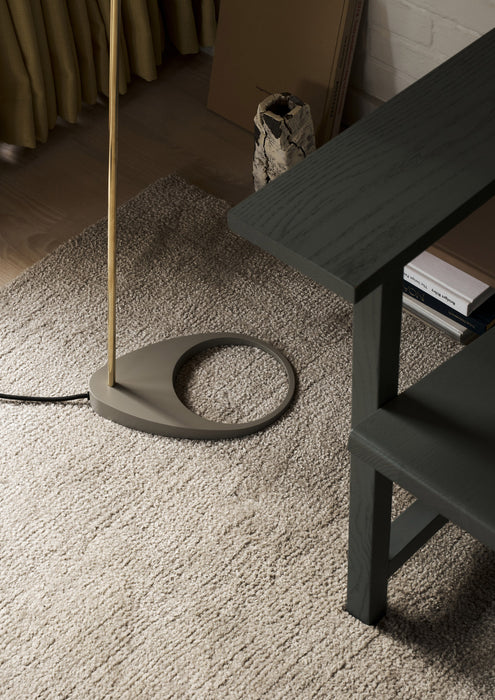
AJ Floor Lamp
Arne Jacobsen designed the AJ lamp for the SAS Royal Hotel in Copenhagen (now the Radisson Collection) in 1957. Today, the AJ family is considered the design that made the Danish architect world-famous. In combination with the AJ Royal pendant light, the AJ lamp was part of Jacobsen's overall design concept for the hotel. Arne Jacobsen not only designed the hotel down to the smallest detail for SAS (Scandinavian Airlines), but also designed almost all of the hotel's furniture and other utilitarian objects.
The silhouette of the AJ lamp, with its straight lines and combination of oblique and right angles, is seen not only as a formal parallel to the silhouette of the Series 3300 seating, but also to the very geometry of the buildings. The AJ lamp, in copper and stainless steel, was used in various areas of the hotel. Like the AJ pendant lamp, it was initially available in light gray, dark brown, and black. New colors have been introduced over the years in honor of the series' anniversaries. All versions of the AJ lamp have been reintroduced in their original stainless steel version, which reflects its surroundings in true Arne Jacobsen style and underlines the lamp's distinctive, minimalist form and impeccable light emission.
*This product is usually in stock and delivers within 3 to 5 days. Occasionally, some versions may require a delivery time of several weeks. If this is the case, we will notify you immediately.
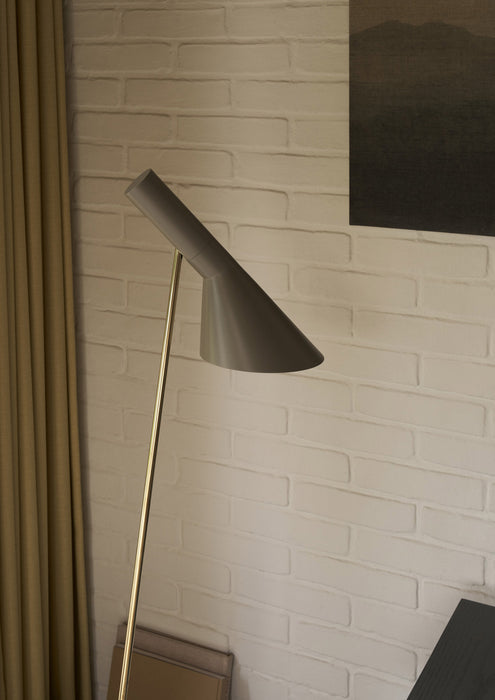
AJ Floor Lamp
Arne Jacobsen designed the AJ lamp for the SAS Royal Hotel in Copenhagen (now the Radisson Collection) in 1957. Today, the AJ family is considered the design that made the Danish architect world-famous. In combination with the AJ Royal pendant light, the AJ lamp was part of Jacobsen's overall design concept for the hotel. Arne Jacobsen not only designed the hotel down to the smallest detail for SAS (Scandinavian Airlines), but also designed almost all of the hotel's furniture and other utilitarian objects.
The silhouette of the AJ lamp, with its straight lines and combination of oblique and right angles, is seen not only as a formal parallel to the silhouette of the Series 3300 seating, but also to the very geometry of the buildings. The AJ lamp, in copper and stainless steel, was used in various areas of the hotel. Like the AJ pendant lamp, it was initially available in light gray, dark brown, and black. New colors have been introduced over the years in honor of the series' anniversaries. All versions of the AJ lamp have been reintroduced in their original stainless steel version, which reflects its surroundings in true Arne Jacobsen style and underlines the lamp's distinctive, minimalist form and impeccable light emission.
*This product is usually in stock and delivers within 3 to 5 days. Occasionally, some versions may require a delivery time of several weeks. If this is the case, we will notify you immediately.
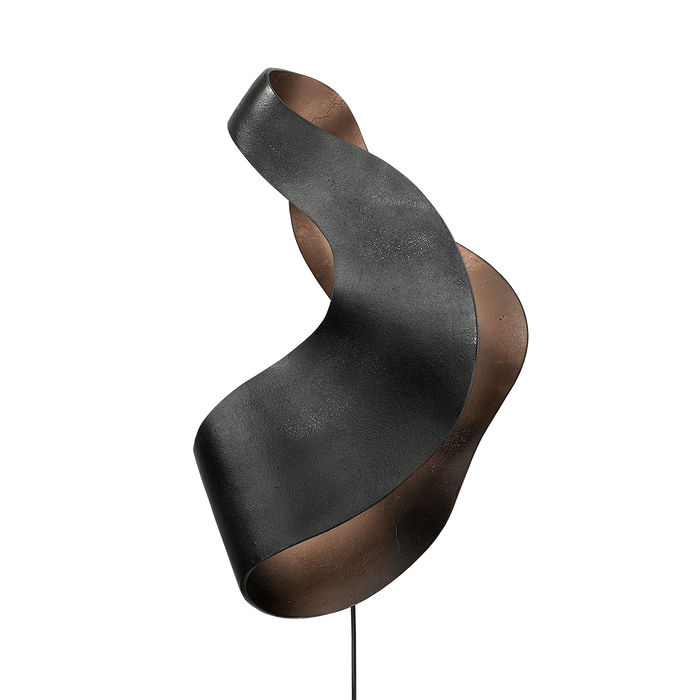
Oyster wall lamp
Crafted from recycled cast aluminum, the Oyster wall lamp has a decorative and organic form thanks to its soft, dynamic curves. Reminiscent of shells collected on the beach, the lamp's texture and finish have a rough, distinctive expression due to the casting process, and the interplay between its organic shape and the raw surface creates a compelling contrast. Designed with an LED light source, the Oyster wall lamp plays with light and shadow to highlight the uniqueness of the material, as well as its organic form.
Ver producto relacionado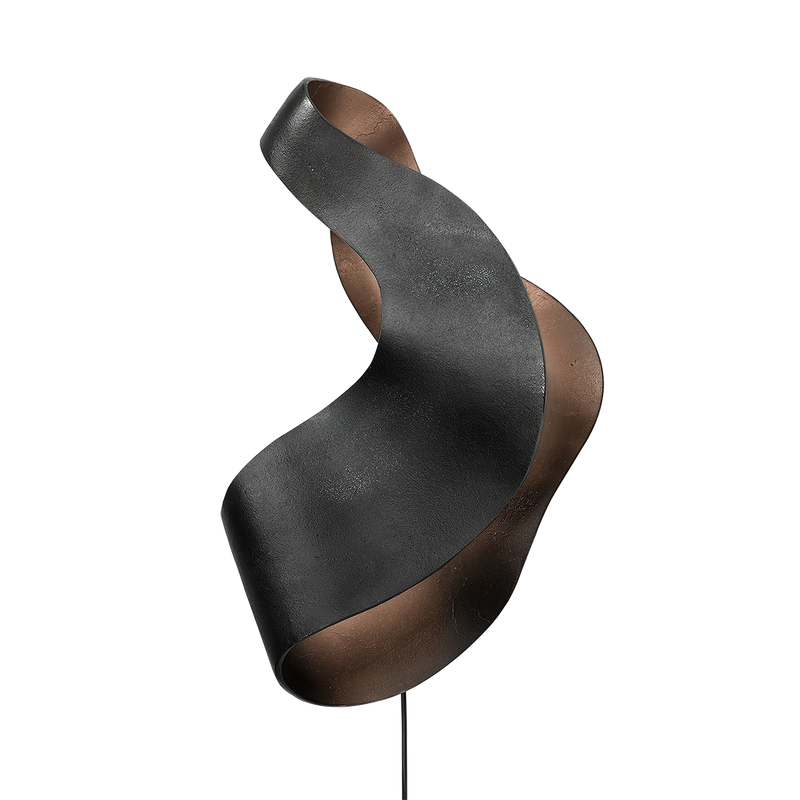
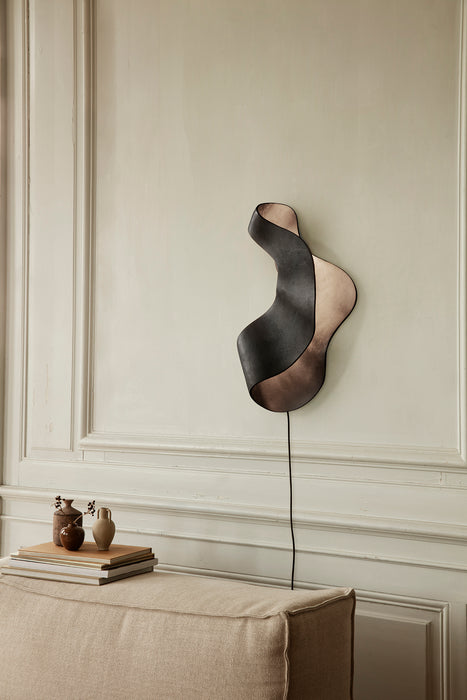
Oyster wall lamp
Crafted from recycled cast aluminum, the Oyster wall lamp has a decorative and organic form thanks to its soft, dynamic curves. Reminiscent of shells collected on the beach, the lamp's texture and finish have a rough, distinctive expression due to the casting process, and the interplay between its organic shape and the raw surface creates a compelling contrast. Designed with an LED light source, the Oyster wall lamp plays with light and shadow to highlight the uniqueness of the material, as well as its organic form.
Ver producto relacionado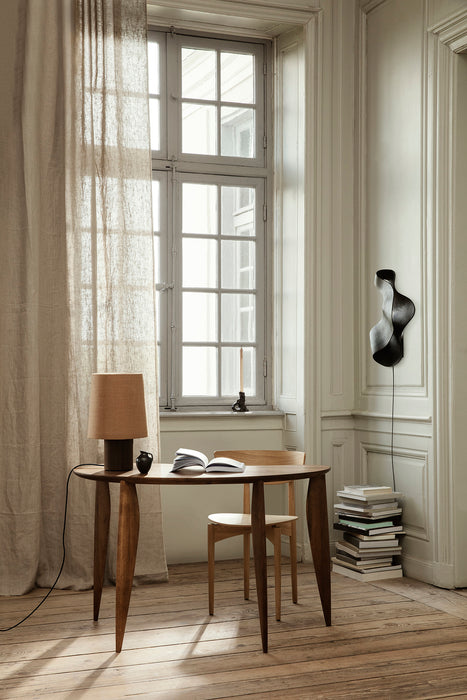
Oyster wall lamp
Crafted from recycled cast aluminum, the Oyster wall lamp has a decorative and organic form thanks to its soft, dynamic curves. Reminiscent of shells collected on the beach, the lamp's texture and finish have a rough, distinctive expression due to the casting process, and the interplay between its organic shape and the raw surface creates a compelling contrast. Designed with an LED light source, the Oyster wall lamp plays with light and shadow to highlight the uniqueness of the material, as well as its organic form.
Ver producto relacionado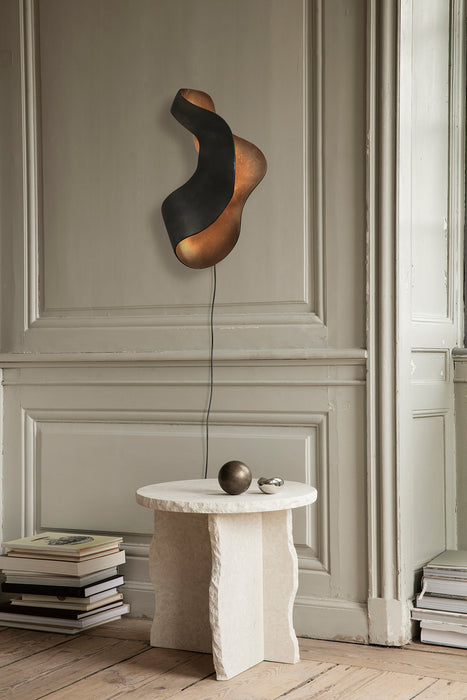
Oyster wall lamp
Crafted from recycled cast aluminum, the Oyster wall lamp has a decorative and organic form thanks to its soft, dynamic curves. Reminiscent of shells collected on the beach, the lamp's texture and finish have a rough, distinctive expression due to the casting process, and the interplay between its organic shape and the raw surface creates a compelling contrast. Designed with an LED light source, the Oyster wall lamp plays with light and shadow to highlight the uniqueness of the material, as well as its organic form.
Ver producto relacionado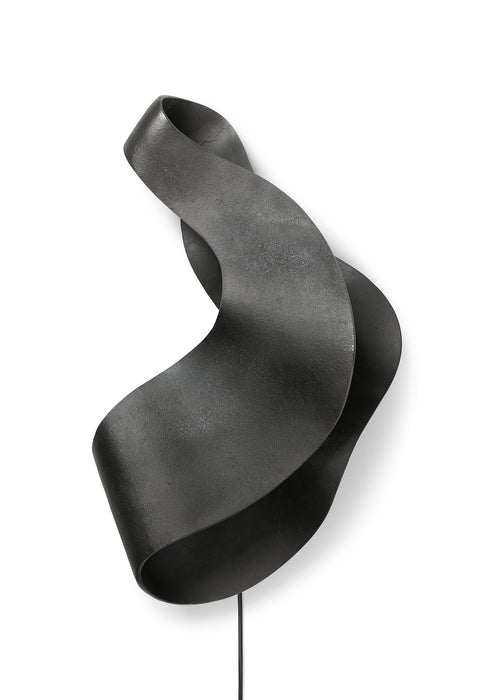
Oyster wall lamp
Crafted from recycled cast aluminum, the Oyster wall lamp has a decorative and organic form thanks to its soft, dynamic curves. Reminiscent of shells collected on the beach, the lamp's texture and finish have a rough, distinctive expression due to the casting process, and the interplay between its organic shape and the raw surface creates a compelling contrast. Designed with an LED light source, the Oyster wall lamp plays with light and shadow to highlight the uniqueness of the material, as well as its organic form.
Ver producto relacionado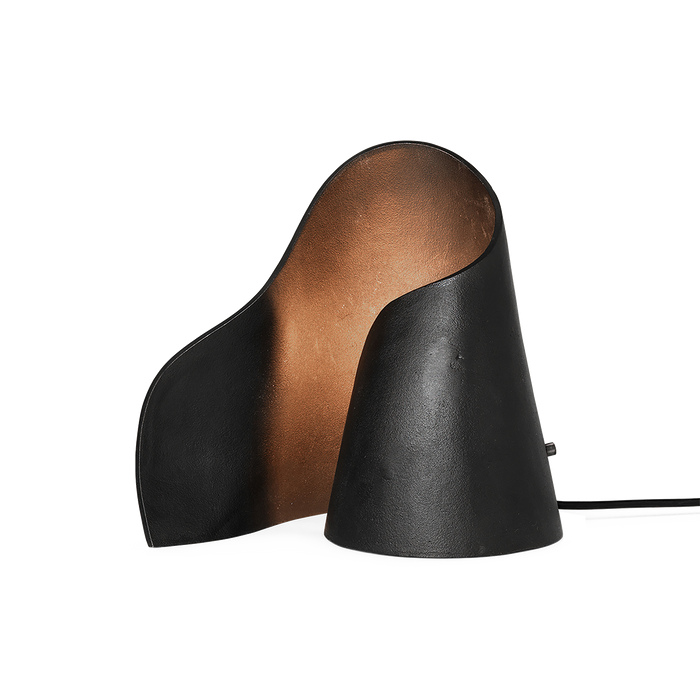
Oyster table lamp
Crafted from recycled cast aluminum, the Oyster table lamp has a decorative and organic shape thanks to its soft, dynamic curves. Reminiscent of shells collected on the beach, the lamp's texture and finish have a rough, distinctive expression due to the casting process, and the interplay between its organic form and the raw surface creates a compelling contrast. Emitting a soft, inviting, diffused light, the Oyster table lamp is a functional yet sculptural piece that will add a high decorative value to your home.
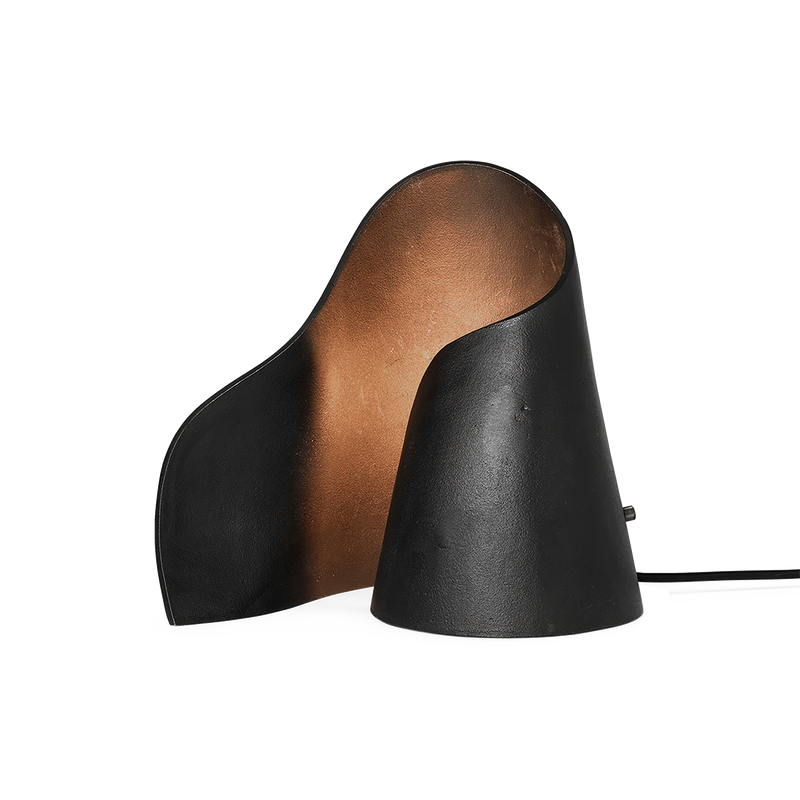
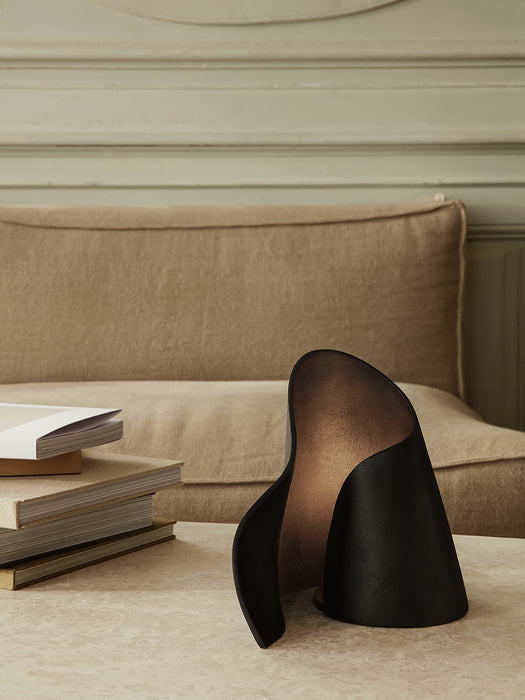
Oyster table lamp
Crafted from recycled cast aluminum, the Oyster table lamp has a decorative and organic shape thanks to its soft, dynamic curves. Reminiscent of shells collected on the beach, the lamp's texture and finish have a rough, distinctive expression due to the casting process, and the interplay between its organic form and the raw surface creates a compelling contrast. Emitting a soft, inviting, diffused light, the Oyster table lamp is a functional yet sculptural piece that will add a high decorative value to your home.
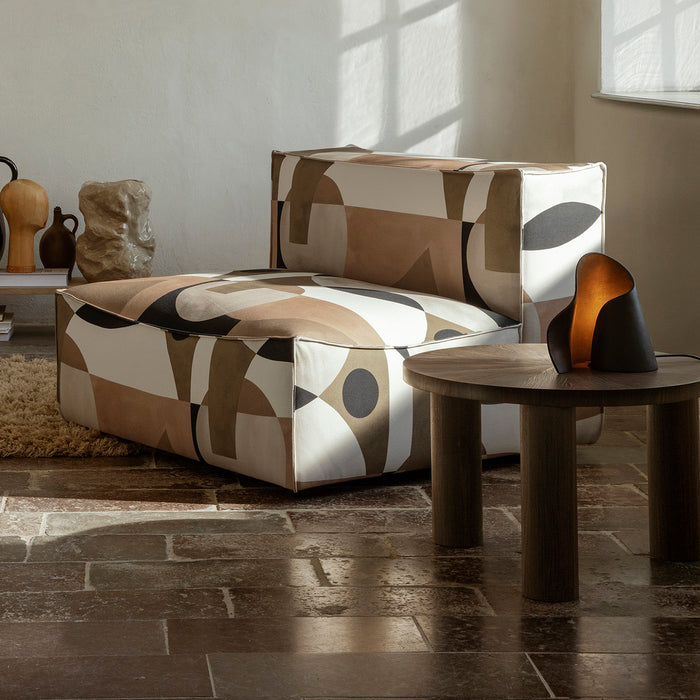
Oyster table lamp
Crafted from recycled cast aluminum, the Oyster table lamp has a decorative and organic shape thanks to its soft, dynamic curves. Reminiscent of shells collected on the beach, the lamp's texture and finish have a rough, distinctive expression due to the casting process, and the interplay between its organic form and the raw surface creates a compelling contrast. Emitting a soft, inviting, diffused light, the Oyster table lamp is a functional yet sculptural piece that will add a high decorative value to your home.
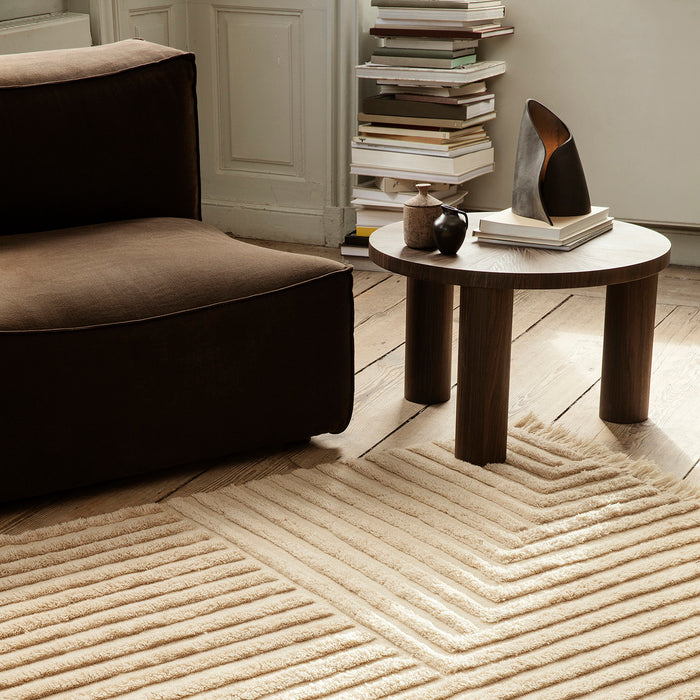
Oyster table lamp
Crafted from recycled cast aluminum, the Oyster table lamp has a decorative and organic shape thanks to its soft, dynamic curves. Reminiscent of shells collected on the beach, the lamp's texture and finish have a rough, distinctive expression due to the casting process, and the interplay between its organic form and the raw surface creates a compelling contrast. Emitting a soft, inviting, diffused light, the Oyster table lamp is a functional yet sculptural piece that will add a high decorative value to your home.
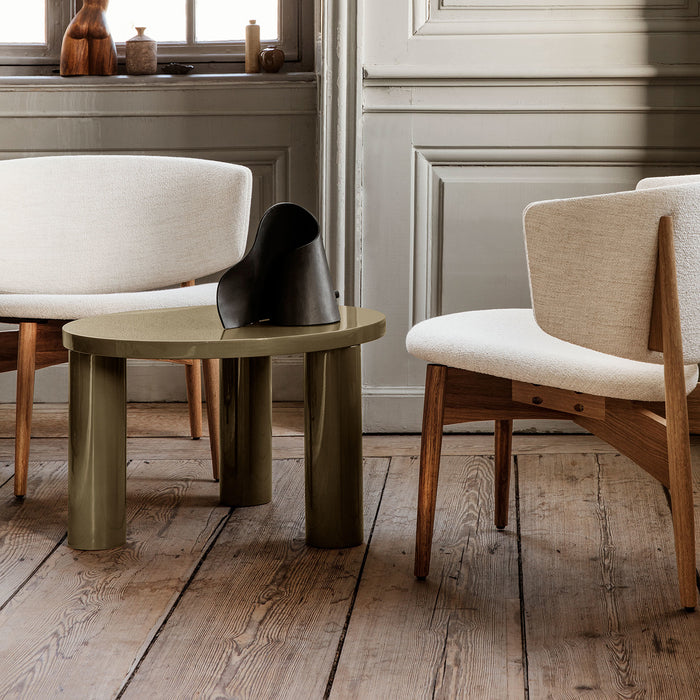
Oyster table lamp
Crafted from recycled cast aluminum, the Oyster table lamp has a decorative and organic shape thanks to its soft, dynamic curves. Reminiscent of shells collected on the beach, the lamp's texture and finish have a rough, distinctive expression due to the casting process, and the interplay between its organic form and the raw surface creates a compelling contrast. Emitting a soft, inviting, diffused light, the Oyster table lamp is a functional yet sculptural piece that will add a high decorative value to your home.
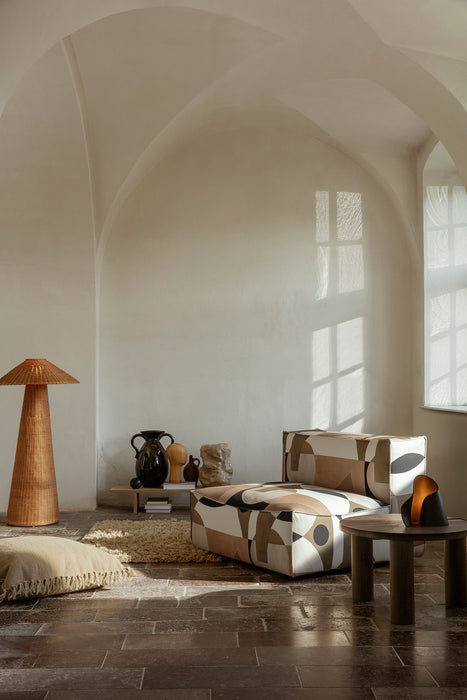
Oyster table lamp
Crafted from recycled cast aluminum, the Oyster table lamp has a decorative and organic shape thanks to its soft, dynamic curves. Reminiscent of shells collected on the beach, the lamp's texture and finish have a rough, distinctive expression due to the casting process, and the interplay between its organic form and the raw surface creates a compelling contrast. Emitting a soft, inviting, diffused light, the Oyster table lamp is a functional yet sculptural piece that will add a high decorative value to your home.
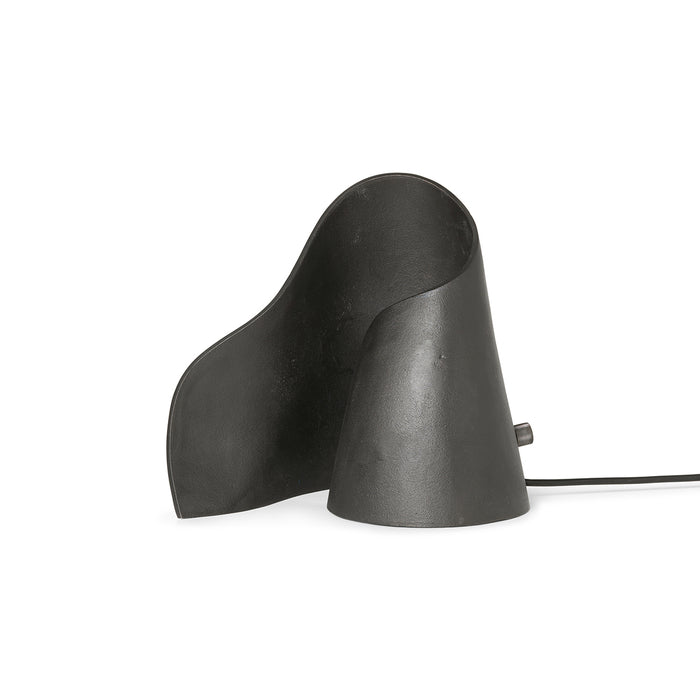
Oyster table lamp
Crafted from recycled cast aluminum, the Oyster table lamp has a decorative and organic shape thanks to its soft, dynamic curves. Reminiscent of shells collected on the beach, the lamp's texture and finish have a rough, distinctive expression due to the casting process, and the interplay between its organic form and the raw surface creates a compelling contrast. Emitting a soft, inviting, diffused light, the Oyster table lamp is a functional yet sculptural piece that will add a high decorative value to your home.
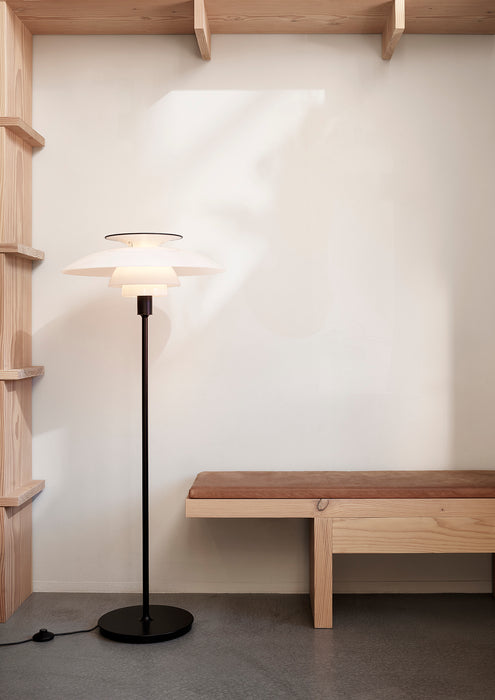
Floor lamp PH 80
This design is based on Poul Henningsen's famous three-shade system, created in 1925 to create exceptional glare-free lighting.
Henningsen's approach to lighting was distinguished by its scientific approach and served as the basis for the design of many other luminaires. He used the lituus curve as a foundation and achieved uniform light distribution thanks to the multi-shade system, which reduced glare and shadows.
PH 80 was created in 1974 in homage to what would have been Poul Henningsen's 80th birthday, as its name suggests.
*This product is usually in stock and delivers within 3 to 5 days. Occasionally, some versions may require a delivery time of several weeks. If this is the case, we will notify you immediately.
Ver producto relacionado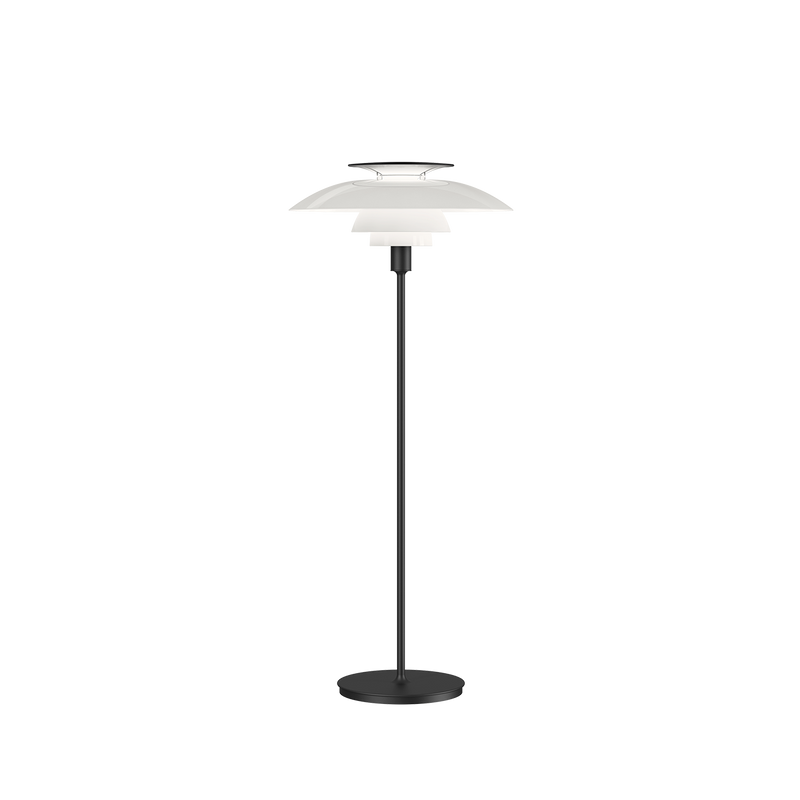
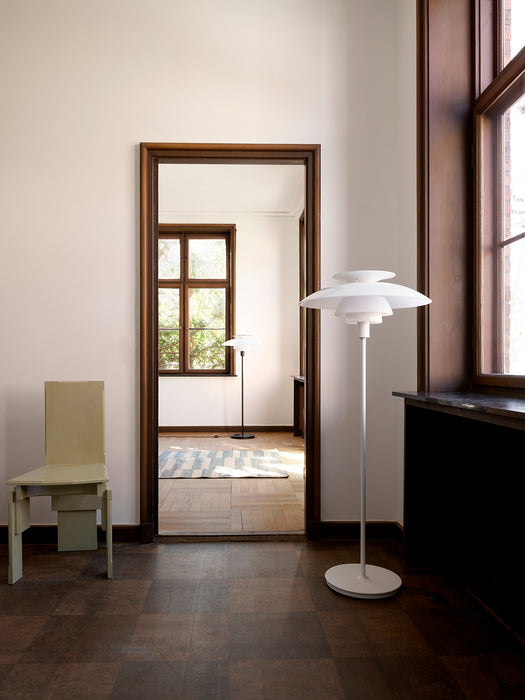
Floor lamp PH 80
This design is based on Poul Henningsen's famous three-shade system, created in 1925 to create exceptional glare-free lighting.
Henningsen's approach to lighting was distinguished by its scientific approach and served as the basis for the design of many other luminaires. He used the lituus curve as a foundation and achieved uniform light distribution thanks to the multi-shade system, which reduced glare and shadows.
PH 80 was created in 1974 in homage to what would have been Poul Henningsen's 80th birthday, as its name suggests.
*This product is usually in stock and delivers within 3 to 5 days. Occasionally, some versions may require a delivery time of several weeks. If this is the case, we will notify you immediately.
Ver producto relacionado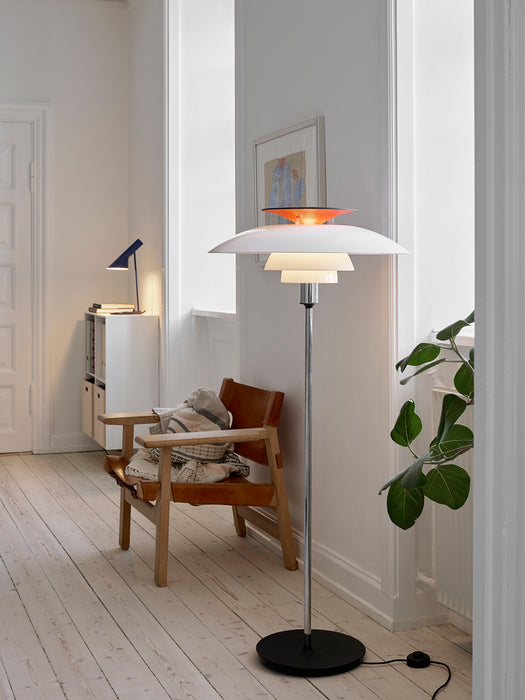
Floor lamp PH 80
This design is based on Poul Henningsen's famous three-shade system, created in 1925 to create exceptional glare-free lighting.
Henningsen's approach to lighting was distinguished by its scientific approach and served as the basis for the design of many other luminaires. He used the lituus curve as a foundation and achieved uniform light distribution thanks to the multi-shade system, which reduced glare and shadows.
PH 80 was created in 1974 in homage to what would have been Poul Henningsen's 80th birthday, as its name suggests.
*This product is usually in stock and delivers within 3 to 5 days. Occasionally, some versions may require a delivery time of several weeks. If this is the case, we will notify you immediately.
Ver producto relacionado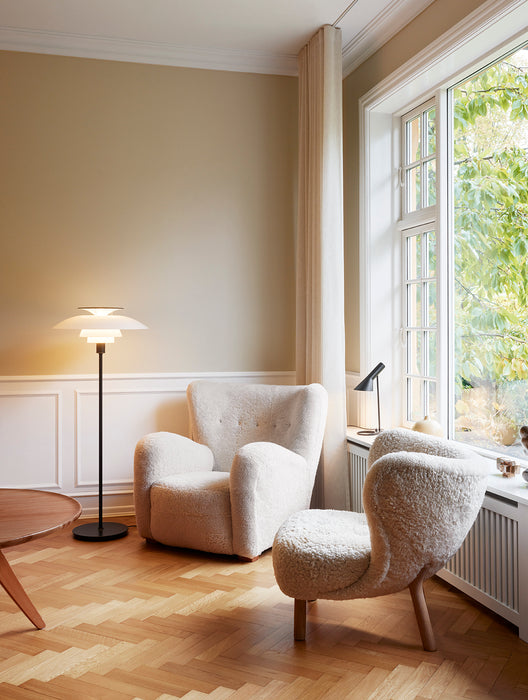
Floor lamp PH 80
This design is based on Poul Henningsen's famous three-shade system, created in 1925 to create exceptional glare-free lighting.
Henningsen's approach to lighting was distinguished by its scientific approach and served as the basis for the design of many other luminaires. He used the lituus curve as a foundation and achieved uniform light distribution thanks to the multi-shade system, which reduced glare and shadows.
PH 80 was created in 1974 in homage to what would have been Poul Henningsen's 80th birthday, as its name suggests.
*This product is usually in stock and delivers within 3 to 5 days. Occasionally, some versions may require a delivery time of several weeks. If this is the case, we will notify you immediately.
Ver producto relacionado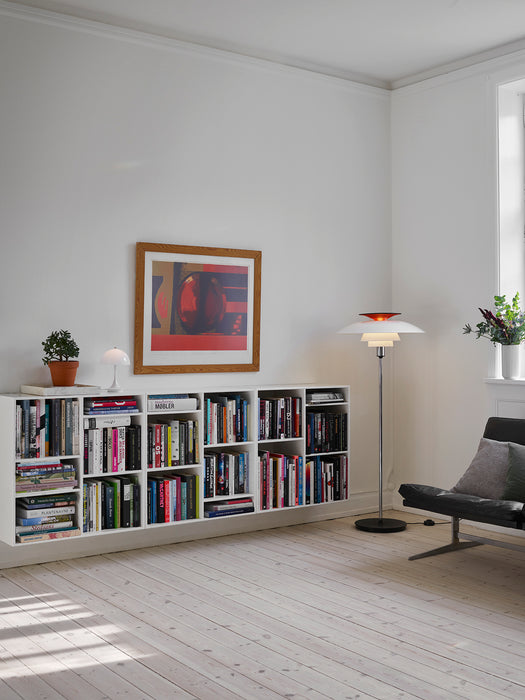
Floor lamp PH 80
This design is based on Poul Henningsen's famous three-shade system, created in 1925 to create exceptional glare-free lighting.
Henningsen's approach to lighting was distinguished by its scientific approach and served as the basis for the design of many other luminaires. He used the lituus curve as a foundation and achieved uniform light distribution thanks to the multi-shade system, which reduced glare and shadows.
PH 80 was created in 1974 in homage to what would have been Poul Henningsen's 80th birthday, as its name suggests.
*This product is usually in stock and delivers within 3 to 5 days. Occasionally, some versions may require a delivery time of several weeks. If this is the case, we will notify you immediately.
Ver producto relacionado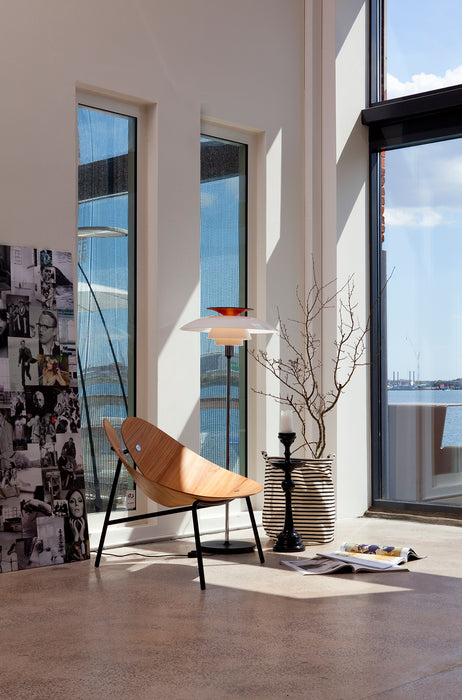
Floor lamp PH 80
This design is based on Poul Henningsen's famous three-shade system, created in 1925 to create exceptional glare-free lighting.
Henningsen's approach to lighting was distinguished by its scientific approach and served as the basis for the design of many other luminaires. He used the lituus curve as a foundation and achieved uniform light distribution thanks to the multi-shade system, which reduced glare and shadows.
PH 80 was created in 1974 in homage to what would have been Poul Henningsen's 80th birthday, as its name suggests.
*This product is usually in stock and delivers within 3 to 5 days. Occasionally, some versions may require a delivery time of several weeks. If this is the case, we will notify you immediately.
Ver producto relacionado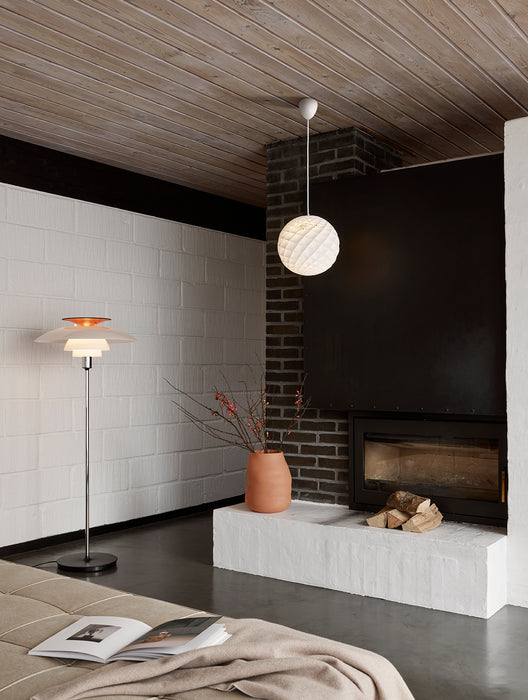
Floor lamp PH 80
This design is based on Poul Henningsen's famous three-shade system, created in 1925 to create exceptional glare-free lighting.
Henningsen's approach to lighting was distinguished by its scientific approach and served as the basis for the design of many other luminaires. He used the lituus curve as a foundation and achieved uniform light distribution thanks to the multi-shade system, which reduced glare and shadows.
PH 80 was created in 1974 in homage to what would have been Poul Henningsen's 80th birthday, as its name suggests.
*This product is usually in stock and delivers within 3 to 5 days. Occasionally, some versions may require a delivery time of several weeks. If this is the case, we will notify you immediately.
Ver producto relacionado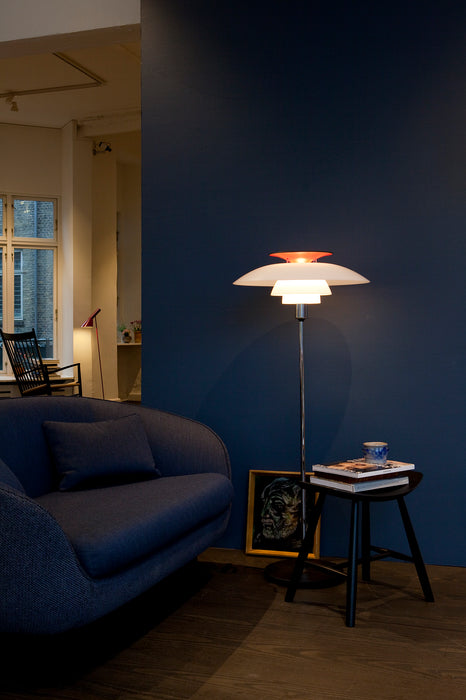
Floor lamp PH 80
This design is based on Poul Henningsen's famous three-shade system, created in 1925 to create exceptional glare-free lighting.
Henningsen's approach to lighting was distinguished by its scientific approach and served as the basis for the design of many other luminaires. He used the lituus curve as a foundation and achieved uniform light distribution thanks to the multi-shade system, which reduced glare and shadows.
PH 80 was created in 1974 in homage to what would have been Poul Henningsen's 80th birthday, as its name suggests.
*This product is usually in stock and delivers within 3 to 5 days. Occasionally, some versions may require a delivery time of several weeks. If this is the case, we will notify you immediately.
Ver producto relacionado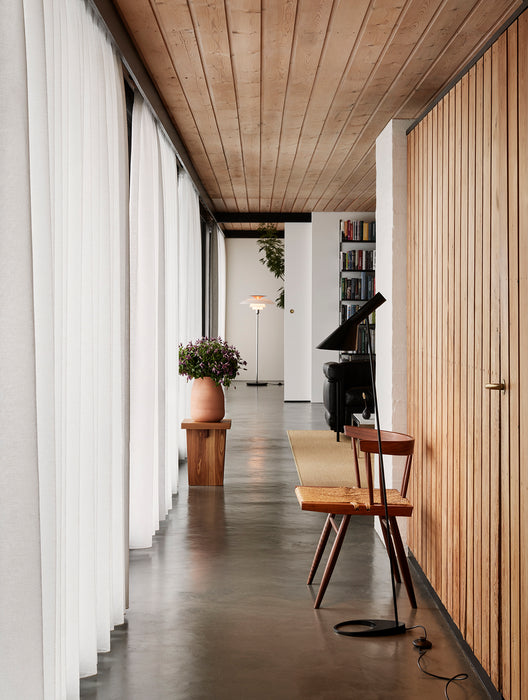
Floor lamp PH 80
This design is based on Poul Henningsen's famous three-shade system, created in 1925 to create exceptional glare-free lighting.
Henningsen's approach to lighting was distinguished by its scientific approach and served as the basis for the design of many other luminaires. He used the lituus curve as a foundation and achieved uniform light distribution thanks to the multi-shade system, which reduced glare and shadows.
PH 80 was created in 1974 in homage to what would have been Poul Henningsen's 80th birthday, as its name suggests.
*This product is usually in stock and delivers within 3 to 5 days. Occasionally, some versions may require a delivery time of several weeks. If this is the case, we will notify you immediately.
Ver producto relacionado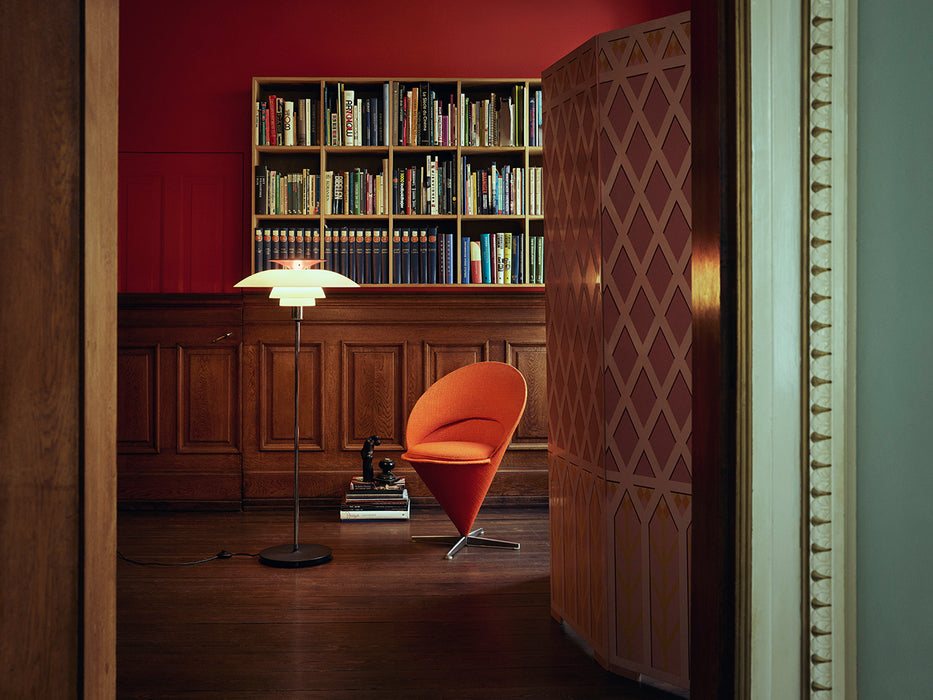
Floor lamp PH 80
This design is based on Poul Henningsen's famous three-shade system, created in 1925 to create exceptional glare-free lighting.
Henningsen's approach to lighting was distinguished by its scientific approach and served as the basis for the design of many other luminaires. He used the lituus curve as a foundation and achieved uniform light distribution thanks to the multi-shade system, which reduced glare and shadows.
PH 80 was created in 1974 in homage to what would have been Poul Henningsen's 80th birthday, as its name suggests.
*This product is usually in stock and delivers within 3 to 5 days. Occasionally, some versions may require a delivery time of several weeks. If this is the case, we will notify you immediately.
Ver producto relacionado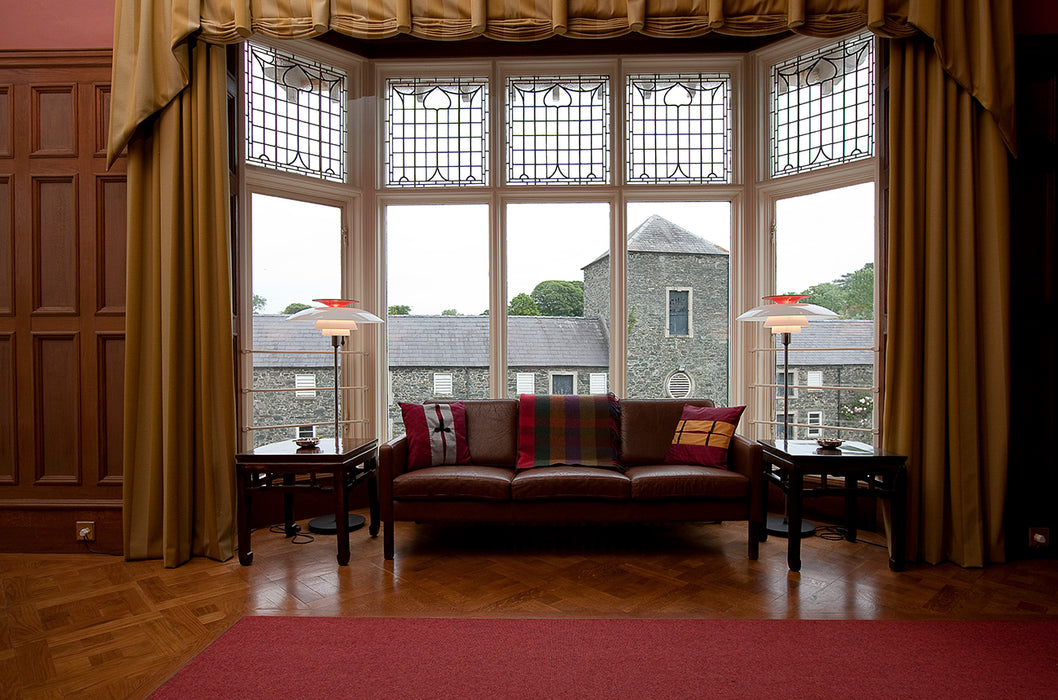
Floor lamp PH 80
This design is based on Poul Henningsen's famous three-shade system, created in 1925 to create exceptional glare-free lighting.
Henningsen's approach to lighting was distinguished by its scientific approach and served as the basis for the design of many other luminaires. He used the lituus curve as a foundation and achieved uniform light distribution thanks to the multi-shade system, which reduced glare and shadows.
PH 80 was created in 1974 in homage to what would have been Poul Henningsen's 80th birthday, as its name suggests.
*This product is usually in stock and delivers within 3 to 5 days. Occasionally, some versions may require a delivery time of several weeks. If this is the case, we will notify you immediately.
Ver producto relacionado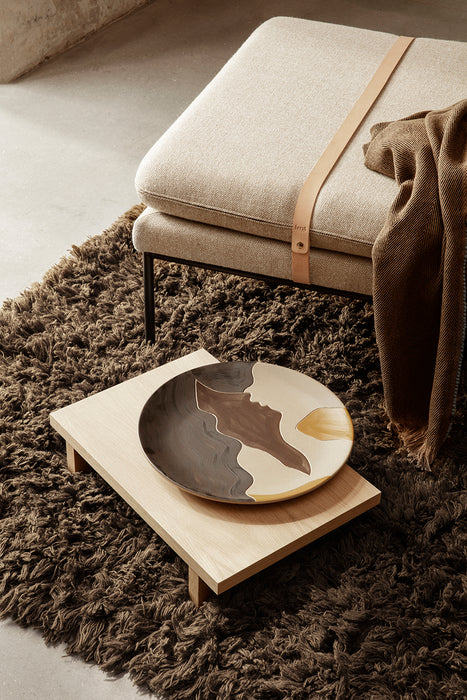
Daybed Turn
The strict horizontal lines, along with its slim, powder-coated metal legs, give this daybed a sleek, lightweight look. Equipped with two leather harness-style straps, a fresh, modern detail adds to the high-quality feel and keeps the cushion firmly in place. Flip the reversible two-tone cushion over to create an understated, classic statement or a bolder, more distinctive one, depending on your mood or personal style.

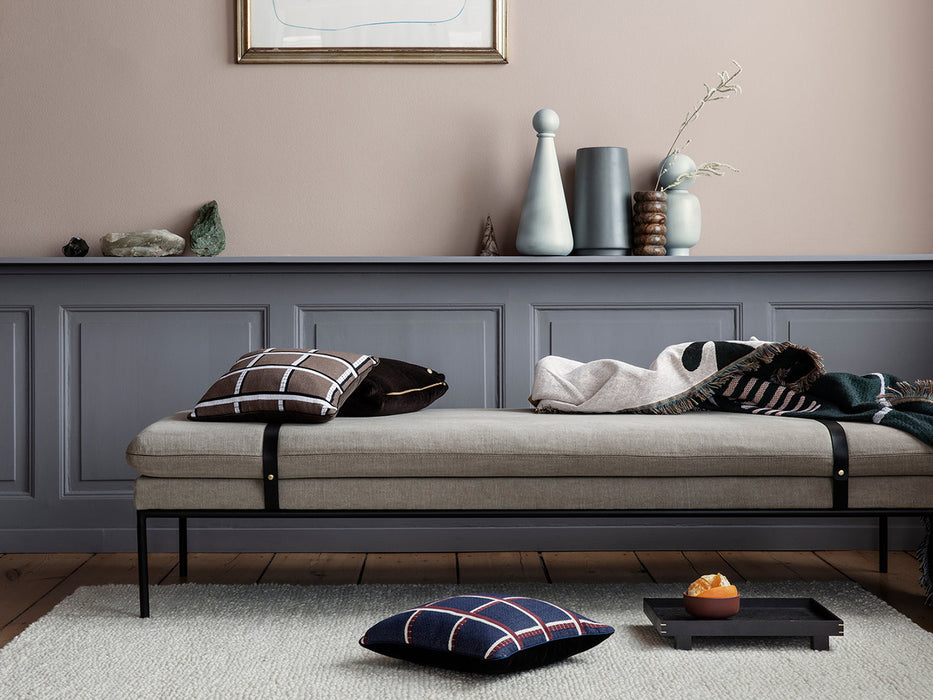
Daybed Turn
The strict horizontal lines, along with its slim, powder-coated metal legs, give this daybed a sleek, lightweight look. Equipped with two leather harness-style straps, a fresh, modern detail adds to the high-quality feel and keeps the cushion firmly in place. Flip the reversible two-tone cushion over to create an understated, classic statement or a bolder, more distinctive one, depending on your mood or personal style.
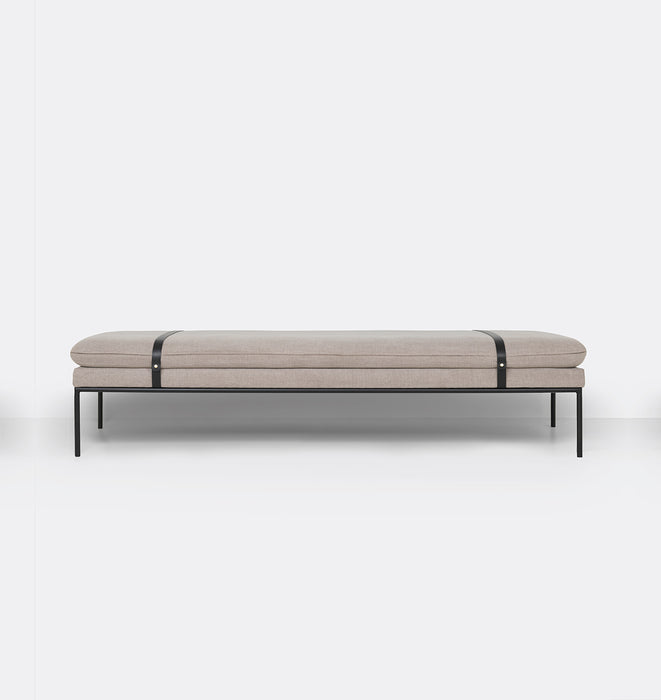
Daybed Turn
The strict horizontal lines, along with its slim, powder-coated metal legs, give this daybed a sleek, lightweight look. Equipped with two leather harness-style straps, a fresh, modern detail adds to the high-quality feel and keeps the cushion firmly in place. Flip the reversible two-tone cushion over to create an understated, classic statement or a bolder, more distinctive one, depending on your mood or personal style.
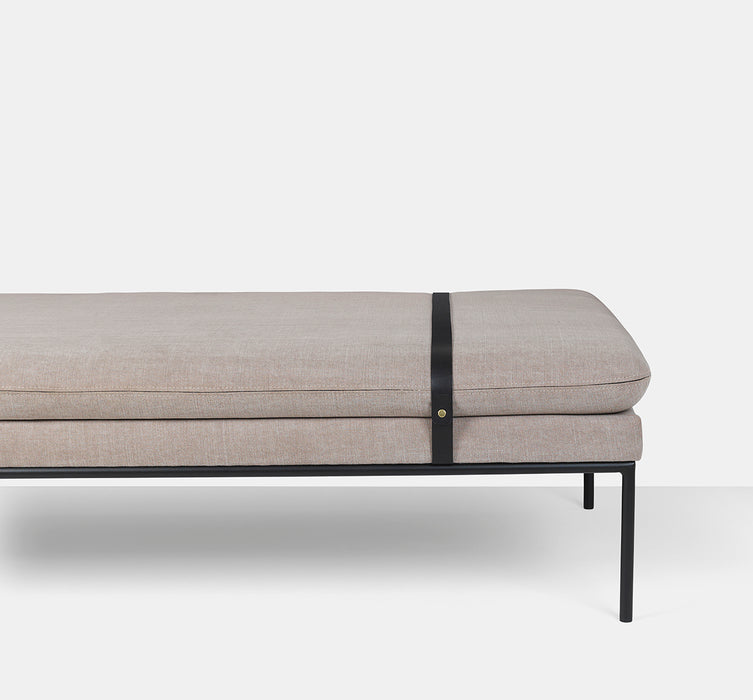
Daybed Turn
The strict horizontal lines, along with its slim, powder-coated metal legs, give this daybed a sleek, lightweight look. Equipped with two leather harness-style straps, a fresh, modern detail adds to the high-quality feel and keeps the cushion firmly in place. Flip the reversible two-tone cushion over to create an understated, classic statement or a bolder, more distinctive one, depending on your mood or personal style.
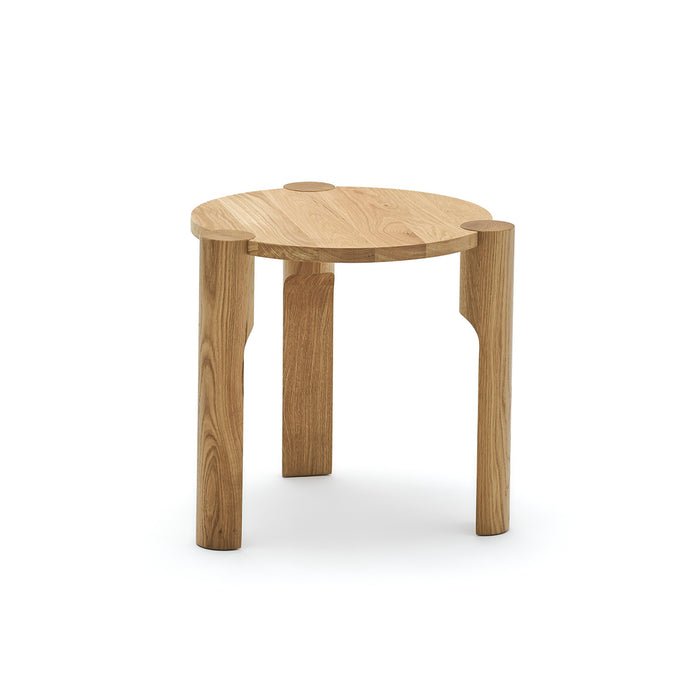

Domus 45 Side Table
The Domus collection is based on a statement by its creator: "It's a collection I would love to produce myself in a wood workshop because of its simplicity and robust shape." An exercise in simplicity, sobriety, and character, with two defining details: the cut of the leg and its connection to the tabletop. The collection of side and coffee tables is completed with stools in two heights.
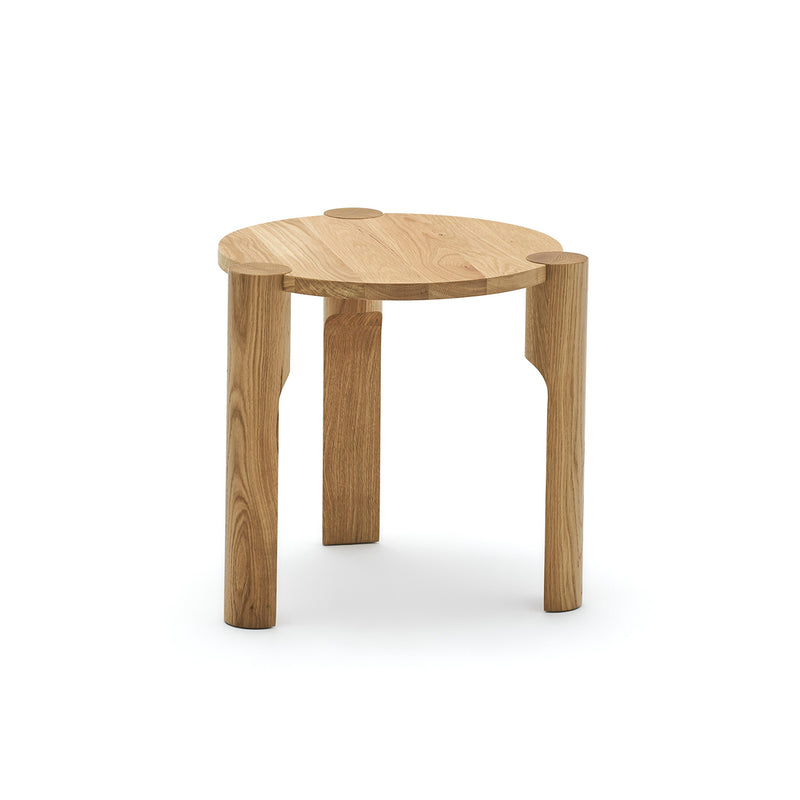
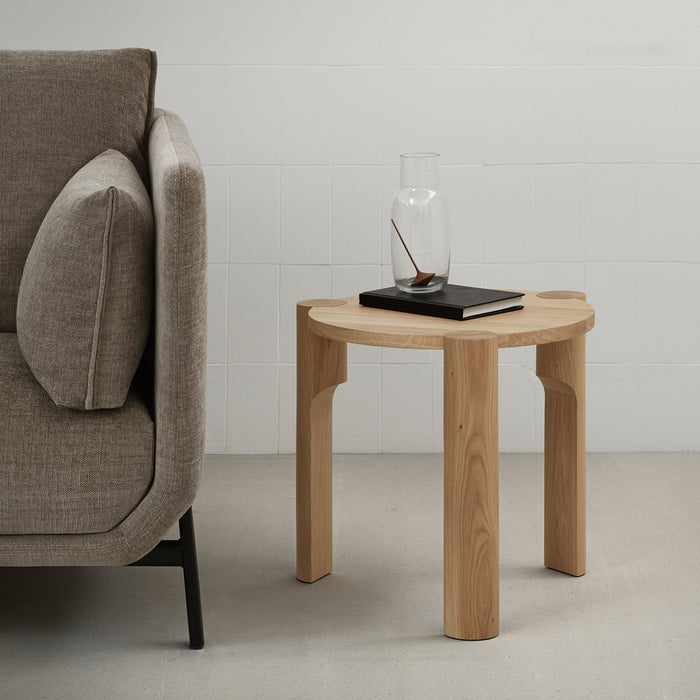
Domus 45 Side Table
The Domus collection is based on a statement by its creator: "It's a collection I would love to produce myself in a wood workshop because of its simplicity and robust shape." An exercise in simplicity, sobriety, and character, with two defining details: the cut of the leg and its connection to the tabletop. The collection of side and coffee tables is completed with stools in two heights.
Domus 45 Side Table
The Domus collection is based on a statement by its creator: "It's a collection I would love to produce myself in a wood workshop because of its simplicity and robust shape." An exercise in simplicity, sobriety, and character, with two defining details: the cut of the leg and its connection to the tabletop. The collection of side and coffee tables is completed with stools in two heights.
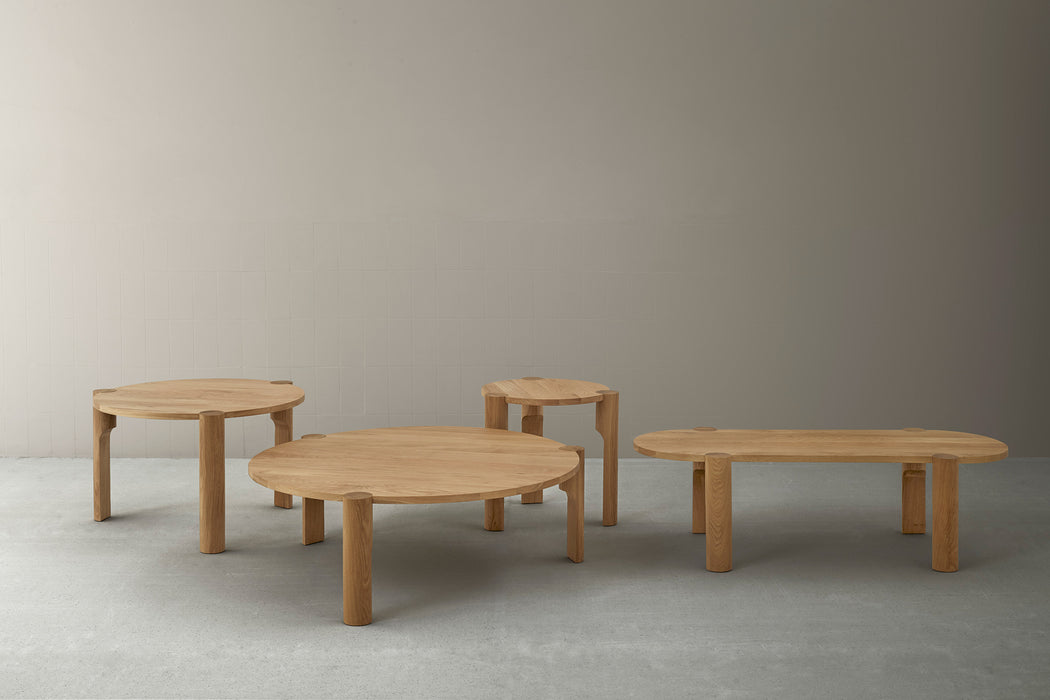
Domus 45 Side Table
The Domus collection is based on a statement by its creator: "It's a collection I would love to produce myself in a wood workshop because of its simplicity and robust shape." An exercise in simplicity, sobriety, and character, with two defining details: the cut of the leg and its connection to the tabletop. The collection of side and coffee tables is completed with stools in two heights.
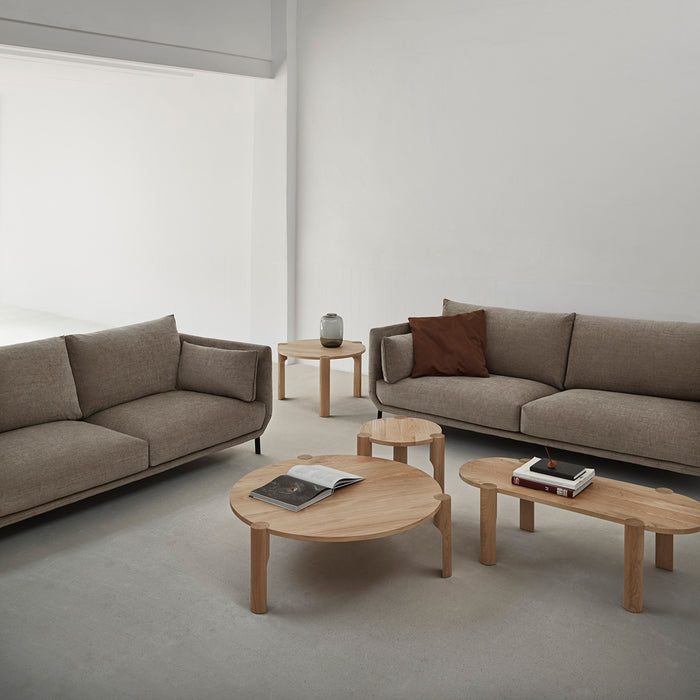
Domus 45 Side Table
The Domus collection is based on a statement by its creator: "It's a collection I would love to produce myself in a wood workshop because of its simplicity and robust shape." An exercise in simplicity, sobriety, and character, with two defining details: the cut of the leg and its connection to the tabletop. The collection of side and coffee tables is completed with stools in two heights.
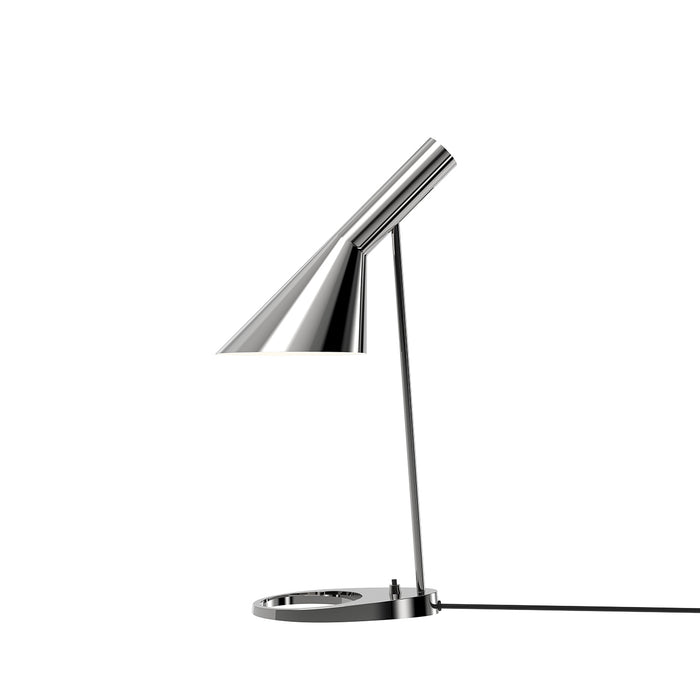
AJ table lamp
Arne Jacobsen designed the AJ lamp for the SAS Royal Hotel in Copenhagen (now the Radisson Collection) in 1957. Today, the AJ family is considered the design that made the Danish architect world-famous. In combination with the AJ Royal pendant light, the AJ lamp was part of Jacobsen's overall design concept for the hotel. Arne Jacobsen not only designed the hotel down to the smallest detail for SAS (Scandinavian Airlines), but also designed almost all of the hotel's furniture and other utilitarian objects.
The silhouette of the AJ lamp, with its straight lines and combination of oblique and right angles, is seen not only as a formal parallel to the silhouette of the Series 3300 seating, but also to the very geometry of the buildings. The AJ lamp, in copper and stainless steel, was used in various areas of the hotel. Like the AJ pendant lamp, it was initially available in light gray, dark brown, and black. New colors have been introduced over the years in honor of the series' anniversaries. All versions of the AJ lamp have been reintroduced in their original stainless steel version, which reflects its surroundings in true Arne Jacobsen style and underlines the lamp's distinctive, minimalist form and impeccable light emission.
*This product is usually in stock and delivers within 3 to 5 days. Occasionally, some versions may require a delivery time of several weeks. If this is the case, we will notify you immediately.
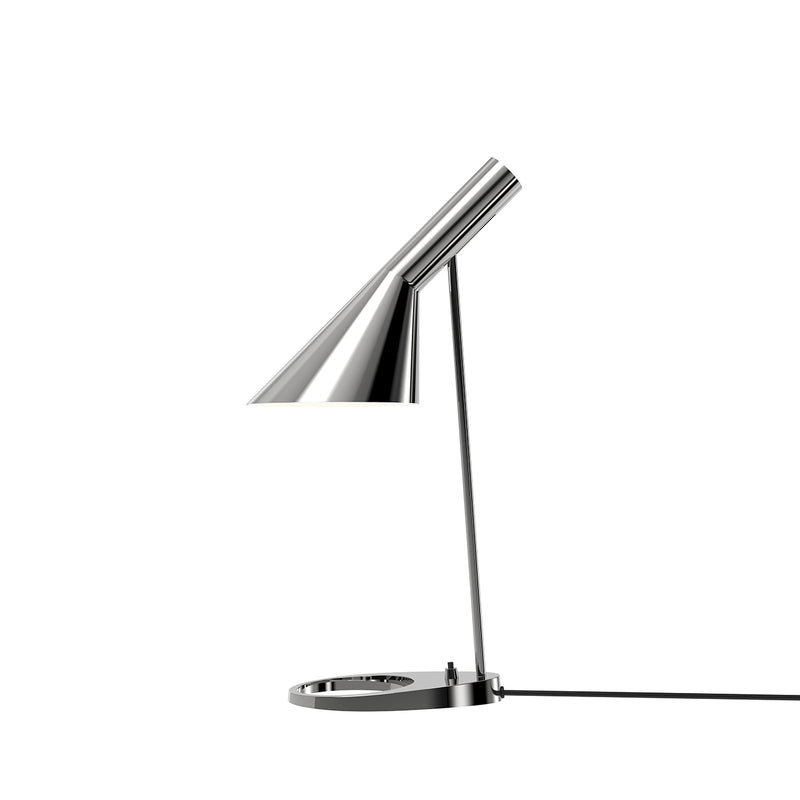
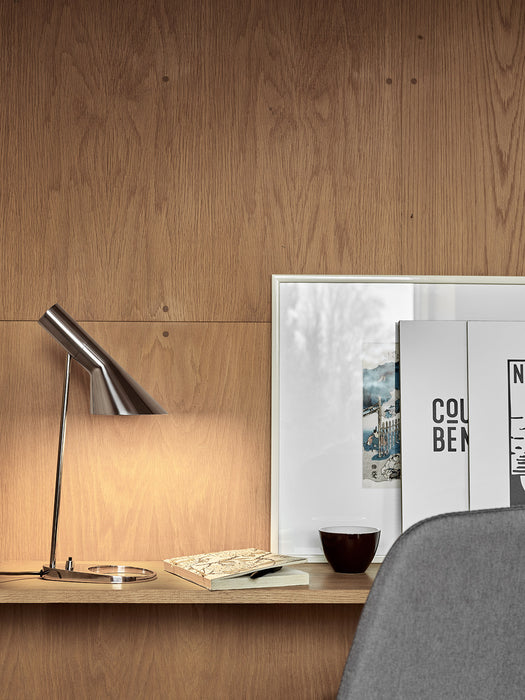
AJ table lamp
Arne Jacobsen designed the AJ lamp for the SAS Royal Hotel in Copenhagen (now the Radisson Collection) in 1957. Today, the AJ family is considered the design that made the Danish architect world-famous. In combination with the AJ Royal pendant light, the AJ lamp was part of Jacobsen's overall design concept for the hotel. Arne Jacobsen not only designed the hotel down to the smallest detail for SAS (Scandinavian Airlines), but also designed almost all of the hotel's furniture and other utilitarian objects.
The silhouette of the AJ lamp, with its straight lines and combination of oblique and right angles, is seen not only as a formal parallel to the silhouette of the Series 3300 seating, but also to the very geometry of the buildings. The AJ lamp, in copper and stainless steel, was used in various areas of the hotel. Like the AJ pendant lamp, it was initially available in light gray, dark brown, and black. New colors have been introduced over the years in honor of the series' anniversaries. All versions of the AJ lamp have been reintroduced in their original stainless steel version, which reflects its surroundings in true Arne Jacobsen style and underlines the lamp's distinctive, minimalist form and impeccable light emission.
*This product is usually in stock and delivers within 3 to 5 days. Occasionally, some versions may require a delivery time of several weeks. If this is the case, we will notify you immediately.
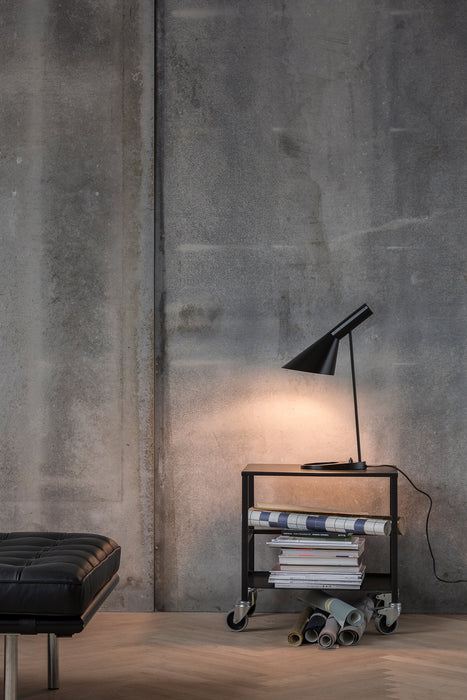
AJ table lamp
Arne Jacobsen designed the AJ lamp for the SAS Royal Hotel in Copenhagen (now the Radisson Collection) in 1957. Today, the AJ family is considered the design that made the Danish architect world-famous. In combination with the AJ Royal pendant light, the AJ lamp was part of Jacobsen's overall design concept for the hotel. Arne Jacobsen not only designed the hotel down to the smallest detail for SAS (Scandinavian Airlines), but also designed almost all of the hotel's furniture and other utilitarian objects.
The silhouette of the AJ lamp, with its straight lines and combination of oblique and right angles, is seen not only as a formal parallel to the silhouette of the Series 3300 seating, but also to the very geometry of the buildings. The AJ lamp, in copper and stainless steel, was used in various areas of the hotel. Like the AJ pendant lamp, it was initially available in light gray, dark brown, and black. New colors have been introduced over the years in honor of the series' anniversaries. All versions of the AJ lamp have been reintroduced in their original stainless steel version, which reflects its surroundings in true Arne Jacobsen style and underlines the lamp's distinctive, minimalist form and impeccable light emission.
*This product is usually in stock and delivers within 3 to 5 days. Occasionally, some versions may require a delivery time of several weeks. If this is the case, we will notify you immediately.
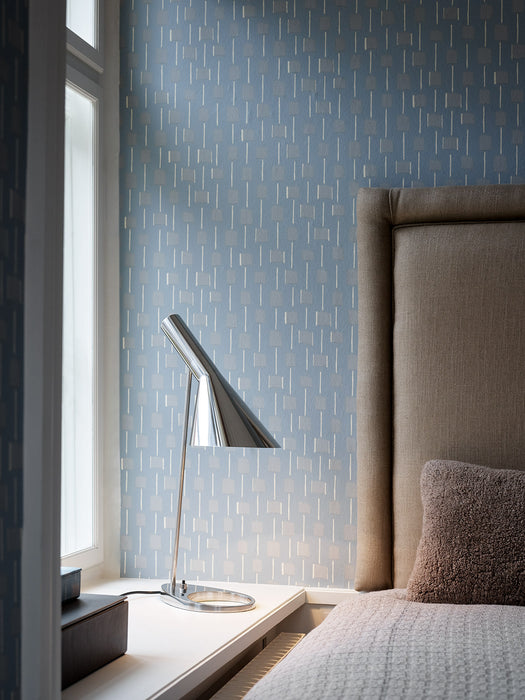
AJ table lamp
Arne Jacobsen designed the AJ lamp for the SAS Royal Hotel in Copenhagen (now the Radisson Collection) in 1957. Today, the AJ family is considered the design that made the Danish architect world-famous. In combination with the AJ Royal pendant light, the AJ lamp was part of Jacobsen's overall design concept for the hotel. Arne Jacobsen not only designed the hotel down to the smallest detail for SAS (Scandinavian Airlines), but also designed almost all of the hotel's furniture and other utilitarian objects.
The silhouette of the AJ lamp, with its straight lines and combination of oblique and right angles, is seen not only as a formal parallel to the silhouette of the Series 3300 seating, but also to the very geometry of the buildings. The AJ lamp, in copper and stainless steel, was used in various areas of the hotel. Like the AJ pendant lamp, it was initially available in light gray, dark brown, and black. New colors have been introduced over the years in honor of the series' anniversaries. All versions of the AJ lamp have been reintroduced in their original stainless steel version, which reflects its surroundings in true Arne Jacobsen style and underlines the lamp's distinctive, minimalist form and impeccable light emission.
*This product is usually in stock and delivers within 3 to 5 days. Occasionally, some versions may require a delivery time of several weeks. If this is the case, we will notify you immediately.
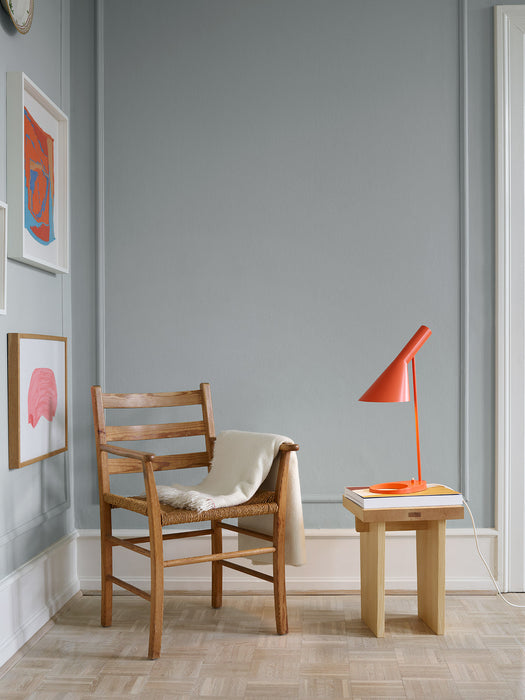
AJ table lamp
Arne Jacobsen designed the AJ lamp for the SAS Royal Hotel in Copenhagen (now the Radisson Collection) in 1957. Today, the AJ family is considered the design that made the Danish architect world-famous. In combination with the AJ Royal pendant light, the AJ lamp was part of Jacobsen's overall design concept for the hotel. Arne Jacobsen not only designed the hotel down to the smallest detail for SAS (Scandinavian Airlines), but also designed almost all of the hotel's furniture and other utilitarian objects.
The silhouette of the AJ lamp, with its straight lines and combination of oblique and right angles, is seen not only as a formal parallel to the silhouette of the Series 3300 seating, but also to the very geometry of the buildings. The AJ lamp, in copper and stainless steel, was used in various areas of the hotel. Like the AJ pendant lamp, it was initially available in light gray, dark brown, and black. New colors have been introduced over the years in honor of the series' anniversaries. All versions of the AJ lamp have been reintroduced in their original stainless steel version, which reflects its surroundings in true Arne Jacobsen style and underlines the lamp's distinctive, minimalist form and impeccable light emission.
*This product is usually in stock and delivers within 3 to 5 days. Occasionally, some versions may require a delivery time of several weeks. If this is the case, we will notify you immediately.
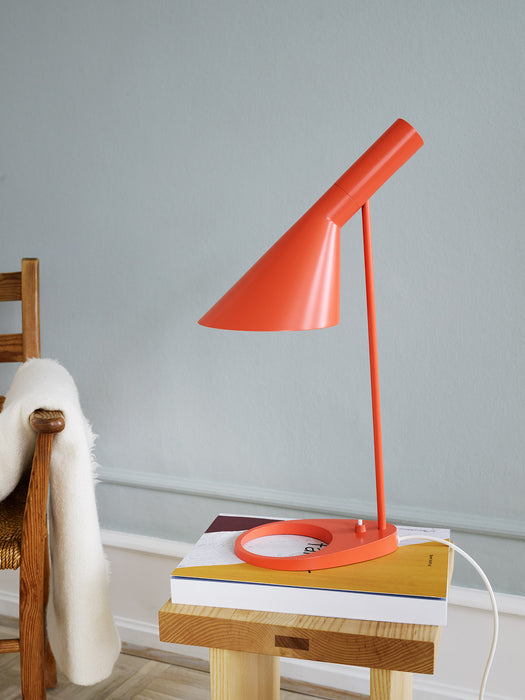
AJ table lamp
Arne Jacobsen designed the AJ lamp for the SAS Royal Hotel in Copenhagen (now the Radisson Collection) in 1957. Today, the AJ family is considered the design that made the Danish architect world-famous. In combination with the AJ Royal pendant light, the AJ lamp was part of Jacobsen's overall design concept for the hotel. Arne Jacobsen not only designed the hotel down to the smallest detail for SAS (Scandinavian Airlines), but also designed almost all of the hotel's furniture and other utilitarian objects.
The silhouette of the AJ lamp, with its straight lines and combination of oblique and right angles, is seen not only as a formal parallel to the silhouette of the Series 3300 seating, but also to the very geometry of the buildings. The AJ lamp, in copper and stainless steel, was used in various areas of the hotel. Like the AJ pendant lamp, it was initially available in light gray, dark brown, and black. New colors have been introduced over the years in honor of the series' anniversaries. All versions of the AJ lamp have been reintroduced in their original stainless steel version, which reflects its surroundings in true Arne Jacobsen style and underlines the lamp's distinctive, minimalist form and impeccable light emission.
*This product is usually in stock and delivers within 3 to 5 days. Occasionally, some versions may require a delivery time of several weeks. If this is the case, we will notify you immediately.
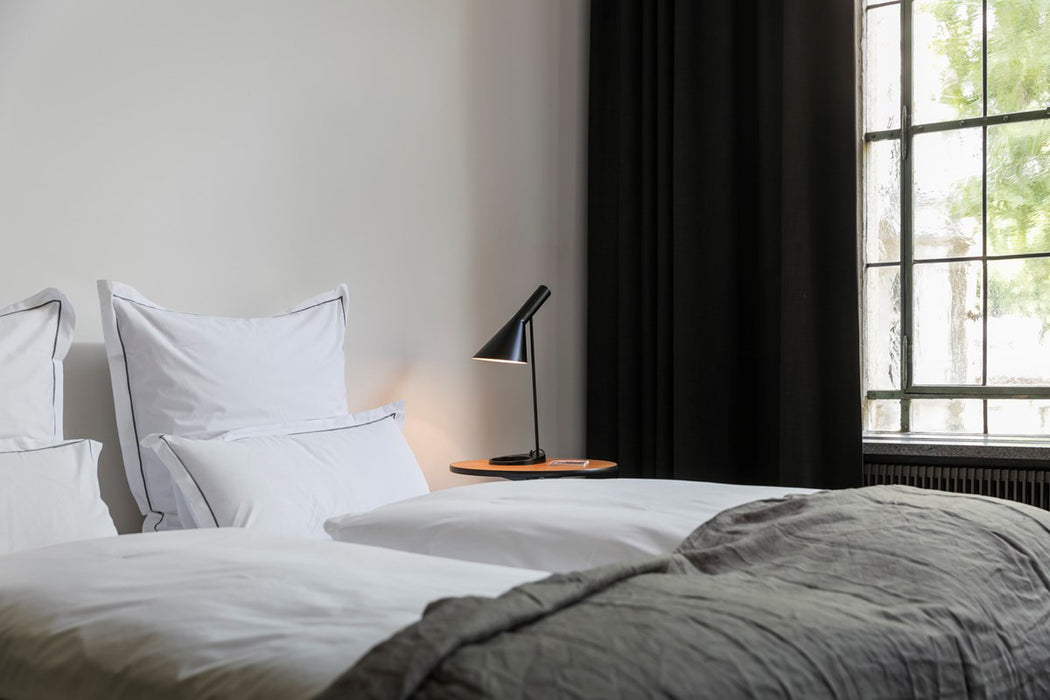
AJ table lamp
Arne Jacobsen designed the AJ lamp for the SAS Royal Hotel in Copenhagen (now the Radisson Collection) in 1957. Today, the AJ family is considered the design that made the Danish architect world-famous. In combination with the AJ Royal pendant light, the AJ lamp was part of Jacobsen's overall design concept for the hotel. Arne Jacobsen not only designed the hotel down to the smallest detail for SAS (Scandinavian Airlines), but also designed almost all of the hotel's furniture and other utilitarian objects.
The silhouette of the AJ lamp, with its straight lines and combination of oblique and right angles, is seen not only as a formal parallel to the silhouette of the Series 3300 seating, but also to the very geometry of the buildings. The AJ lamp, in copper and stainless steel, was used in various areas of the hotel. Like the AJ pendant lamp, it was initially available in light gray, dark brown, and black. New colors have been introduced over the years in honor of the series' anniversaries. All versions of the AJ lamp have been reintroduced in their original stainless steel version, which reflects its surroundings in true Arne Jacobsen style and underlines the lamp's distinctive, minimalist form and impeccable light emission.
*This product is usually in stock and delivers within 3 to 5 days. Occasionally, some versions may require a delivery time of several weeks. If this is the case, we will notify you immediately.
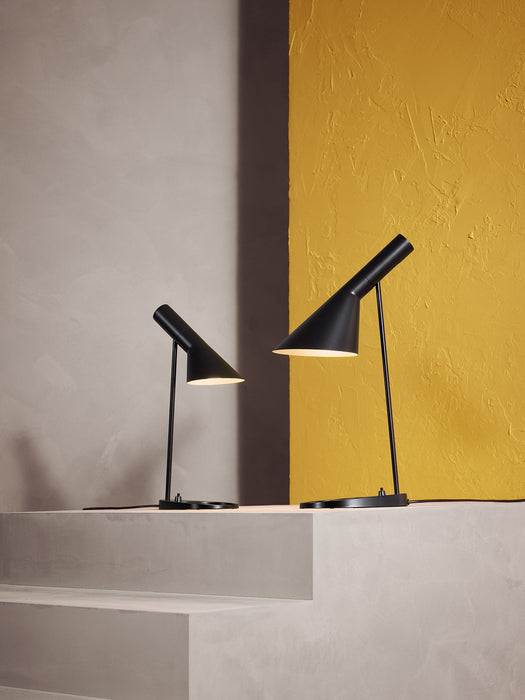
AJ table lamp
Arne Jacobsen designed the AJ lamp for the SAS Royal Hotel in Copenhagen (now the Radisson Collection) in 1957. Today, the AJ family is considered the design that made the Danish architect world-famous. In combination with the AJ Royal pendant light, the AJ lamp was part of Jacobsen's overall design concept for the hotel. Arne Jacobsen not only designed the hotel down to the smallest detail for SAS (Scandinavian Airlines), but also designed almost all of the hotel's furniture and other utilitarian objects.
The silhouette of the AJ lamp, with its straight lines and combination of oblique and right angles, is seen not only as a formal parallel to the silhouette of the Series 3300 seating, but also to the very geometry of the buildings. The AJ lamp, in copper and stainless steel, was used in various areas of the hotel. Like the AJ pendant lamp, it was initially available in light gray, dark brown, and black. New colors have been introduced over the years in honor of the series' anniversaries. All versions of the AJ lamp have been reintroduced in their original stainless steel version, which reflects its surroundings in true Arne Jacobsen style and underlines the lamp's distinctive, minimalist form and impeccable light emission.
*This product is usually in stock and delivers within 3 to 5 days. Occasionally, some versions may require a delivery time of several weeks. If this is the case, we will notify you immediately.
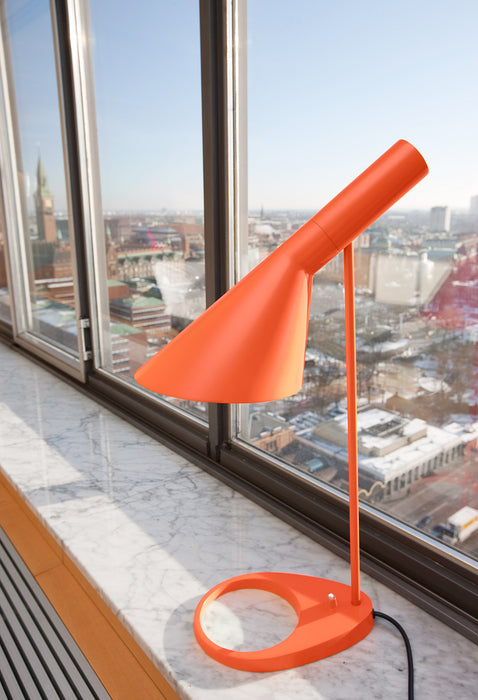
AJ table lamp
Arne Jacobsen designed the AJ lamp for the SAS Royal Hotel in Copenhagen (now the Radisson Collection) in 1957. Today, the AJ family is considered the design that made the Danish architect world-famous. In combination with the AJ Royal pendant light, the AJ lamp was part of Jacobsen's overall design concept for the hotel. Arne Jacobsen not only designed the hotel down to the smallest detail for SAS (Scandinavian Airlines), but also designed almost all of the hotel's furniture and other utilitarian objects.
The silhouette of the AJ lamp, with its straight lines and combination of oblique and right angles, is seen not only as a formal parallel to the silhouette of the Series 3300 seating, but also to the very geometry of the buildings. The AJ lamp, in copper and stainless steel, was used in various areas of the hotel. Like the AJ pendant lamp, it was initially available in light gray, dark brown, and black. New colors have been introduced over the years in honor of the series' anniversaries. All versions of the AJ lamp have been reintroduced in their original stainless steel version, which reflects its surroundings in true Arne Jacobsen style and underlines the lamp's distinctive, minimalist form and impeccable light emission.
*This product is usually in stock and delivers within 3 to 5 days. Occasionally, some versions may require a delivery time of several weeks. If this is the case, we will notify you immediately.
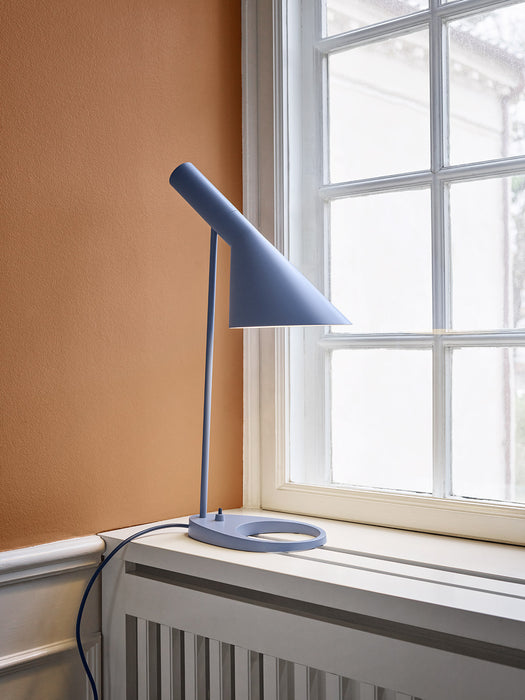
AJ table lamp
Arne Jacobsen designed the AJ lamp for the SAS Royal Hotel in Copenhagen (now the Radisson Collection) in 1957. Today, the AJ family is considered the design that made the Danish architect world-famous. In combination with the AJ Royal pendant light, the AJ lamp was part of Jacobsen's overall design concept for the hotel. Arne Jacobsen not only designed the hotel down to the smallest detail for SAS (Scandinavian Airlines), but also designed almost all of the hotel's furniture and other utilitarian objects.
The silhouette of the AJ lamp, with its straight lines and combination of oblique and right angles, is seen not only as a formal parallel to the silhouette of the Series 3300 seating, but also to the very geometry of the buildings. The AJ lamp, in copper and stainless steel, was used in various areas of the hotel. Like the AJ pendant lamp, it was initially available in light gray, dark brown, and black. New colors have been introduced over the years in honor of the series' anniversaries. All versions of the AJ lamp have been reintroduced in their original stainless steel version, which reflects its surroundings in true Arne Jacobsen style and underlines the lamp's distinctive, minimalist form and impeccable light emission.
*This product is usually in stock and delivers within 3 to 5 days. Occasionally, some versions may require a delivery time of several weeks. If this is the case, we will notify you immediately.
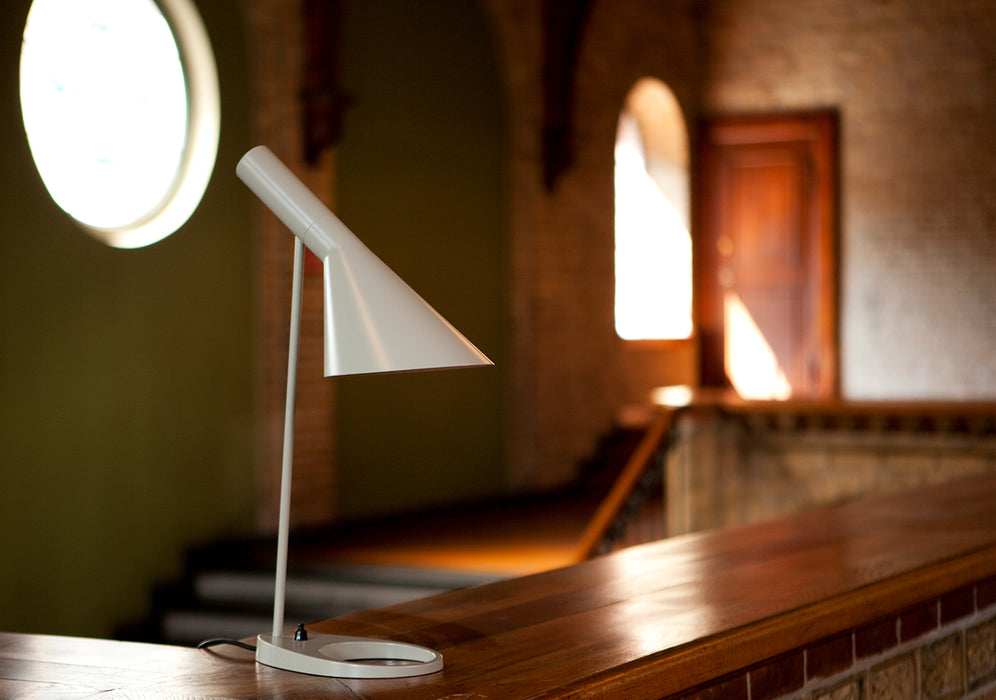
AJ table lamp
Arne Jacobsen designed the AJ lamp for the SAS Royal Hotel in Copenhagen (now the Radisson Collection) in 1957. Today, the AJ family is considered the design that made the Danish architect world-famous. In combination with the AJ Royal pendant light, the AJ lamp was part of Jacobsen's overall design concept for the hotel. Arne Jacobsen not only designed the hotel down to the smallest detail for SAS (Scandinavian Airlines), but also designed almost all of the hotel's furniture and other utilitarian objects.
The silhouette of the AJ lamp, with its straight lines and combination of oblique and right angles, is seen not only as a formal parallel to the silhouette of the Series 3300 seating, but also to the very geometry of the buildings. The AJ lamp, in copper and stainless steel, was used in various areas of the hotel. Like the AJ pendant lamp, it was initially available in light gray, dark brown, and black. New colors have been introduced over the years in honor of the series' anniversaries. All versions of the AJ lamp have been reintroduced in their original stainless steel version, which reflects its surroundings in true Arne Jacobsen style and underlines the lamp's distinctive, minimalist form and impeccable light emission.
*This product is usually in stock and delivers within 3 to 5 days. Occasionally, some versions may require a delivery time of several weeks. If this is the case, we will notify you immediately.
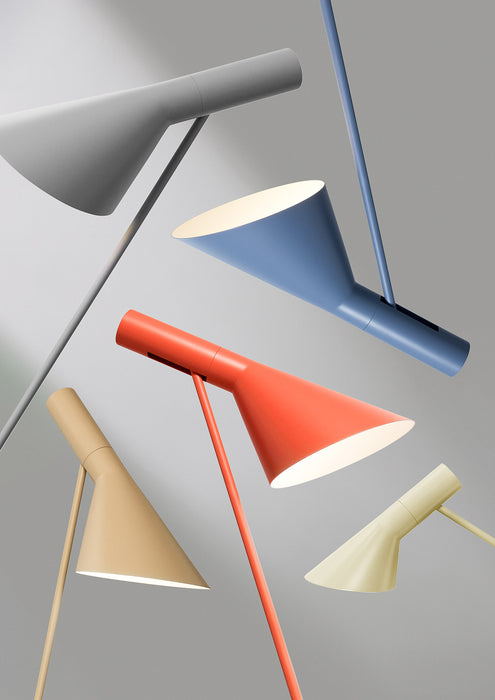
AJ table lamp
Arne Jacobsen designed the AJ lamp for the SAS Royal Hotel in Copenhagen (now the Radisson Collection) in 1957. Today, the AJ family is considered the design that made the Danish architect world-famous. In combination with the AJ Royal pendant light, the AJ lamp was part of Jacobsen's overall design concept for the hotel. Arne Jacobsen not only designed the hotel down to the smallest detail for SAS (Scandinavian Airlines), but also designed almost all of the hotel's furniture and other utilitarian objects.
The silhouette of the AJ lamp, with its straight lines and combination of oblique and right angles, is seen not only as a formal parallel to the silhouette of the Series 3300 seating, but also to the very geometry of the buildings. The AJ lamp, in copper and stainless steel, was used in various areas of the hotel. Like the AJ pendant lamp, it was initially available in light gray, dark brown, and black. New colors have been introduced over the years in honor of the series' anniversaries. All versions of the AJ lamp have been reintroduced in their original stainless steel version, which reflects its surroundings in true Arne Jacobsen style and underlines the lamp's distinctive, minimalist form and impeccable light emission.
*This product is usually in stock and delivers within 3 to 5 days. Occasionally, some versions may require a delivery time of several weeks. If this is the case, we will notify you immediately.
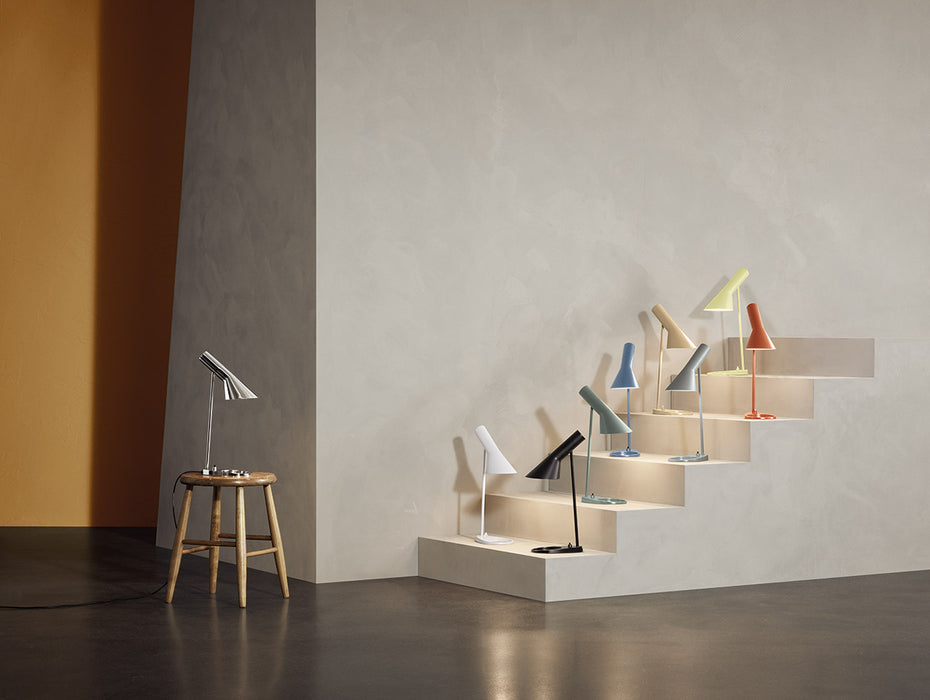
AJ table lamp
Arne Jacobsen designed the AJ lamp for the SAS Royal Hotel in Copenhagen (now the Radisson Collection) in 1957. Today, the AJ family is considered the design that made the Danish architect world-famous. In combination with the AJ Royal pendant light, the AJ lamp was part of Jacobsen's overall design concept for the hotel. Arne Jacobsen not only designed the hotel down to the smallest detail for SAS (Scandinavian Airlines), but also designed almost all of the hotel's furniture and other utilitarian objects.
The silhouette of the AJ lamp, with its straight lines and combination of oblique and right angles, is seen not only as a formal parallel to the silhouette of the Series 3300 seating, but also to the very geometry of the buildings. The AJ lamp, in copper and stainless steel, was used in various areas of the hotel. Like the AJ pendant lamp, it was initially available in light gray, dark brown, and black. New colors have been introduced over the years in honor of the series' anniversaries. All versions of the AJ lamp have been reintroduced in their original stainless steel version, which reflects its surroundings in true Arne Jacobsen style and underlines the lamp's distinctive, minimalist form and impeccable light emission.
*This product is usually in stock and delivers within 3 to 5 days. Occasionally, some versions may require a delivery time of several weeks. If this is the case, we will notify you immediately.
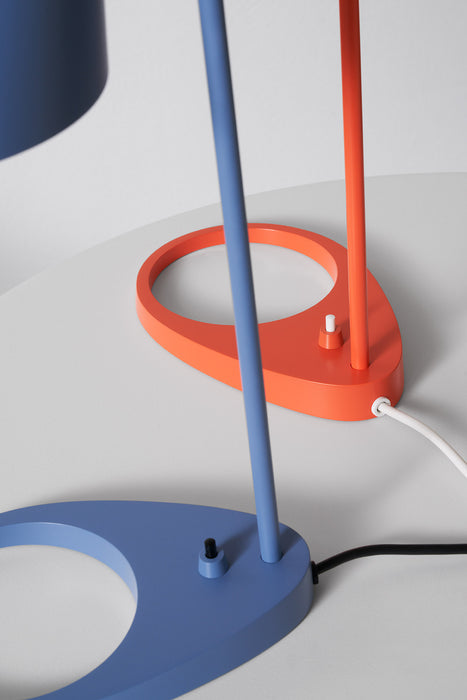
AJ table lamp
Arne Jacobsen designed the AJ lamp for the SAS Royal Hotel in Copenhagen (now the Radisson Collection) in 1957. Today, the AJ family is considered the design that made the Danish architect world-famous. In combination with the AJ Royal pendant light, the AJ lamp was part of Jacobsen's overall design concept for the hotel. Arne Jacobsen not only designed the hotel down to the smallest detail for SAS (Scandinavian Airlines), but also designed almost all of the hotel's furniture and other utilitarian objects.
The silhouette of the AJ lamp, with its straight lines and combination of oblique and right angles, is seen not only as a formal parallel to the silhouette of the Series 3300 seating, but also to the very geometry of the buildings. The AJ lamp, in copper and stainless steel, was used in various areas of the hotel. Like the AJ pendant lamp, it was initially available in light gray, dark brown, and black. New colors have been introduced over the years in honor of the series' anniversaries. All versions of the AJ lamp have been reintroduced in their original stainless steel version, which reflects its surroundings in true Arne Jacobsen style and underlines the lamp's distinctive, minimalist form and impeccable light emission.
*This product is usually in stock and delivers within 3 to 5 days. Occasionally, some versions may require a delivery time of several weeks. If this is the case, we will notify you immediately.
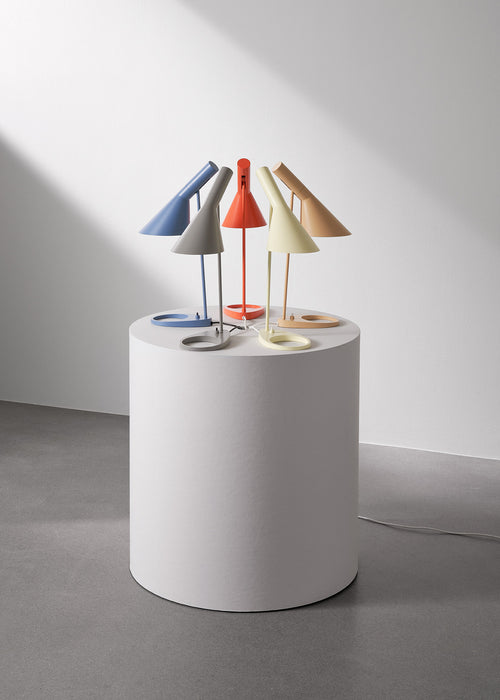
AJ table lamp
Arne Jacobsen designed the AJ lamp for the SAS Royal Hotel in Copenhagen (now the Radisson Collection) in 1957. Today, the AJ family is considered the design that made the Danish architect world-famous. In combination with the AJ Royal pendant light, the AJ lamp was part of Jacobsen's overall design concept for the hotel. Arne Jacobsen not only designed the hotel down to the smallest detail for SAS (Scandinavian Airlines), but also designed almost all of the hotel's furniture and other utilitarian objects.
The silhouette of the AJ lamp, with its straight lines and combination of oblique and right angles, is seen not only as a formal parallel to the silhouette of the Series 3300 seating, but also to the very geometry of the buildings. The AJ lamp, in copper and stainless steel, was used in various areas of the hotel. Like the AJ pendant lamp, it was initially available in light gray, dark brown, and black. New colors have been introduced over the years in honor of the series' anniversaries. All versions of the AJ lamp have been reintroduced in their original stainless steel version, which reflects its surroundings in true Arne Jacobsen style and underlines the lamp's distinctive, minimalist form and impeccable light emission.
*This product is usually in stock and delivers within 3 to 5 days. Occasionally, some versions may require a delivery time of several weeks. If this is the case, we will notify you immediately.
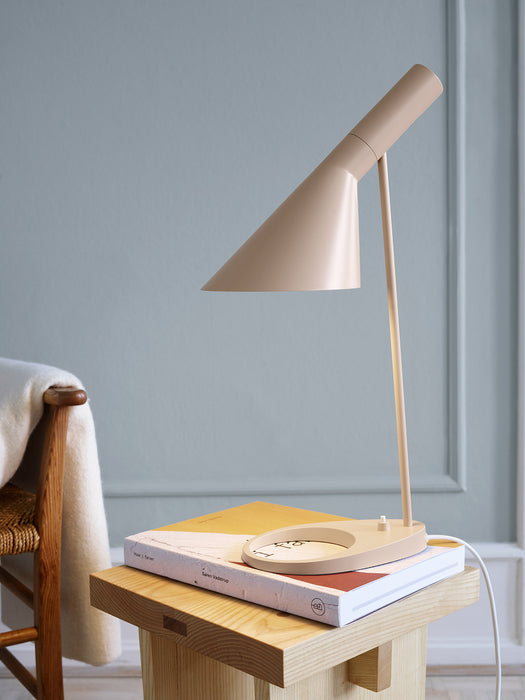
AJ table lamp
Arne Jacobsen designed the AJ lamp for the SAS Royal Hotel in Copenhagen (now the Radisson Collection) in 1957. Today, the AJ family is considered the design that made the Danish architect world-famous. In combination with the AJ Royal pendant light, the AJ lamp was part of Jacobsen's overall design concept for the hotel. Arne Jacobsen not only designed the hotel down to the smallest detail for SAS (Scandinavian Airlines), but also designed almost all of the hotel's furniture and other utilitarian objects.
The silhouette of the AJ lamp, with its straight lines and combination of oblique and right angles, is seen not only as a formal parallel to the silhouette of the Series 3300 seating, but also to the very geometry of the buildings. The AJ lamp, in copper and stainless steel, was used in various areas of the hotel. Like the AJ pendant lamp, it was initially available in light gray, dark brown, and black. New colors have been introduced over the years in honor of the series' anniversaries. All versions of the AJ lamp have been reintroduced in their original stainless steel version, which reflects its surroundings in true Arne Jacobsen style and underlines the lamp's distinctive, minimalist form and impeccable light emission.
*This product is usually in stock and delivers within 3 to 5 days. Occasionally, some versions may require a delivery time of several weeks. If this is the case, we will notify you immediately.
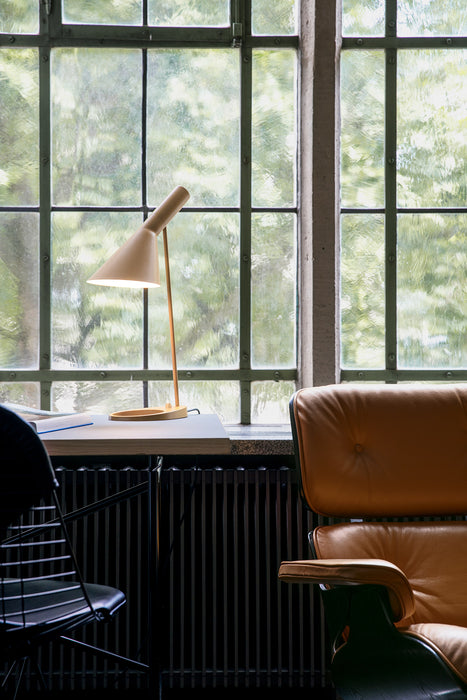
AJ table lamp
Arne Jacobsen designed the AJ lamp for the SAS Royal Hotel in Copenhagen (now the Radisson Collection) in 1957. Today, the AJ family is considered the design that made the Danish architect world-famous. In combination with the AJ Royal pendant light, the AJ lamp was part of Jacobsen's overall design concept for the hotel. Arne Jacobsen not only designed the hotel down to the smallest detail for SAS (Scandinavian Airlines), but also designed almost all of the hotel's furniture and other utilitarian objects.
The silhouette of the AJ lamp, with its straight lines and combination of oblique and right angles, is seen not only as a formal parallel to the silhouette of the Series 3300 seating, but also to the very geometry of the buildings. The AJ lamp, in copper and stainless steel, was used in various areas of the hotel. Like the AJ pendant lamp, it was initially available in light gray, dark brown, and black. New colors have been introduced over the years in honor of the series' anniversaries. All versions of the AJ lamp have been reintroduced in their original stainless steel version, which reflects its surroundings in true Arne Jacobsen style and underlines the lamp's distinctive, minimalist form and impeccable light emission.
*This product is usually in stock and delivers within 3 to 5 days. Occasionally, some versions may require a delivery time of several weeks. If this is the case, we will notify you immediately.

